Climate policy, biodiversity and the communities living with both.
Isabella Costa · São Paulo
Profile
A wider perspective.
Isabella Costa is a São Paulo-based correspondent covering environmental developments, climate policy and social issues across South America. Her reporting focuses on the relationship between economic growth, environmental protection and the communities affected by major development decisions.
She has a particular interest in the Amazon region, biodiversity, deforestation, renewable energy and the international debates surrounding climate change, along with the political and economic decisions shaping environmental policy across the continent.
At NewNWS, Isabella covers environmental stories with international significance, examining both the challenges and the opportunities emerging across South America.
Union and industry groups urged Senate approval of a gas reservation scheme while the Resources Minister said the constitution requires a separate market for Western Australia.
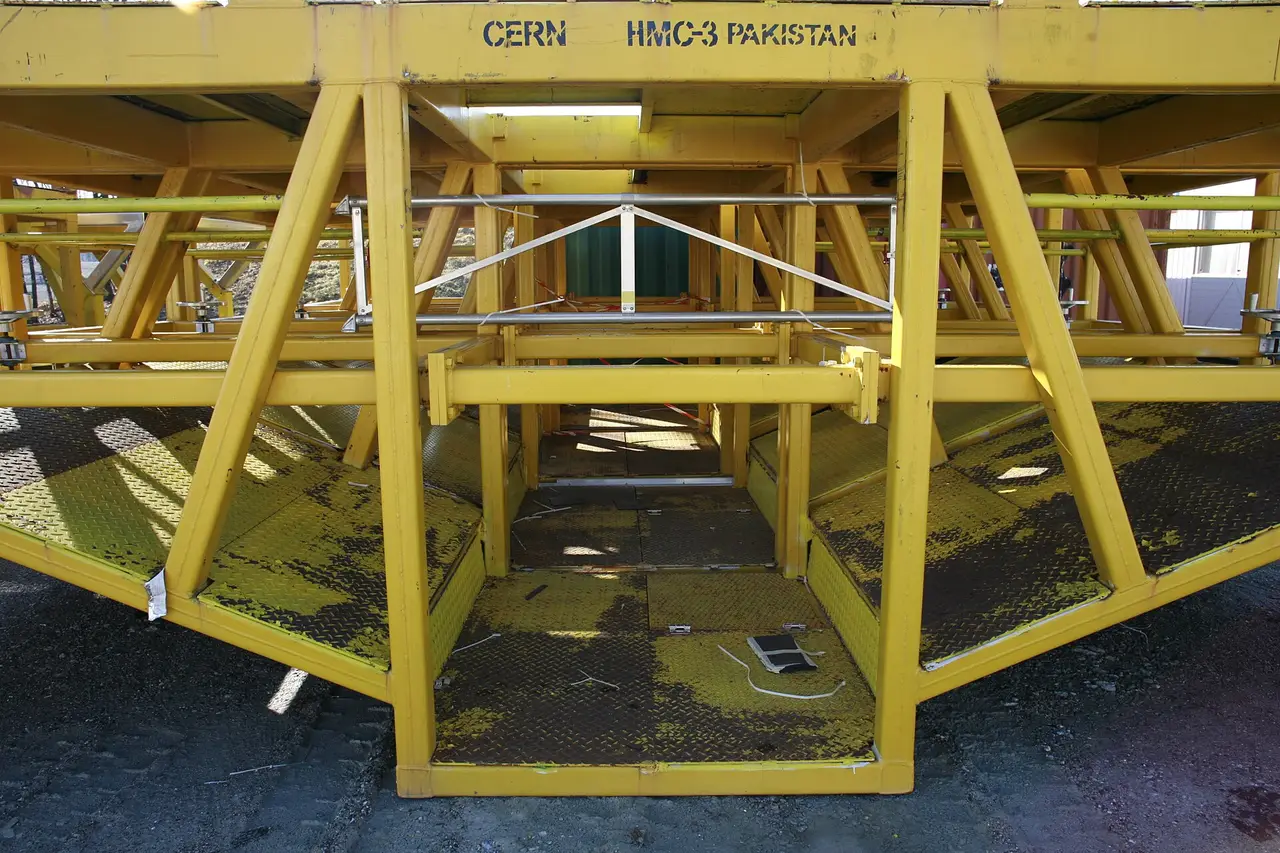
New underwater server facilities powered by offshore wind and cooled by seawater are drawing interest across China, though researchers caution that their ecological impacts require careful study.
Two fishermen pulled an unidentified Royal Caribbean employee from the Pacific Ocean about 20 miles offshore near Catalina Island; he was taken to hospital in stable condition while the Coast Guard opened an investigation.
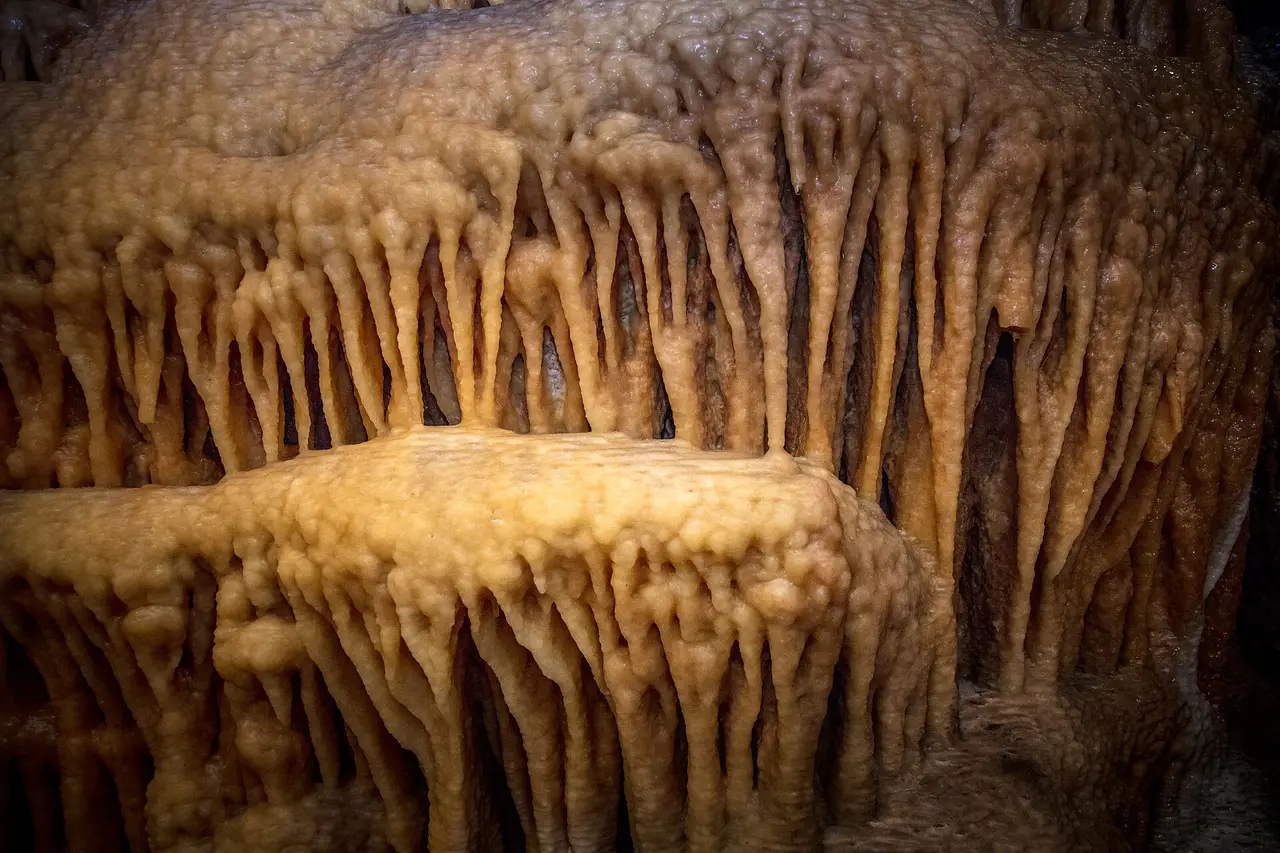
The historic limestone cave in Victoria's Lower Glenelg National Park is still inaccessible to visitors, with Parks Victoria targeting a late‑2027 reopening after further delays.
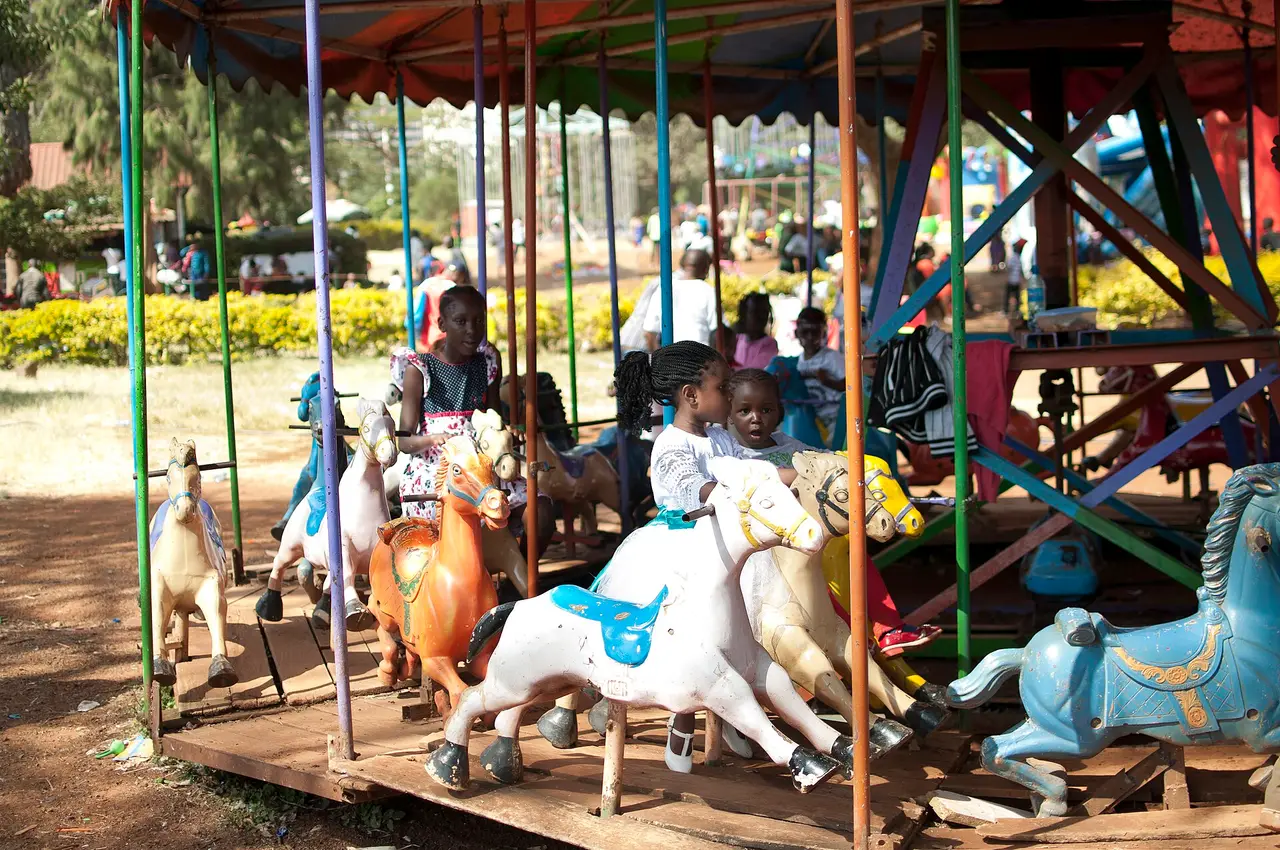
Judge in Mombasa sentenced Paul Mackenzie to a combined 200 years after a court found him guilty of murdering 190 children and one adult in the Shakahola forest tragedy.
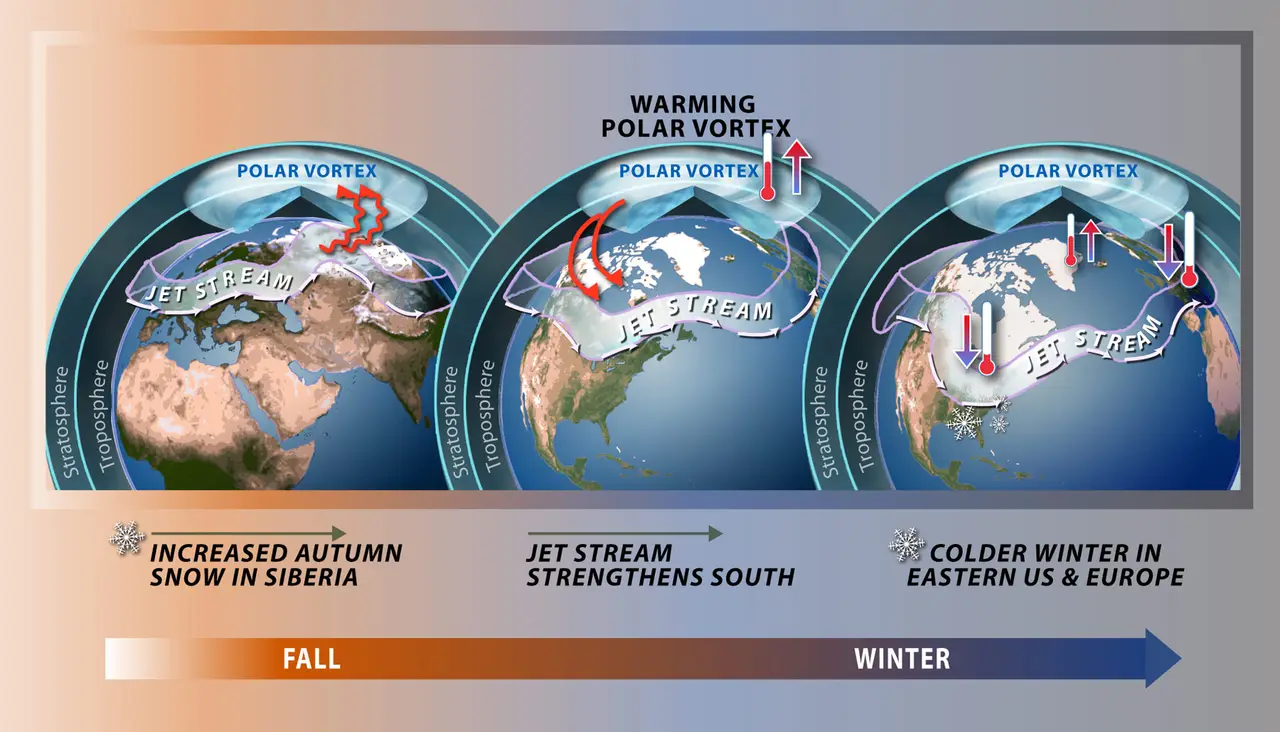
Forecasters report an unusually early disruption of the polar vortex high above the Arctic, creating uncertainty for winter weather patterns across North America and Europe.
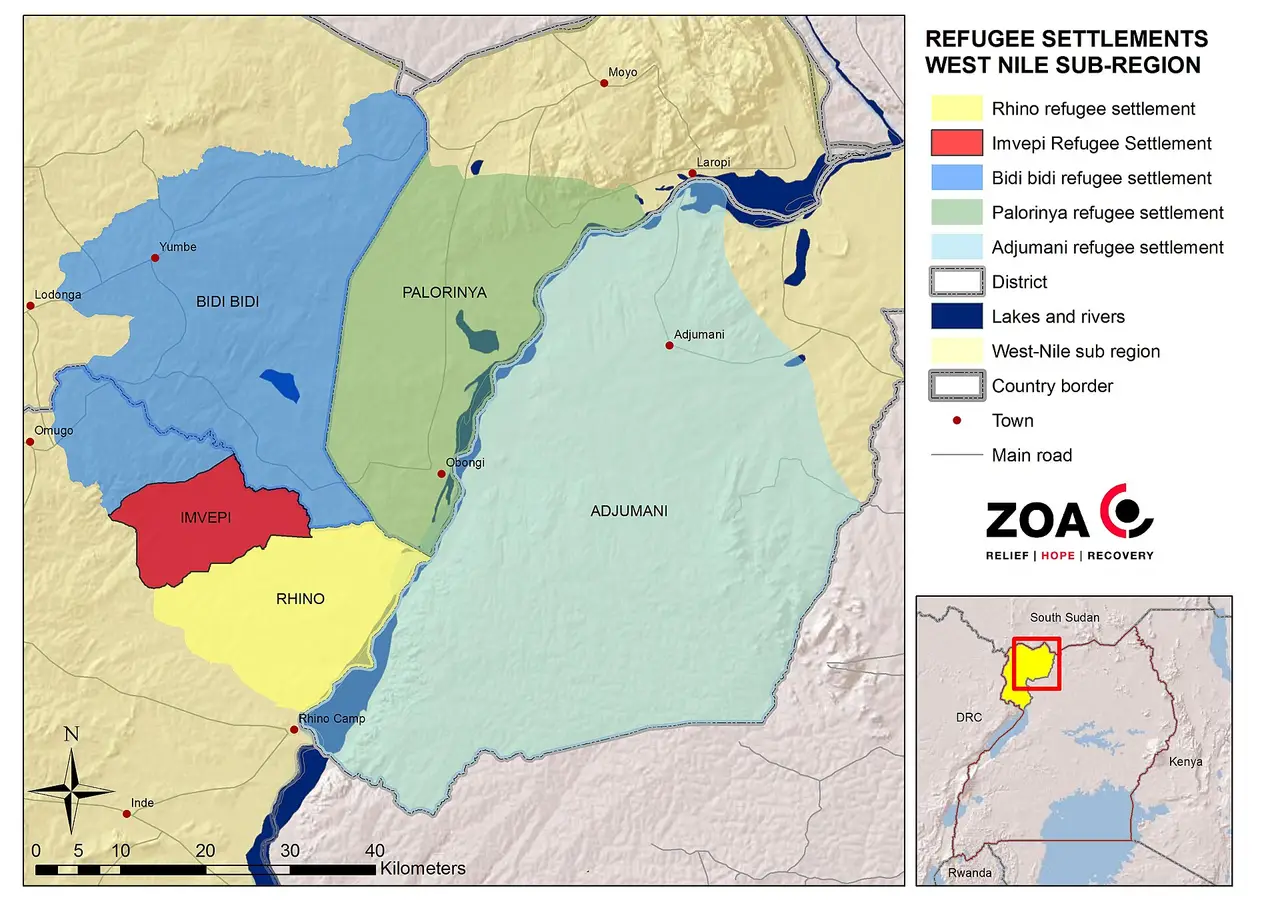
A UNHCR report released ahead of COP31 says nearly 90 million forcibly displaced people live in nations highly exposed to droughts, floods and extreme heat, and calls for stronger protection measures.
Delegates at the United Nations biodiversity conference in Yerevan concluded negotiations with a persistent financial gap, even as nations pursue targets to protect 30% of global land and oceans by the end of the decade.
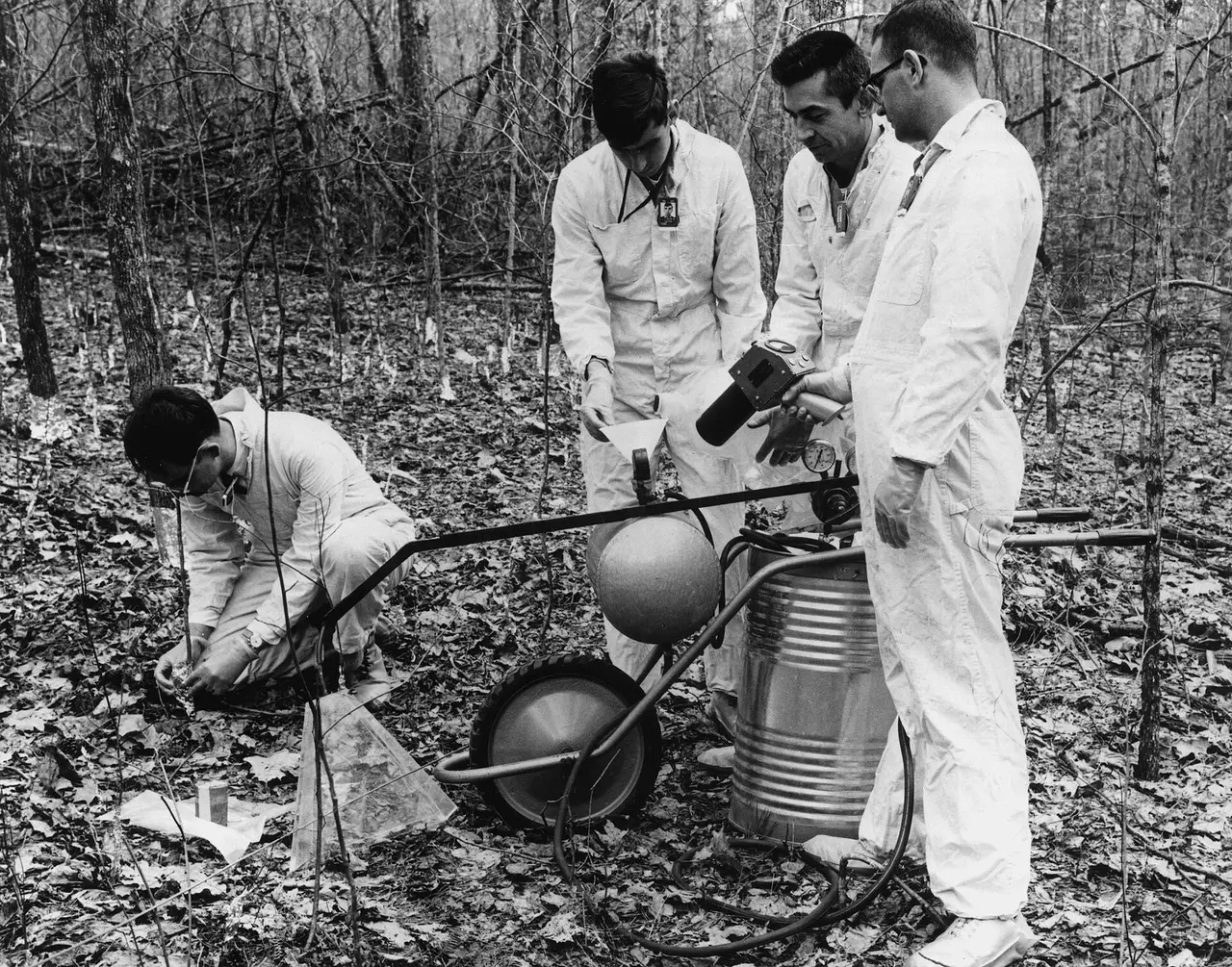
New research analyzing thousands of natural forest plots across the United States indicates that woodlands with a greater variety of tree species are better equipped to handle concurrent climate extremes such as heatwaves combined with drought.
Negotiations at the UN Convention on Biological Diversity focus on how biodiversity-rich countries and indigenous communities can share commercial benefits derived from digital genetic sequence information.