
Kenyan sect leader receives 200‑year prison term for mass starvation deaths
Judge in Mombasa sentenced Paul Mackenzie to a combined 200 years after a court found him guilty of murdering 190 children and one adult in the Shakahola forest tragedy.
Judge in Mombasa sentenced Paul Mackenzie to a combined 200 years after a court found him guilty of murdering 190 children and one adult in the Shakahola forest tragedy.
The story
A Kenyan court in the coastal city of Mombasa sentenced Paul Mackenzie, the founder of the Good News International church, to a total of 200 years in prison for the deaths of 190 children and one adult. The judgment, delivered on 6 November 2026, combines two 100‑year terms—one for murder by starvation and another for direct homicide.
Prosecutors described Mackenzie’s group as a doomsday sect that ordered members to starve themselves and their children in preparation for an apocalyptic event. Survivors testified that the leader threatened and beat victims to enforce compliance, and that bodies were later found in shallow graves and latrines throughout the Shakahola forest, a remote area near Kenya’s southeastern coast.
Investigators uncovered more than 400 bodies in the forest, though only 26 could be positively identified due to severe decomposition. The mass‑grave site, first discovered in 2023 after a police tip‑off, has become one of the deadliest cult‑related incidents in recent history. Mackenzie, a former taxi driver, had previously relocated his congregation to the forest after authorities shut down his church in 2019.
A closer look
During the trial, Mackenzie denied that he forced anyone to starve, claiming the deaths were voluntary. The court rejected this defence, noting evidence of coercion and the systematic nature of the killings. The verdict has reignited public debate in Kenya over regulatory oversight of religious organisations, especially those operating outside mainstream institutions.
The sentencing follows a broader investigation into how Mackenzie’s activities continued despite earlier police attention dating back to 2017. Kenyan officials have indicated that the case will prompt stricter monitoring of churches and other faith‑based groups to prevent similar tragedies.
Read the source reports and compare their framing:
Continue reading
World desk ↗
Strong Magnitude Earthquake Strikes Central Japan, Leaving Over 20 Injured
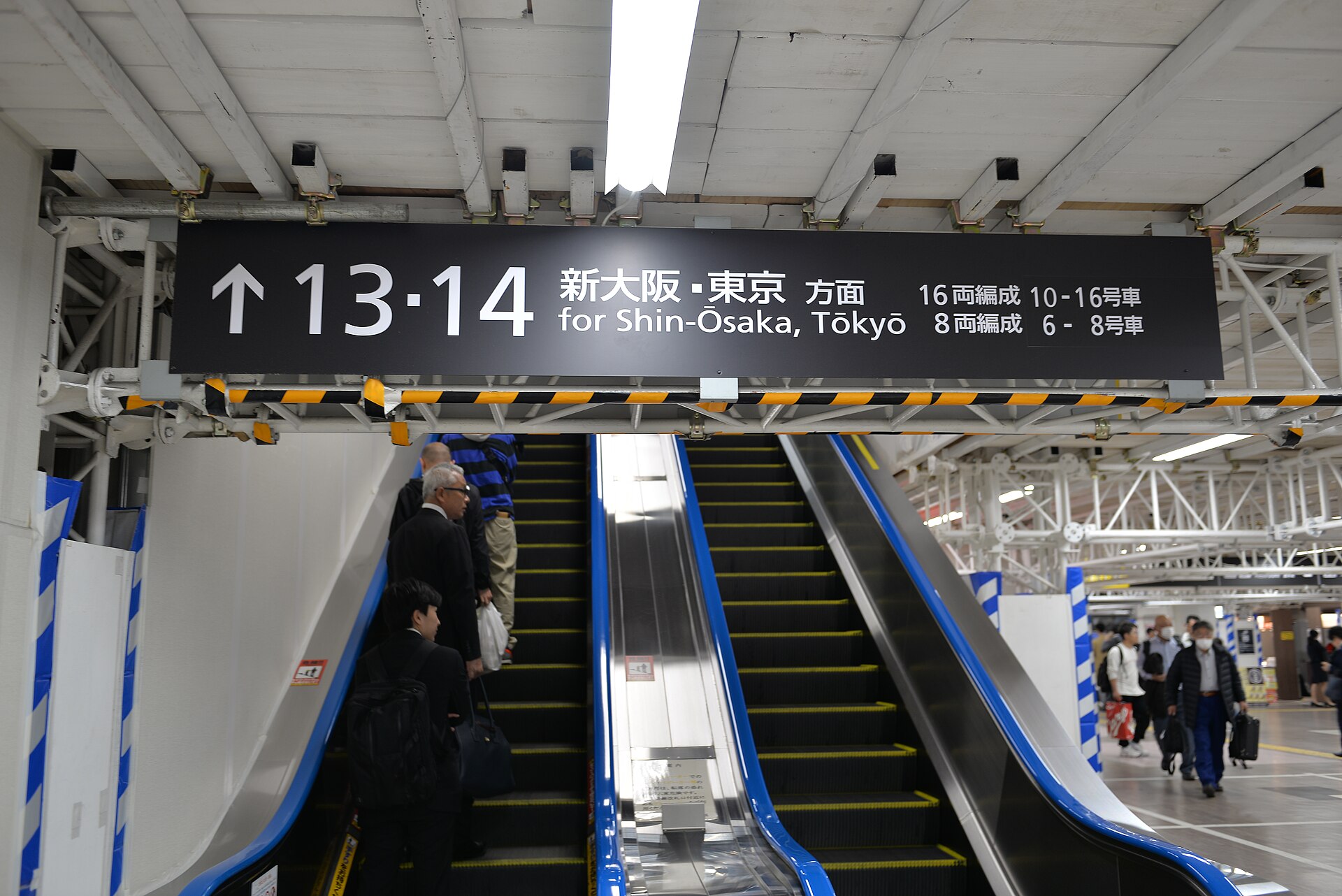
A magnitude-5.7 earthquake shook central Japan early Sunday, injuring at least 22 people, shattering windows, and prompting warnings from authorities for potential aftershocks over the coming week.
Strong Magnitude 5.7 Earthquake Shakes Central Japan, Leaving Over 20 Injured
A magnitude 5.7 earthquake struck central Japan's Shizuoka Prefecture, causing injuries, transport disruptions, and property damage while prompting warnings of potential aftershocks.

Pope Leo XIV Begins South American Tour in Uruguay Following Surgery
The 71-year-old pontiff has landed in Montevideo for the start of a 12-day journey across Uruguay, Argentina and Peru.