
Former Israeli Military Chief Tasked With Forming New Government Following Election
Opposition leader Gadi Eisenkot meets with President Isaac Herzog in Jerusalem to receive the mandate to build a governing coalition after securing 67 endorsements in the Knesset.

Opposition leader Gadi Eisenkot meets with President Isaac Herzog in Jerusalem to receive the mandate to build a governing coalition after securing 67 endorsements in the Knesset.
The story
Former Israeli military chief and Yashar party leader Gadi Eisenkot has been officially asked to form a new coalition government. According to reports from ABC News and France 24, Mr Eisenkot met with President Isaac Herzog in Jerusalem on Sunday to receive his formal invitation to begin coalition negotiations.
The mandate follows a round of consultations held by President Herzog with representatives from all political parties that secured seats in the recent election. Parties were asked to endorse either Mr Eisenkot or incumbent Prime Minister Benjamin Netanyahu, who lead the two largest parties in the incoming Knesset.
Anti-Netanyahu parties across the political spectrum, which included two Arab-Israeli or Palestinian-Israeli parties, provided Mr Eisenkot with a total of 67 endorsements in the 120-seat Knesset. Meanwhile, Mr Netanyahu secured 46 votes from most of his current coalition partners. An additional ultra-Orthodox party, United Torah Judaism, chose not to endorse either candidate despite having previously supported the incumbent prime minister for four years.
A closer look
Securing these initial endorsements places Mr Eisenkot in the primary position to attempt to form a government and succeed Mr Netanyahu. However, reports note that forming a functioning administration will require significant political manoeuvring and creative arithmetic.
Mr Eisenkot now has up to six weeks to conduct negotiations with potential coalition partners and secure a parliamentary majority. While mathematical paths exist, analysts point out that bridging long-standing policy differences and grievances among the diverse anti-Netanyahu bloc may present substantial challenges.
Read the source reports and compare their framing:
Continue reading
Defence desk ↗
Pope Leo XIV Arrives in Argentina for Historic Four-Day Tour Amid Economic Divisions
The pontiff has landed in Buenos Aires on his first visit to the late Pope Francis's homeland, touching down to public anticipation and political tensions surrounding President Javier Milei's economic policies.
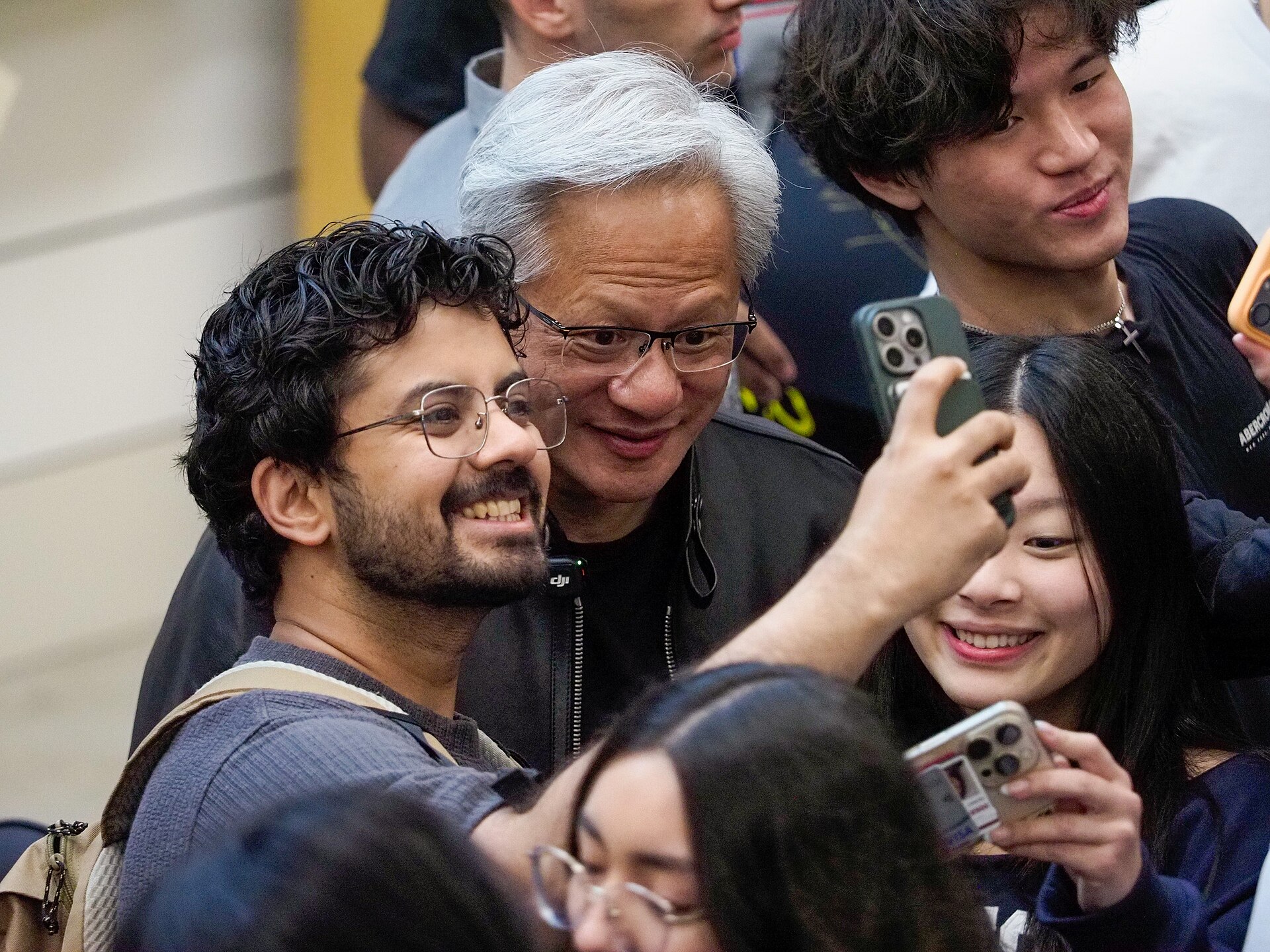
Nvidia Board Launches Probe After CEO Confirms Relationship With Subject of Espionage Inquiry
US chipmaker Nvidia has announced an independent investigation led by a committee of directors after Chief Executive Jensen Huang confirmed a personal relationship with a woman accused of acting as a Chinese intelligence asset.

Carlos Alcaraz Claims First Paris Masters Title with Straight-Sets Victory Over Ben Shelton
World number three Carlos Alcaraz defeated American Ben Shelton in straight sets on Sunday to secure his maiden Paris Masters crown and the ninth ATP 1000 title of his career.