
Strong Magnitude 5.7 Earthquake Shakes Central Japan, Leaving Over 20 Injured
A magnitude 5.7 earthquake struck central Japan's Shizuoka Prefecture, causing injuries, transport disruptions, and property damage while prompting warnings of potential aftershocks.
A magnitude 5.7 earthquake struck central Japan's Shizuoka Prefecture, causing injuries, transport disruptions, and property damage while prompting warnings of potential aftershocks.
The story
A magnitude 5.7 earthquake struck central Japan early Sunday, injuring more than 20 people and prompting authorities to issue warnings regarding potential strong aftershocks over the coming days. The seismic event occurred at 1:04 a.m. local time at a depth of approximately 40 kilometres in the western part of Shizuoka Prefecture, according to data from the Japan Meteorological Agency. No tsunami warning was generated following the tremor.
Local media and authorities reported that injuries occurred across Aichi and Shizuoka prefectures. Several individuals sustained injuries after falling on staircases while attempting to evacuate buildings. The shaking affected a broad region near Aichi Prefecture, encompassing the city of Hamamatsu, the historic capitals of Kyoto and Nara, as well as Yamanashi, home to Mount Fuji, and Gifu Prefecture. The tremor was not felt in Tokyo, which is situated a significant distance from the epicentre.
Japanese television broadcasts displayed property damage resulting from the quake, including shattered storefront windows and shards of glass strewn across roadways. Inside a local bookstore, shelves collapsed, leaving mounds of literature scattered across the floor. Emergency officials cautioned residents to remain vigilant for hazards such as mudslides, falling rocks, and potential weather-related impacts from rainfall in the affected zones.
Transportation networks experienced operational adjustments in the aftermath of the disaster.
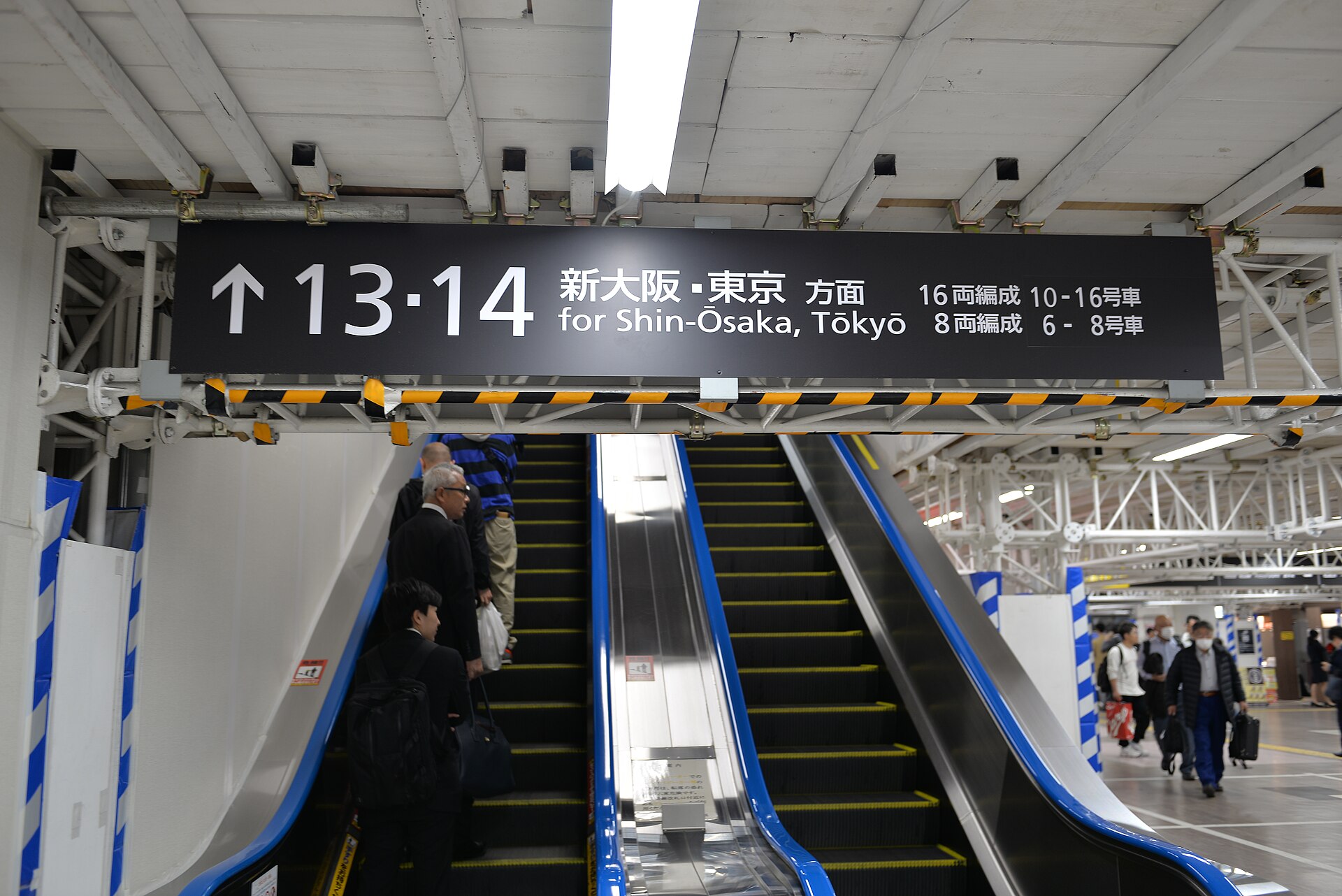
Transportation networks experienced operational adjustments in the aftermath of the disaster. Certain local train services were temporarily suspended, and Shinkansen bullet trains operated at reduced speeds as a safety precaution. According to rail operator JR Central, services along the Tokaido Shinkansen line connecting Tokyo and Osaka experienced delays between Shizuoka and Gifu-Hashima stations while mandatory safety checks were conducted.
Meteorological agency official Ayataka Ebita addressed reporters to advise the public to prepare for potential strong quakes over the next week, emphasizing particular caution during the initial two to three days. Officials also stated that no apparent changes had been detected thus far in the Nankai Trough, the underwater ocean trench where two major tectonic plates converge beneath sections of Japan.
This report presents the named publisher’s account and has not yet been independently corroborated.
Continue reading
World desk ↗
Kenyan sect leader receives 200‑year prison term for mass starvation deaths
Judge in Mombasa sentenced Paul Mackenzie to a combined 200 years after a court found him guilty of murdering 190 children and one adult in the Shakahola forest tragedy.

Pope Leo XIV Begins South American Tour in Uruguay Following Surgery
The 71-year-old pontiff has landed in Montevideo for the start of a 12-day journey across Uruguay, Argentina and Peru.
Thomas Markle Arrested by US Federal Agents and Charged With Child Sexual Abuse Material Possession
The 82-year-old father of the Duchess of Sussex was taken into custody near Tampa, Florida, following a federal criminal complaint.