
Rising AI‑driven component costs push entry‑level smartphone prices higher worldwide
Global memory‑chip shortages linked to AI data‑center demand have lifted the price of low‑cost phones, with India seeing the steepest increase at 21 percent.
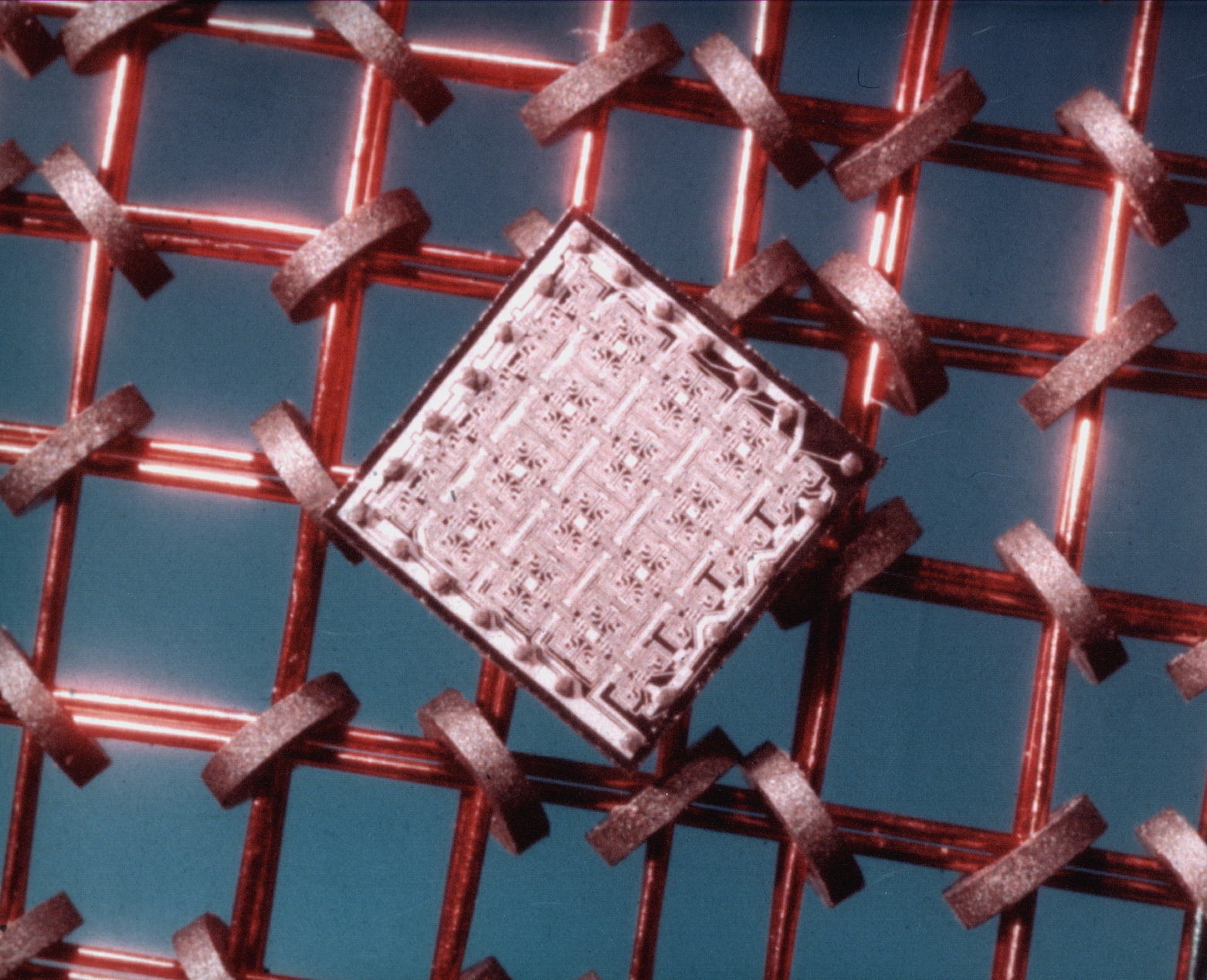
Global memory‑chip shortages linked to AI data‑center demand have lifted the price of low‑cost phones, with India seeing the steepest increase at 21 percent.
The story
A shortage of memory chips, driven by expanding AI data‑center infrastructure, is raising the manufacturing cost of smartphones, according to research cited by Rest of World. The price of existing phone models has risen about 15 percent globally this year, while newly launched devices are roughly 25 percent more expensive than a year ago.
Chinese manufacturers, which account for around 60 percent of global shipments and have traditionally focused on affordable, feature‑rich phones, are scaling back entry‑level projects. Senior analyst Ivan Lam of Counterpoint said the firms are shifting resources toward higher‑margin premium devices as component costs climb.
Regional price changes vary: India experienced a 21 percent rise, the Asia‑Pacific region 19 percent, and the Middle East and Africa 18 percent, while the United States saw a modest 5 percent increase. In India, Xiaomi’s 128 GB Redmi 15C rose from Rs 12,499 ($140) at launch to Rs 16,999 ($190) in June, a 36 percent jump.
A closer look
The trend could widen the digital divide, according to Claire Sibthorpe, head of digital inclusion at the GSMA’s nonprofit foundation. She warned that higher phone costs may hinder first‑time buyers from accessing the internet, undermining projections that 800 million more people will use mobile internet by 2030.
Research firm Omdia reported a 96 percent drop in sub‑$100 phone shipments from Oppo in Southeast Asia, and IDC’s Ramon Llamas said the memory‑chip shortage is unlikely to ease soon, suggesting that phones priced below $150 may shift to a $250‑$300 range.
This report presents the named publisher’s account and has not yet been independently corroborated.
Continue reading
Business desk ↗
Gunman Opens Fire in Krakow’s Main Market Square, Six Killed
A suspect with alleged far‑right links drove into the historic square, fired at people and a tram, and was shot by police after a three‑minute gunfight.

Therapeutic Goods Administration Approves Oral Weight-Loss Medication in Australia
Regulatory approval clears the way for an oral tablet version of Wegovy, providing a daily pill alternative to existing weekly injections.

Indigenous Language and Culture Featured on New Australian Coins
Artist Ryhia Dank has illustrated a new series of circulating $1 and $2 coins featuring native Australian animals and their traditional names in the Gudanji/Wakaja language.