
Study Shows Tree Species Diversity Helps U.S. Woodlands Withstand Compound Climate Extremes
New research analyzing thousands of natural forest plots across the United States indicates that woodlands with a greater variety of tree species are better equipped to handle concurrent climate extremes such as heatwaves combined with drought.
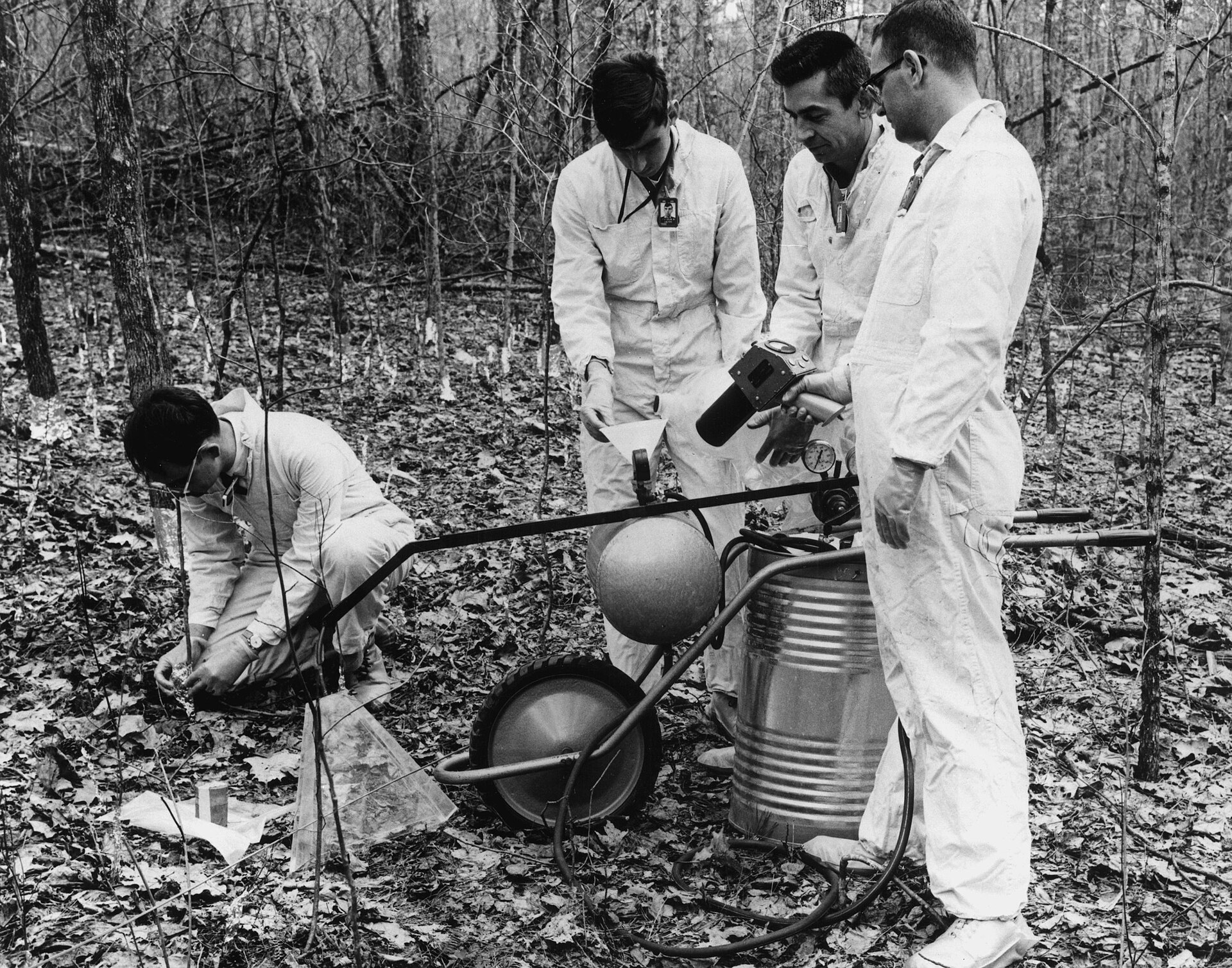
New research analyzing thousands of natural forest plots across the United States indicates that woodlands with a greater variety of tree species are better equipped to handle concurrent climate extremes such as heatwaves combined with drought.
The story
Global woodlands face escalating pressures due to climate change, prompting researchers to examine the composition of tree species within these ecosystems. A study published in July in Nature Communications investigated thousands of acres of woodlands across the United States to determine how varying levels of tree diversity influence forest resilience against compound climate extremes, which occur when phenomena like extreme heat coincide with droughts or unusually high rainfall.
While previous research suggested that species diversity strengthens forests, most prior studies relied on smaller scales or human-planted experimental plots. Lead author Xuetao Qiao, a postdoctoral researcher in ecology at Peking University in China, noted that researchers were initially uncertain if this positive relationship would be detectable within the complex systems of natural forests. Furthermore, previous studies primarily focused on single events rather than the intersecting extremes characteristic of a shifting climate.
To investigate these compound events, the research team utilized data from the U.S. Forest Inventory and Analysis program, which has cataloged species and measured trunk widths across continental U.S. forest plots since 1990. The study selected 88,116 forest plots lacking records of human disturbance or fire. Researchers then analyzed satellite data gathered during identified climate extremes to assess forest greenness, serving as an indicator of photosynthetic activity. Tree stress is frequently identified when photosynthesis slows or stops.
A closer look
The analysis evaluated plots based on resistance, comparing greenness during climate extremes to normal years, and recovery, measuring photosynthesis in the year following a disturbance. Findings indicated that compound climate extremes create greater stress than the cumulative effects of separate events, with heat and drought identified as the most taxing combination for forest resilience and recovery.
Conversely, the data demonstrated that forests with higher tree species diversity coped better with both single and coupled climate extremes, exhibiting faster recovery rates than less diverse forests. This protective effect was particularly pronounced during heat and drought conditions compared to heat and excess rainfall.
The study's authors emphasized that biodiversity is not the sole determinant of forest stability. Factors such as soil properties, elevation, tree age, and annual average temperatures also influence durability. Florian Schnabel, a forestry professor and chair of silviculture at the University of Freiburg in Belgium who was not involved in the study, stated that the findings provide an important contribution to the existing body of evidence regarding forest resilience.
This report presents the named publisher’s account and has not yet been independently corroborated.
Continue reading
Environment desk ↗
Five new mussel species reveal how much biodiversity US rivers still conceal
Five new mussel species have been discovered in US rivers, highlighting the vast biodiversity that still remains to be explored.

Man killed by falling tree as Storm Boelo leaves 160,000 properties without power
Storm Boelo brings severe weather to the UK, leaving 160,000 properties without power and causing a fatal accident.
Complex issues: how to get your apartment block off gas – before it’s too late
Electrifying apartment blocks can cut emissions and save money, but it requires cooperation from neighbours and the owners corporation.