
Cross-Border Haze From Indonesian Wildfires Frustrates Citizens in Malaysia and Singapore
Toxic smog originating from forest and peatland blazes in Indonesia has drifted across maritime Southeast Asia, triggering public frustration and diplomatic friction for neighbouring administrations.
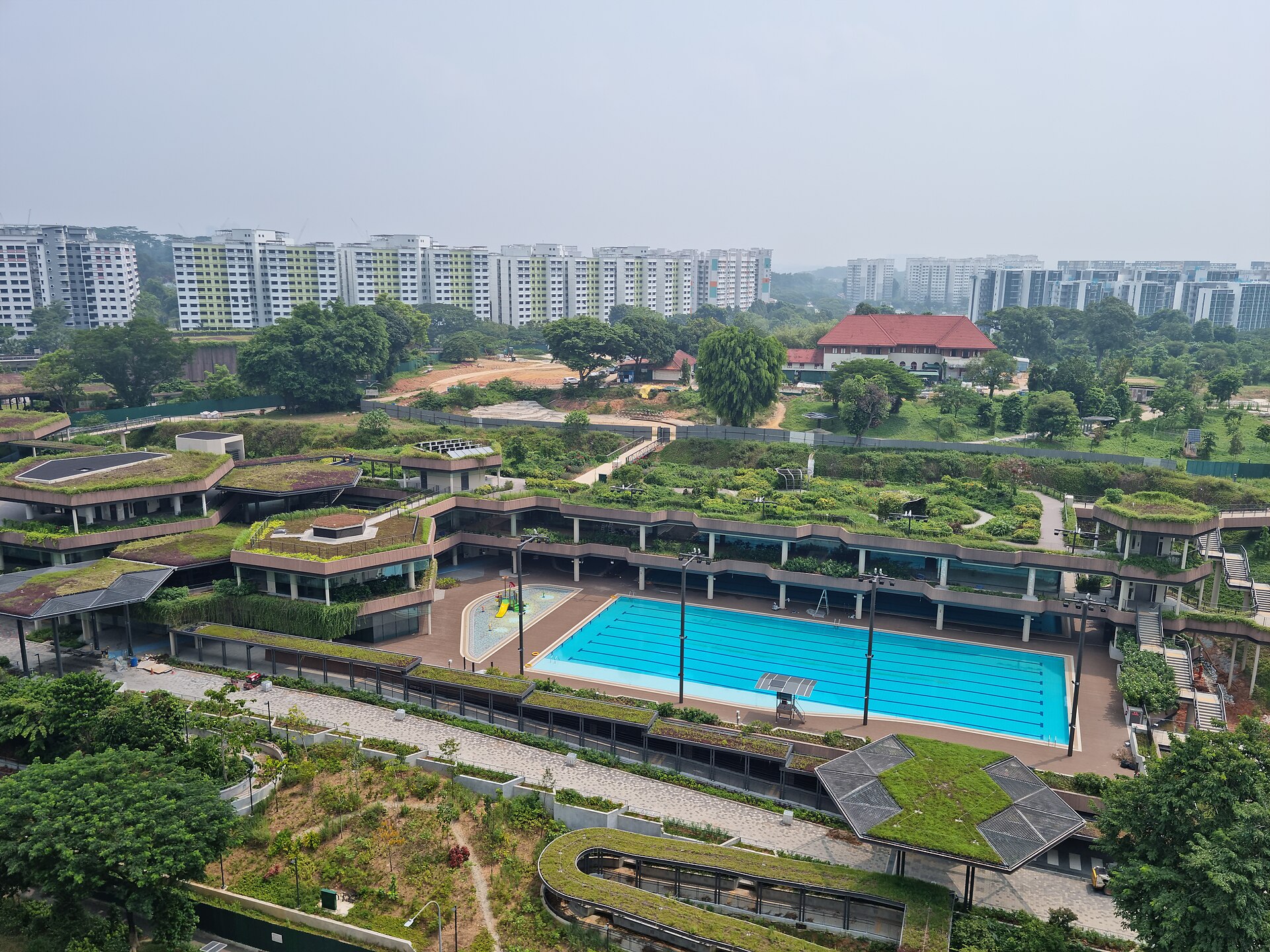
Toxic smog originating from forest and peatland blazes in Indonesia has drifted across maritime Southeast Asia, triggering public frustration and diplomatic friction for neighbouring administrations.
The story
Wildfires burning across the Indonesian regions of Kalimantan, Papua, and Sumatra have generated toxic smoke that drifted into Singapore and Malaysia. Carried by regional winds, the smog has impacted populations across maritime Southeast Asia in recent weeks, causing respiratory illnesses and headaches.
The recurring fires are widely linked to industrial-scale land clearing for crops such as oil palm. While blazes occur annually, conditions this year have proven particularly difficult to control due to a strong El Niño weather phenomenon. The climate pattern has worsened drought conditions across Indonesian forests and peatlands, causing the recent haze episodes to stretch into weeks rather than the typical duration of a few days.
The prolonged environmental impact has created political challenges for governments in neighbouring countries, balancing public frustration against the risk of straining diplomatic ties with Indonesia. Eugene Tan, an associate professor of law at Singapore Management University, told the BBC that citizens are fed up, angry, and anxious, forcing governments to respond to what has evolved from an external environmental concern into an internal political issue with potential for politicisation.
In Malaysia, public backlash led some locals to initiate a boycott of Indonesian products.
In Malaysia, public backlash led some locals to initiate a boycott of Indonesian products. The protest followed remarks from lawmaker Syed Saddiq, who advocated for sanctions against companies connected to the wildfires and suggested that Malaysians treat those entities as regional outcasts.
Meanwhile, citizens in Singapore have voiced complaints regarding the administration's handling of the prolonged smog. Tan noted that Singaporeans, accustomed to high administrative efficiency, expected authorities to take decisive action against polluters given advance warnings of a severe El Niño season.
In response to the crisis, Singapore's government established hundreds of haze shelters across the island and began distributing protective masks to children, the elderly, and other vulnerable residents to mitigate health impacts.
This report presents the named publisher’s account and has not yet been independently corroborated.
Continue reading
Politics desk ↗
Michigan Democratic Lawmaker Faces Intense Backlash After Endorsing Republican Senate Candidate
A last-minute endorsement by Democratic Representative Haley Stevens of Michigan Republican Senate candidate Mike Rogers has generated severe criticism from party leaders and prompted staff resignations.
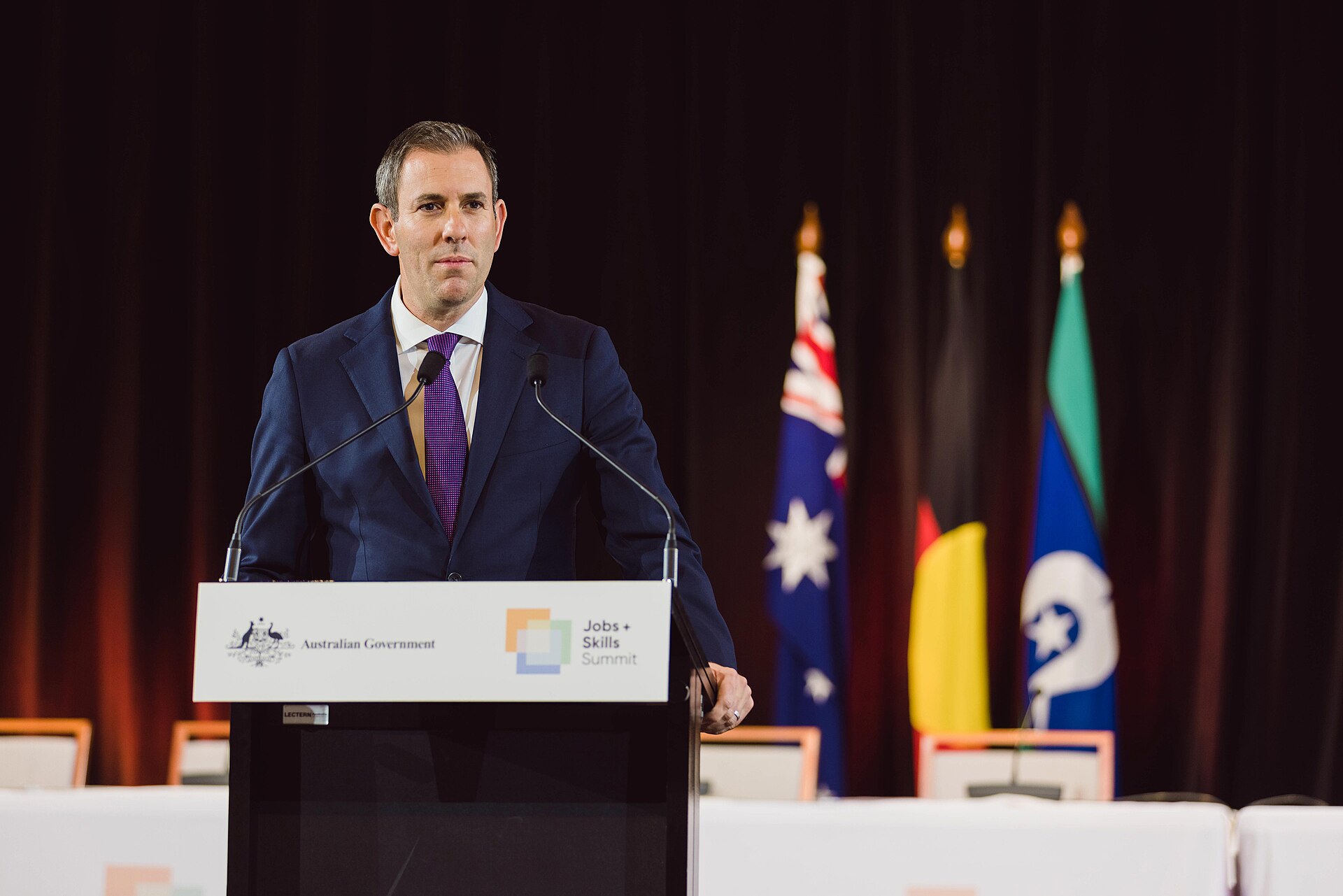
Cabinet Minister Defends Treasurer Following Disappointing Polling Results
Tanya Plibersek says voter backlash is expected for reforming treasurers as Jim Chalmers records a low approval rating in new polling.

Fifa Grants Council Members In-Person Access to Documents on Abandoned World Cup Plan
Football governing body to permit physical inspection of records in Zurich following demands from European officials.