
Five new mussel species reveal how much biodiversity US rivers still conceal
Five new mussel species have been discovered in US rivers, highlighting the vast biodiversity that still remains to be explored.

Five new mussel species have been discovered in US rivers, highlighting the vast biodiversity that still remains to be explored.
Researchers from Shedd Aquarium, Arkansas State University, and the U.S.
Researchers from Shedd Aquarium, Arkansas State University, and the U.S. Geological Survey (USGS) have identified five new species of freshwater mussels in rivers across the southern United States. The study, published in Zootaxa, reveals that each major river basin has its own unique genetic lineage, demonstrating the complexity of freshwater biodiversity in the region. The researchers used a combination of genetic analysis and shell morphology to identify the new species, which were found in rivers in Missouri, Arkansas, Mississippi, Alabama, Louisiana, and Texas.
The five new species of freshwater mussels include the Mobile hickorynut (Obovaria sipseyensis), the White River Hickorynut (O. neeskaensis), the Big Thicket hickorynut (O. pinetorum), the Tallahatta hickorynut (O. tallahattae), and the Acolapissa hickorynut (O. lumbo). Each species has a unique shell shape, size, and coloration, and some are found in specific river basins or tributaries. The researchers named the species after their locations, with some names derived from Choctaw words meaning 'swamp' or 'pine forests'.
The discovery of these new species highlights the importance of continued research into freshwater biodiversity. Nathan Johnson, a study co-author and research biologist at the USGS Wetland and Aquatic Research Center, said,
A closer look
The new species of freshwater mussels are not only important for their unique characteristics, but also for their role in maintaining water quality. As they feed, they strip out algae, sediment, nutrients, harmful bacteria, and metals from the water, making them sentinels of water quality. Freshwater mussels spend most of their lives half-buried in river bottoms, pumping water through their bodies, and can live for up to 100 years or more.
However, the study also highlights the imperiled status of freshwater mussels in North America. According to the USGS, 66% of North America's freshwater mussel species are at risk, making them the most imperiled group of animals in the region.
This report presents the named publisher’s account and has not yet been independently corroborated.
Continue reading
Environment desk ↗
Man killed by falling tree as Storm Boelo leaves 160,000 properties without power
Storm Boelo brings severe weather to the UK, leaving 160,000 properties without power and causing a fatal accident.
Complex issues: how to get your apartment block off gas – before it’s too late
Electrifying apartment blocks can cut emissions and save money, but it requires cooperation from neighbours and the owners corporation.
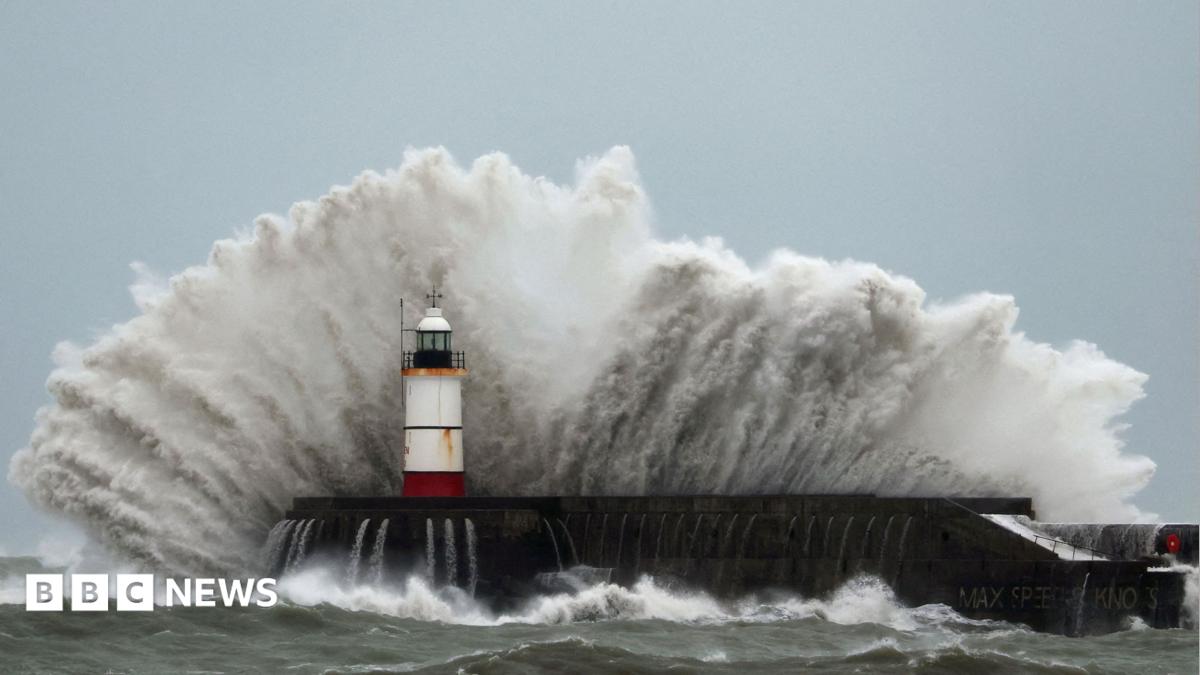
Storm Austen brings power cuts and travel disruption as more wind and rain forecast
Storm Austen brings power cuts and travel disruption to southern England and Wales.