
UN agency warns that three‑quarters of displaced populations reside in high climate‑risk countries
A UNHCR report released ahead of COP31 says nearly 90 million forcibly displaced people live in nations highly exposed to droughts, floods and extreme heat, and calls for stronger protection measures.
A UNHCR report released ahead of COP31 says nearly 90 million forcibly displaced people live in nations highly exposed to droughts, floods and extreme heat, and calls for stronger protection measures.
The story
The United Nations High Commissioner for Refugees (UNHCR) released a report on 5 November indicating that about 90 million forcibly displaced individuals – roughly three‑quarters of the global total – are located in countries that face severe exposure to climate‑related hazards. The agency highlighted drought, flooding and extreme heat as the primary climate threats affecting these populations.
According to the report, more than two‑thirds of refugees who returned to their home countries during the first half of the year did so in environments classified as highly vulnerable to climate hazards. The agency cited Syria as an example, where nearly four million displaced persons have returned amid declining groundwater levels and recent flooding along the Euphrates River that damaged homes and forced additional displacement.
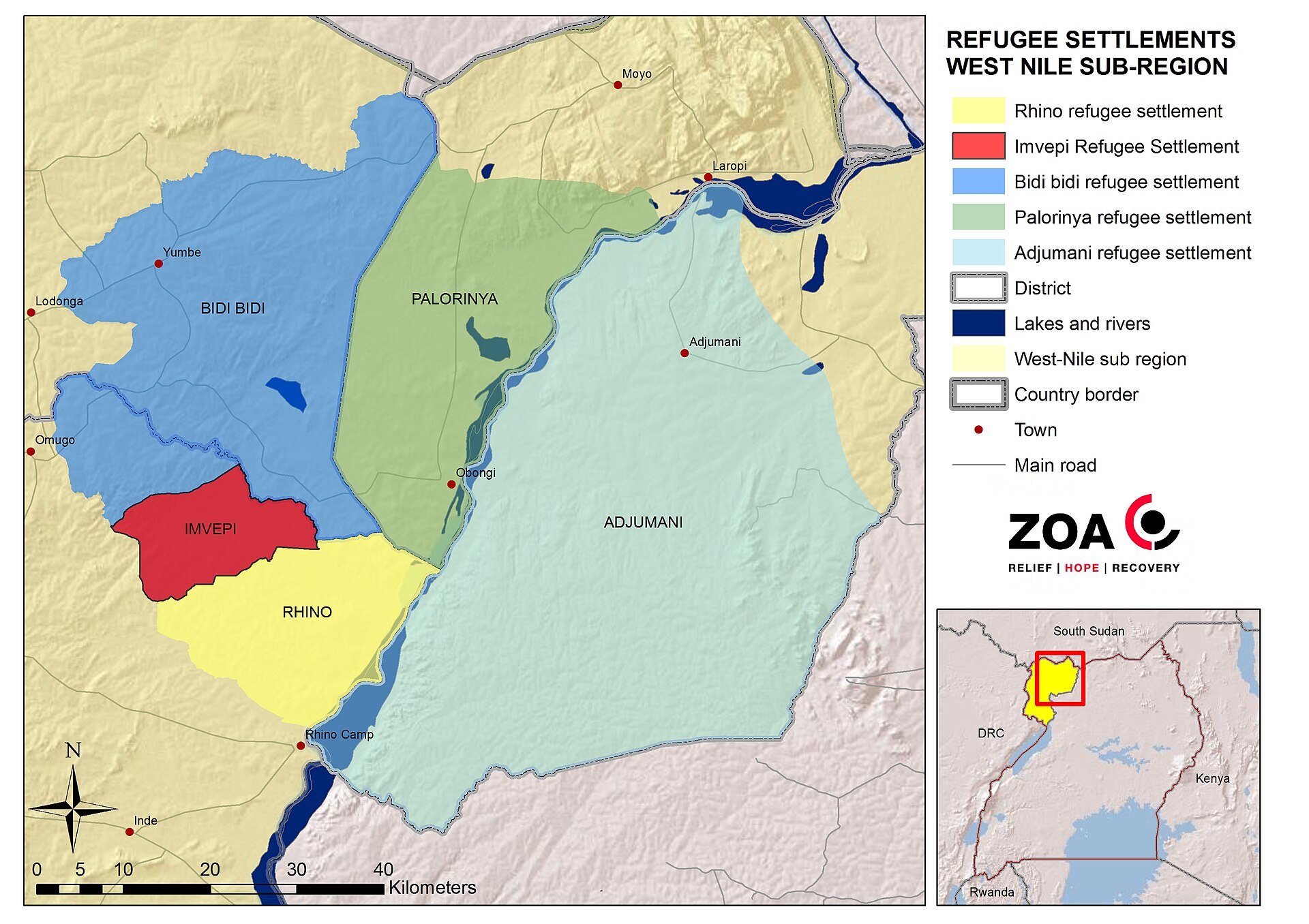
UNHCR warned that climate change is increasingly undermining durable solutions for displaced people. The agency projected that by 2050, one in three refugee settlements across sub‑Saharan Africa could experience 100 or more days of dangerous heat each year, intensifying health and safety risks for residents.
A closer look
The organization also noted that weather‑related disasters are driving internal displacement at a rapid pace, with more than 255 million internal displacements recorded worldwide over the past decade. This averages to about 70 000 new internal displacements each day, according to UNHCR data.
In a statement, Anton Leis Garcia, UNHCR’s Assistant High Commissioner for Operations, described the situation as a “double injustice,” emphasizing that people forced to flee conflict are now confronting climate crises they have contributed little to. The agency called on governments and international bodies to prioritize climate‑resilient assistance ahead of the upcoming COP31 climate summit in Turkey.
This report presents the named publisher’s account and has not yet been independently corroborated.
Continue reading
Environment desk ↗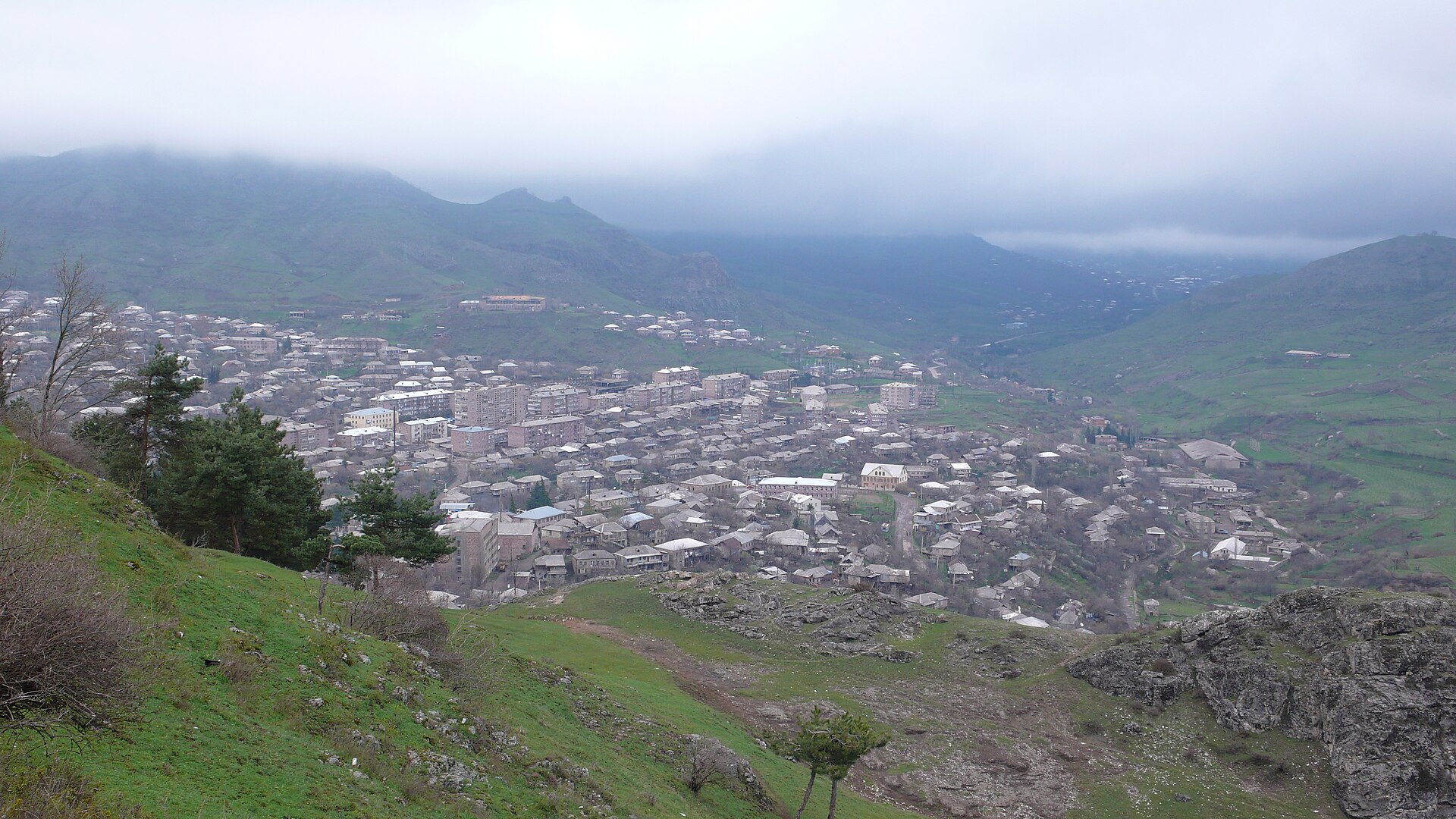
International Biodiversity Summit Concludes in Armenia With Unresolved Funding Shortfalls for African Conservation
Delegates at the United Nations biodiversity conference in Yerevan concluded negotiations with a persistent financial gap, even as nations pursue targets to protect 30% of global land and oceans by the end of the decade.
Study Shows Tree Species Diversity Helps U.S. Woodlands Withstand Compound Climate Extremes
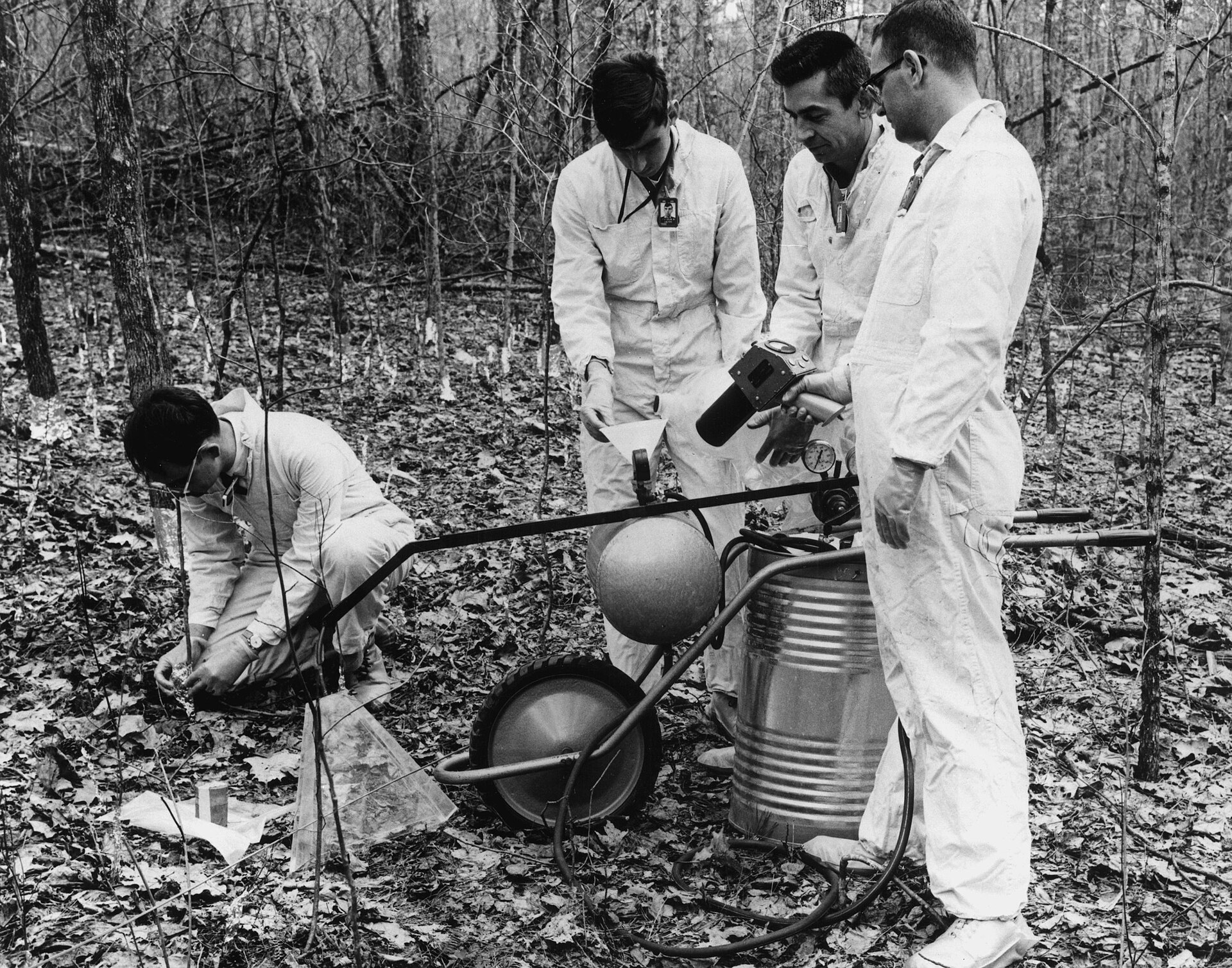
New research analyzing thousands of natural forest plots across the United States indicates that woodlands with a greater variety of tree species are better equipped to handle concurrent climate extremes such as heatwaves combined with drought.

Five new mussel species reveal how much biodiversity US rivers still conceal
Five new mussel species have been discovered in US rivers, highlighting the vast biodiversity that still remains to be explored.