
International Biodiversity Summit Concludes in Armenia With Unresolved Funding Shortfalls for African Conservation
Delegates at the United Nations biodiversity conference in Yerevan concluded negotiations with a persistent financial gap, even as nations pursue targets to protect 30% of global land and oceans by the end of the decade.
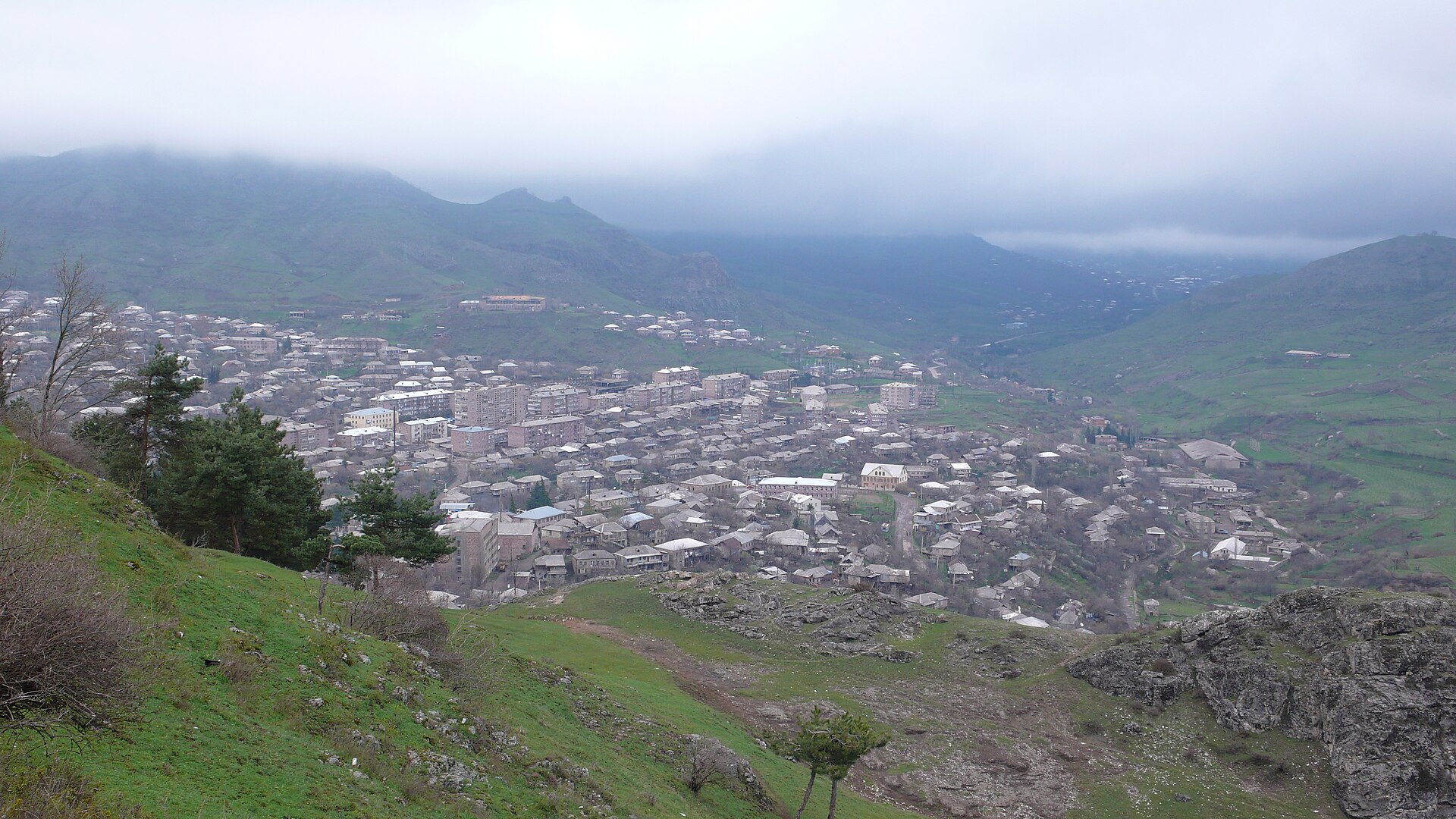
Delegates at the United Nations biodiversity conference in Yerevan concluded negotiations with a persistent financial gap, even as nations pursue targets to protect 30% of global land and oceans by the end of the decade.
The story
Delegates representing African nations departed from the United Nations biodiversity conference in Yerevan, Armenia, without securing the financial commitments necessary to address ongoing conservation gaps. Throughout the October 19-30 summit, announcements introduced roughly $1.8 billion in new global biodiversity funding, alongside agreement from negotiators to broaden the donor base by inviting developing nations such as China and Persian Gulf states to contribute to international finance pools.
Ahead of the conference, representatives emphasized the operational hurdles created by resource constraints. Nadège Nzoyem, the regional director for the Congo Basin at WWF, noted that financial resources remain foundational for maintaining forest conservation and conducting effective wildlife monitoring.
Data compiled by the U.S.-based environmental watchdog SkyTruth indicates that African countries are currently progressing toward the international 30x30 target, which aims to protect 30% of global land and marine environments by 2030. The continent averages 19.9% protected land and 17.2% protected marine areas, exceeding the global averages of 18.7% for land and 10% for oceans, though both remain short of the final objective.
A closer look
Despite these efforts, a report published during the summit revealed that international conservation funding directed to Africa dropped in 2025. African nations secured approximately $389 million, representing a 32% decrease compared to the annual average from 2022 to 2024. The continent's share of tracked global funding similarly dropped from 48% across 2023 and 2024 down to about 39% in 2025.
This reduction mirrors a broader worldwide contraction in protected area funding, which decreased from roughly $1.2 billion in 2023 to about $1 billion in 2025. Brian O’Donnell, director of Campaign for Nature, criticized the scale of current investments in a statement accompanying the report, asserting that affluent nations spend significantly more on commercial goods annually than on supporting the 30x30 initiative in developing regions.
Concluding the summit discussions, Astrid Schomaker, executive secretary of the Convention on Biological Diversity, emphasized the structural changes required to meet global goals. Schomaker stated that financial resources must directly support the communities and nations requiring assistance, while biodiversity considerations must be integrated into standard economic planning.
This report presents the named publisher’s account and has not yet been independently corroborated.
Continue reading
Environment desk ↗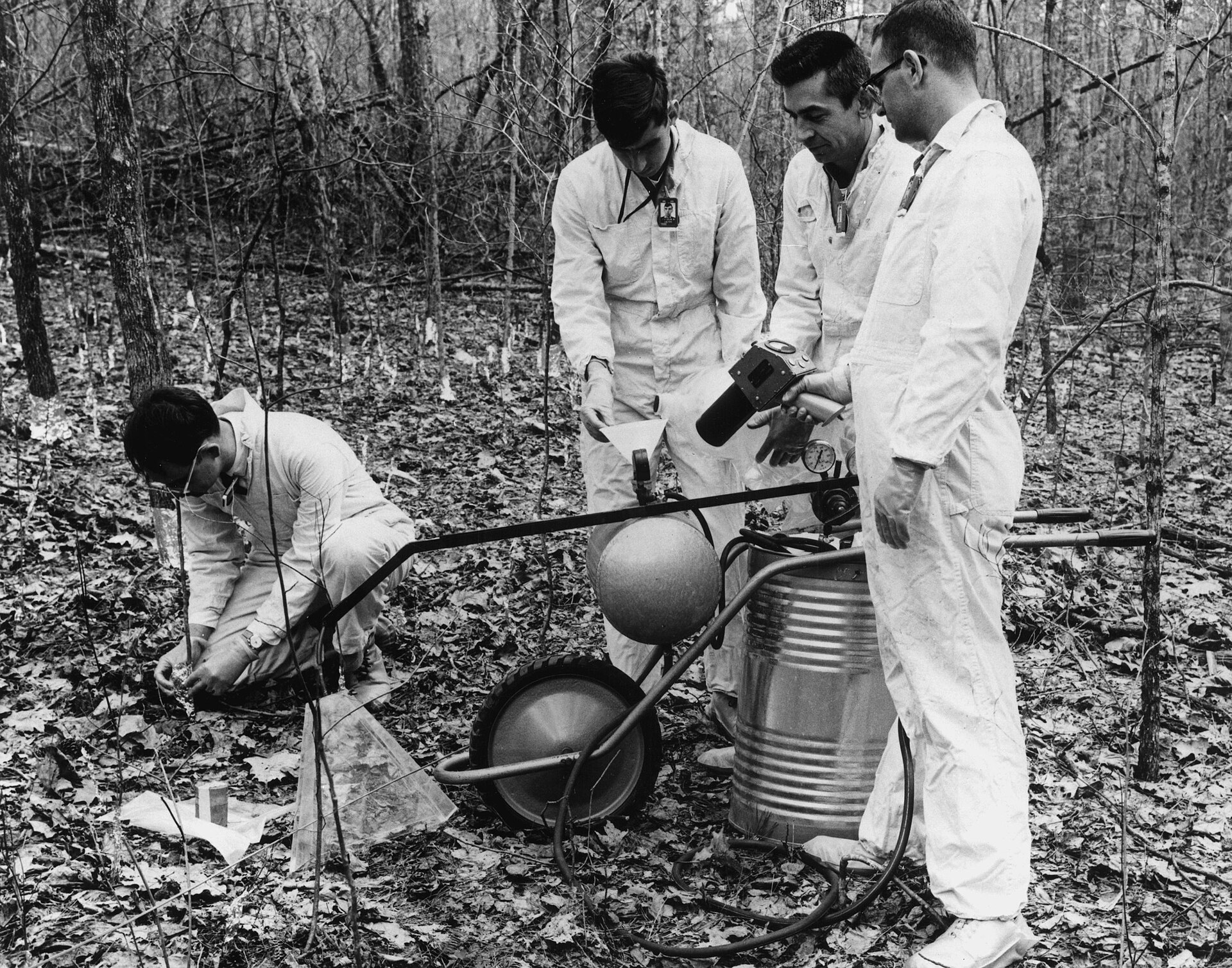
Study Shows Tree Species Diversity Helps U.S. Woodlands Withstand Compound Climate Extremes
New research analyzing thousands of natural forest plots across the United States indicates that woodlands with a greater variety of tree species are better equipped to handle concurrent climate extremes such as heatwaves combined with drought.

Five new mussel species reveal how much biodiversity US rivers still conceal
Five new mussel species have been discovered in US rivers, highlighting the vast biodiversity that still remains to be explored.
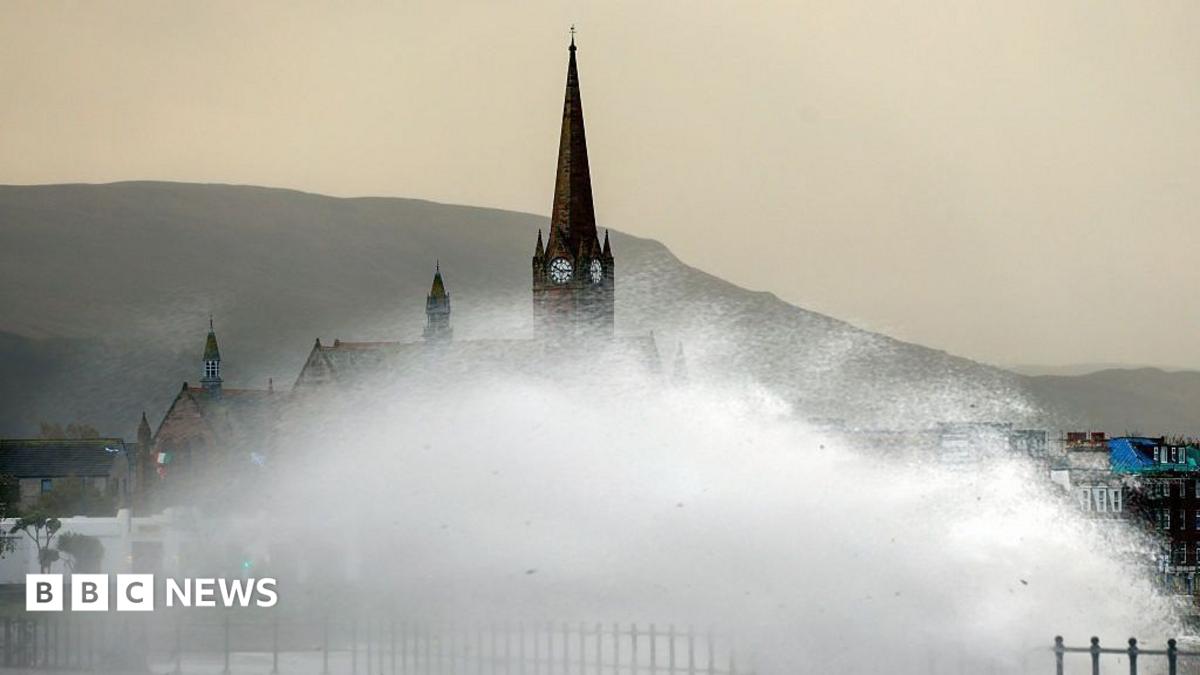
Man killed by falling tree as Storm Boelo leaves 160,000 properties without power
Storm Boelo brings severe weather to the UK, leaving 160,000 properties without power and causing a fatal accident.