
British Home Secretary Outlines Changes to Immigration and Asylum Framework
Home Secretary Shabana Mahmood has introduced immigration and asylum system reforms that extend qualifying periods for secure residence and permanent residency in the United Kingdom.
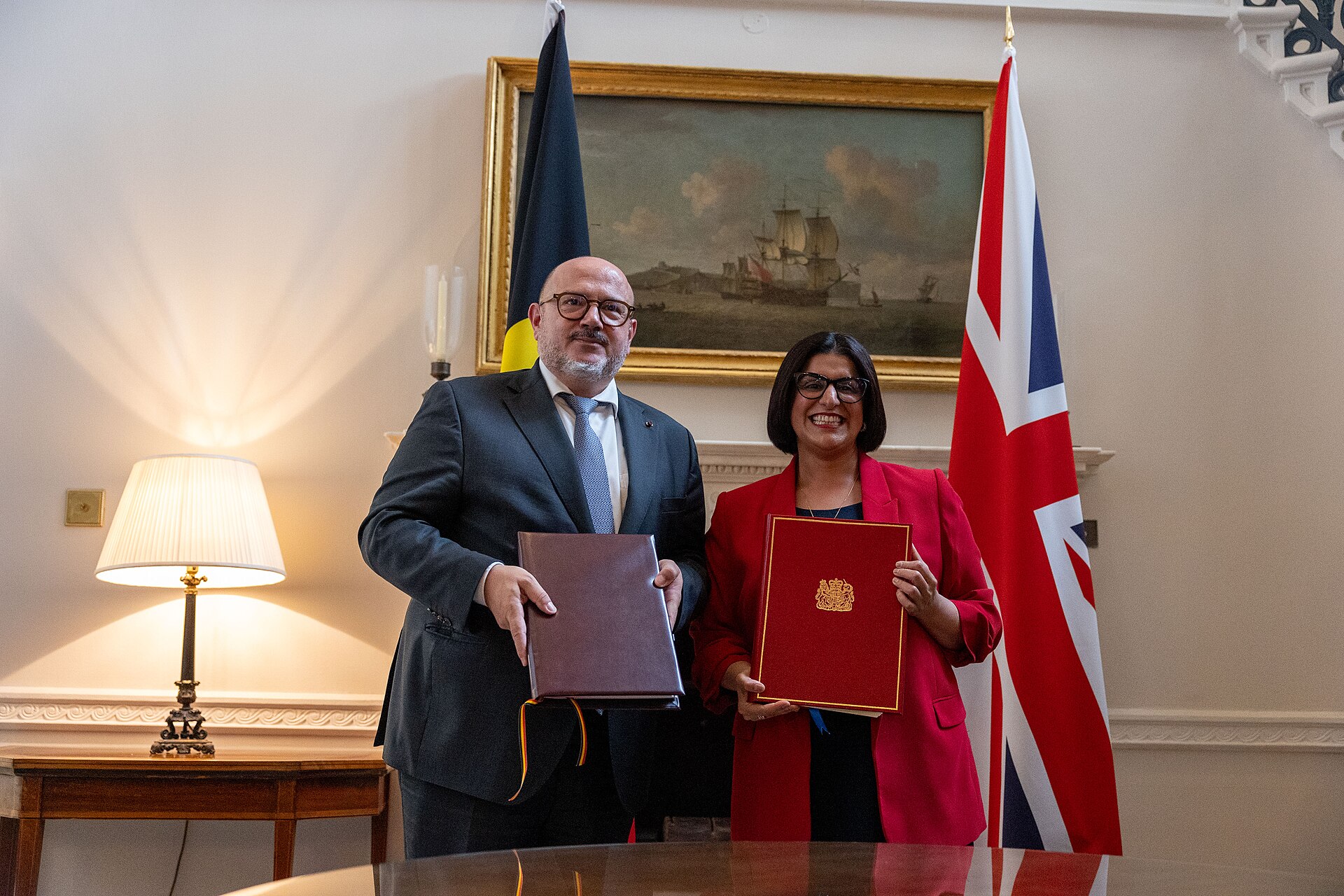
Home Secretary Shabana Mahmood has introduced immigration and asylum system reforms that extend qualifying periods for secure residence and permanent residency in the United Kingdom.
The story
British Home Secretary Shabana Mahmood has introduced an immigration and asylum system that alters qualifying timeframes for migrant workers and refugees seeking secure residence in the United Kingdom. Under the framework reported by The Guardian, the standard qualifying period for migrant workers to obtain secure residence will double to 10 years. This duration is twice the length established in nearly all European Union countries.
The standard wait period for refugees who claim asylum in the United Kingdom outside of designated resettlement routes is set at 20 years. According to Home Office notes cited in the evidence, there are no visa routes enabling individuals to claim asylum from overseas, and applicants must be present in the United Kingdom to submit a claim. The Home Office has reopened a limited resettlement scheme, with referrals expected to include Afghan women and girls as well as Palestinians.
For individuals who arrive by small boat and have their asylum claims accepted, the wait for permanent residency can extend up to 30 years. The updated framework includes a partial retreat concerning social care workers. Those who entered the social care route before May 2025 and meet specific conditions remain able to apply for indefinite leave to remain after five years.
A closer look
The implementation of the 10-year baseline affects various individuals who are already lawfully resident in the country, impacting people who organized their plans around previous timelines. The system also establishes differentiated pathways based on earnings, allowing higher-earning workers to qualify for settlement in three years while those earning below certain thresholds face longer waiting periods.
Data compiled by the New Economics Foundation previously examined the economic and social contributions of different occupations, contrasting the financial returns of high-earning professions with essential support roles such as childcare workers, hospital cleaners, and recycling workers. Meanwhile, the social care sector continues to manage workforce vacancies following fluctuations in international recruitment numbers over recent years.
This report presents the named publisher’s account and has not yet been independently corroborated.
Continue reading
Politics desk ↗
High Court Examines Constitutional Challenge to Under-16 Social Media Restriction
Reddit and a human rights group have brought a High Court challenge against Australia's youth social media ban, arguing it infringes on the constitutional freedom of political communication.
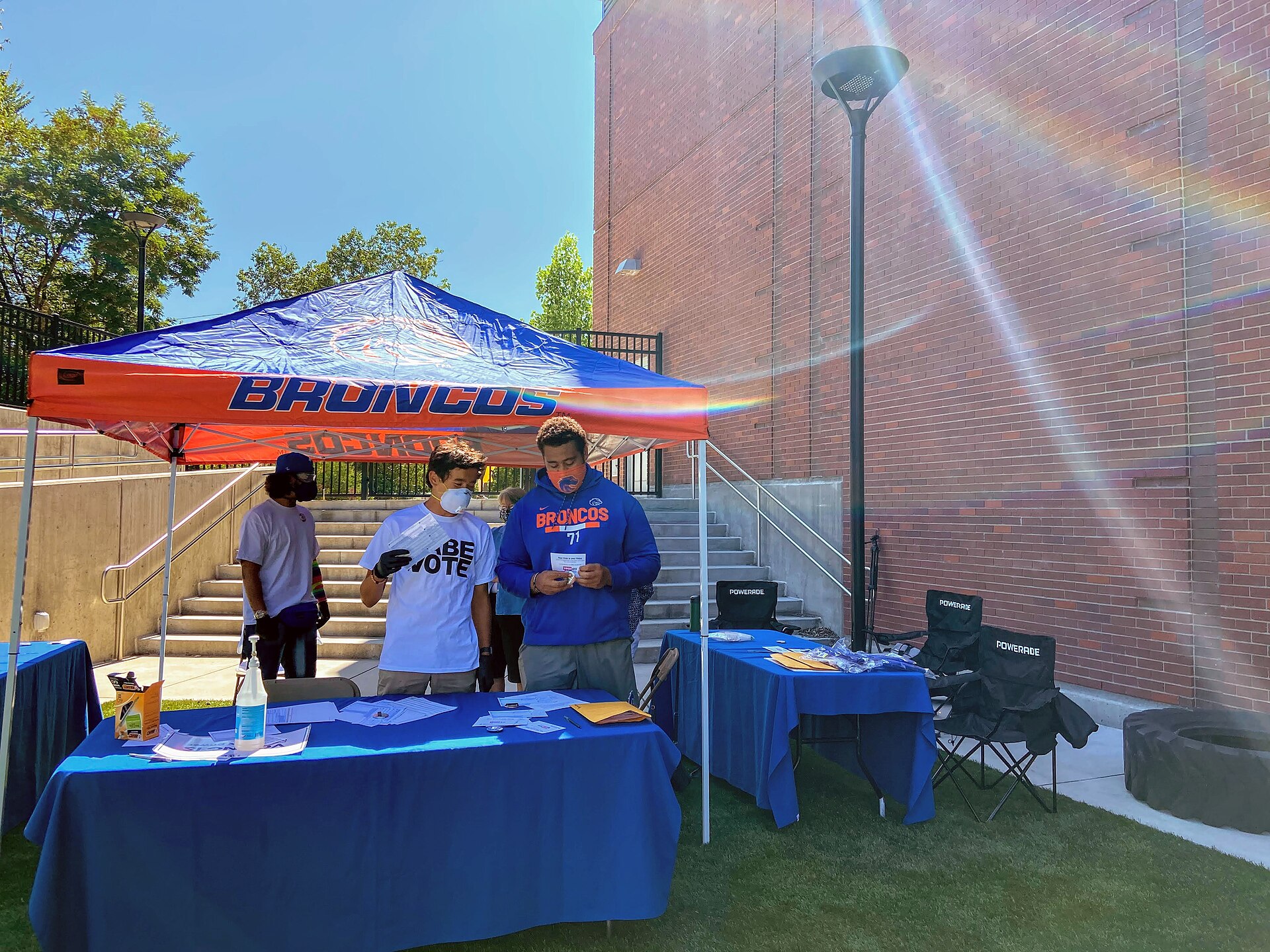
United States Voters Head to the Polls in 2026 Midterm Elections
Voters across the United States are casting ballots in the 2026 midterm elections, with control of the House of Representatives and the Senate at stake during the final two years of President Trump's term.
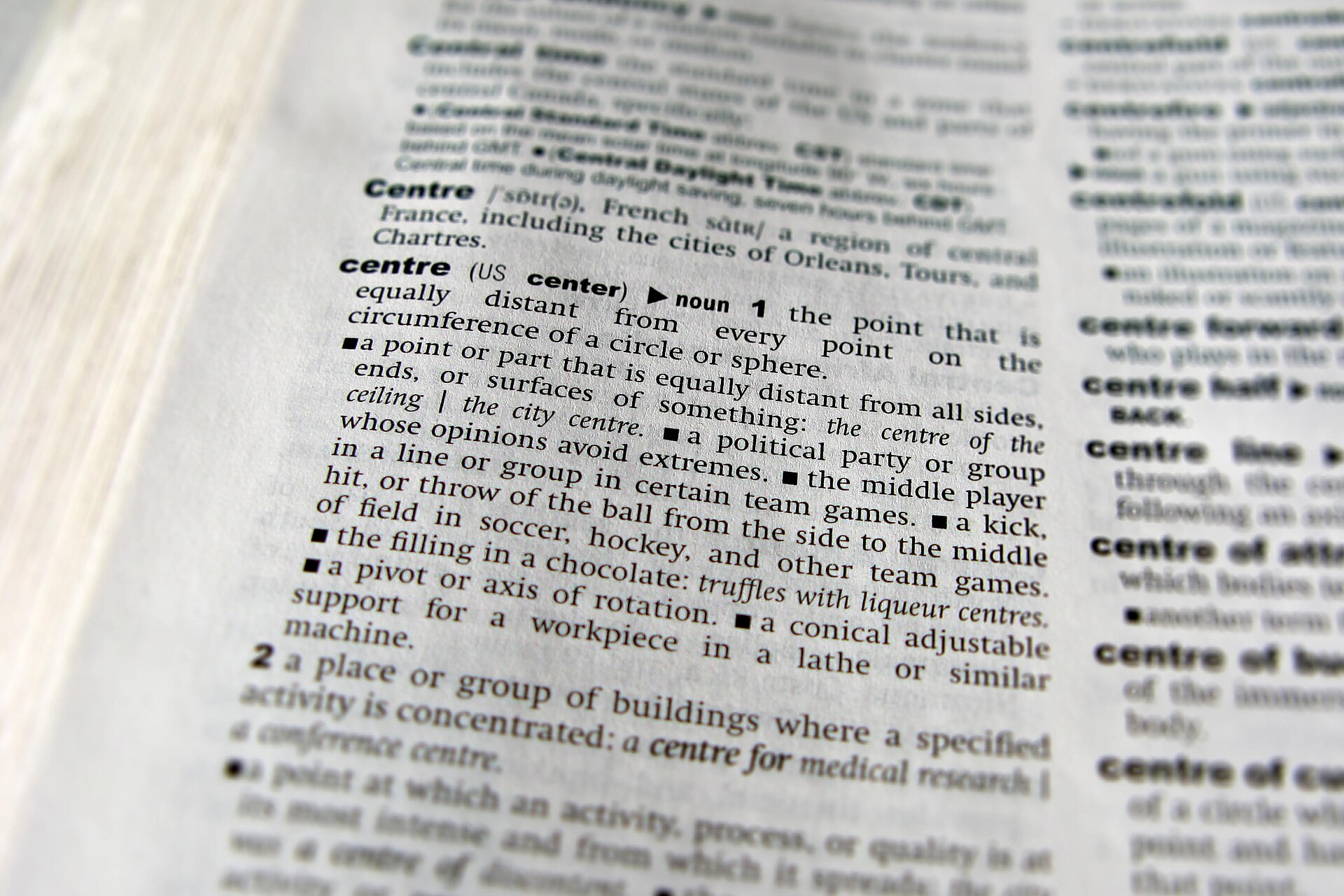
Bodybuilding Slang Term Crowned Collins Dictionary Word of the Year
Collins English Dictionary has selected the slang term 'mogging' as its word of the year for 2026, citing its rapid growth in mainstream usage among younger generations.