
Princess Margaret Rose Cave remains closed as renovation timeline slips
The historic limestone cave in Victoria's Lower Glenelg National Park is still inaccessible to visitors, with Parks Victoria targeting a late‑2027 reopening after further delays.
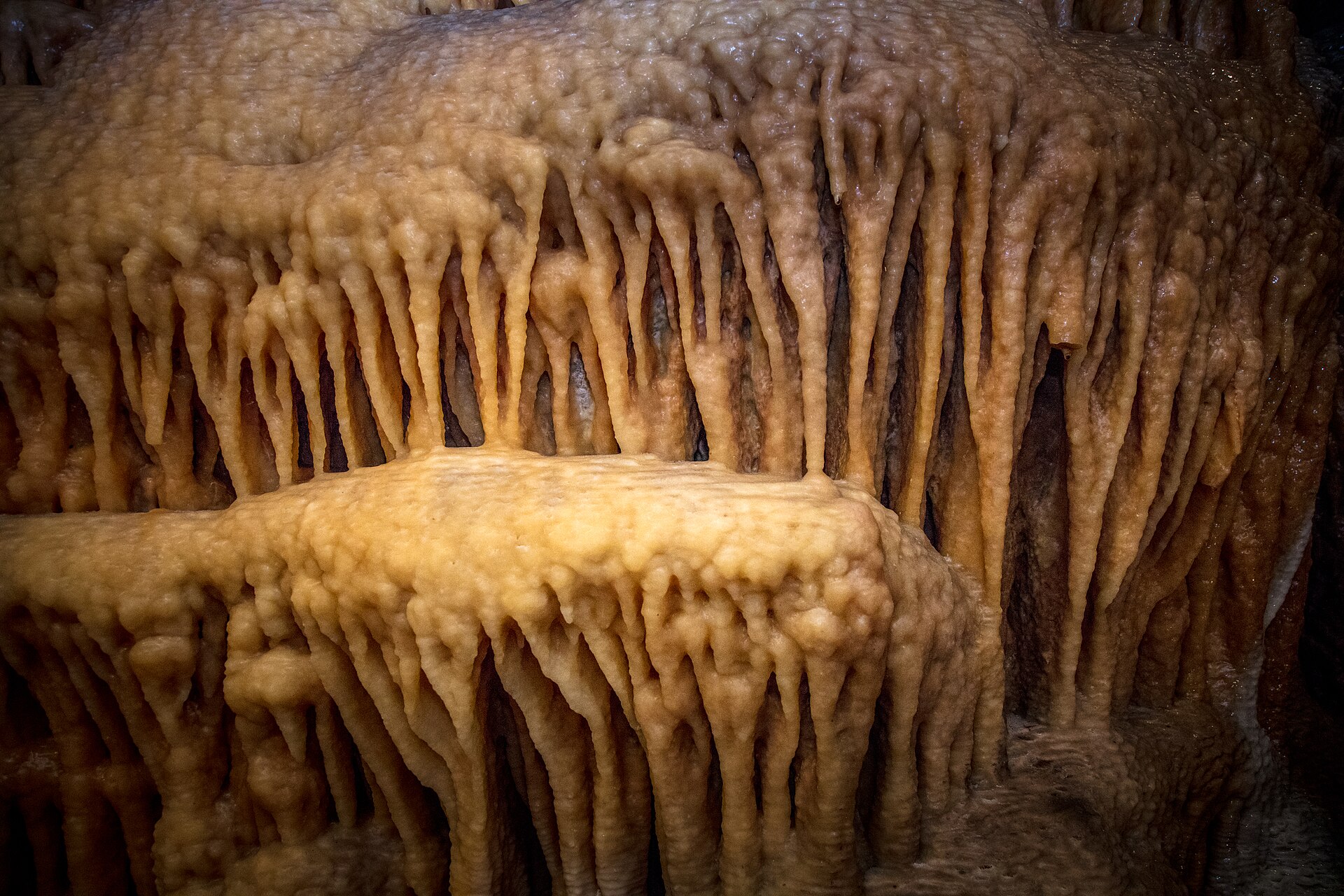
The historic limestone cave in Victoria's Lower Glenelg National Park is still inaccessible to visitors, with Parks Victoria targeting a late‑2027 reopening after further delays.
The story
The Princess Margaret Rose Cave, located in Lower Glenelg National Park near Mount Gambier, has been closed to the public since 2021. The cave, which first opened for tours in the 1940s, ceased operations when its previous operators retired during the COVID‑19 pandemic. Since then, the site has been largely unattended, prompting concerns among local residents and tourism operators.
Local tourism operator David Graham described the visitor centre as "dilapidated," noting that gates have been installed to deter vandalism. He observed damage such as broken mirror shards, ripped flooring and a large hole in a shower near the campground and cabins. Graham also mentioned that a missing doorhandle and a cracked window allowed easy entry, though the entrance door has now been locked.
Parks Victoria, the agency responsible for the cave, has indicated that work is underway to restore the facility. The department has set a tentative target to reopen the cave in late 2027, acknowledging that the timeline has been pushed back from earlier projections. Officials have not provided a detailed schedule for the remaining construction and refurbishment tasks.
A closer look
Local Liberal MP Roma Britnell expressed disappointment that the community has been without access to the attraction for several years. While she noted the setback, she also emphasized the importance of completing the upgrades to ensure visitor safety and preserve the site's heritage value.
Despite the prolonged closure, some community members remain hopeful that the ongoing work will eventually allow the Princess Margaret Rose Cave to welcome tourists again, restoring its role as a regional draw for visitors to the South Australian border area.
This report presents the named publisher’s account and has not yet been independently corroborated.
Continue reading
Travel desk ↗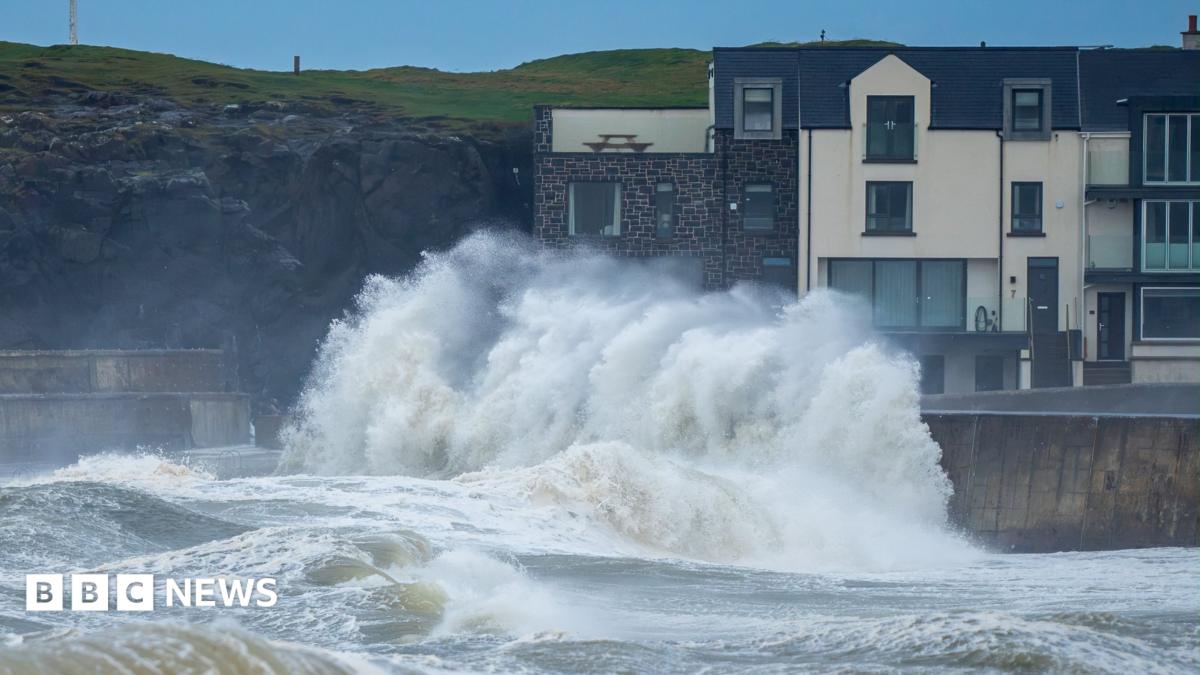
Flight disruption and thousands without electricity after Storm Boelo
Storm Boelo causes widespread disruption across Ireland
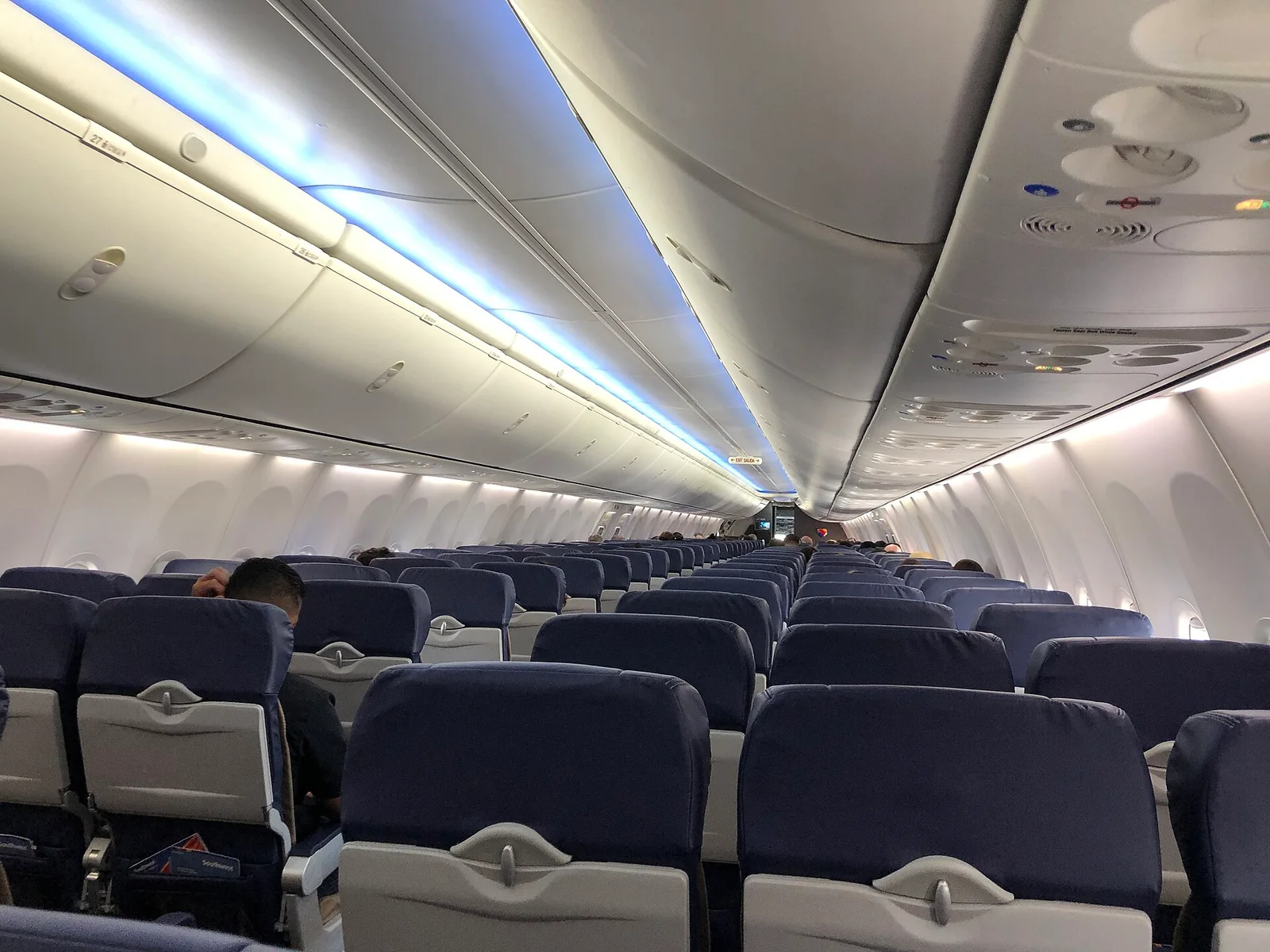
Viral singing flight attendant breaks silence
Flight attendant's impromptu performance goes viral
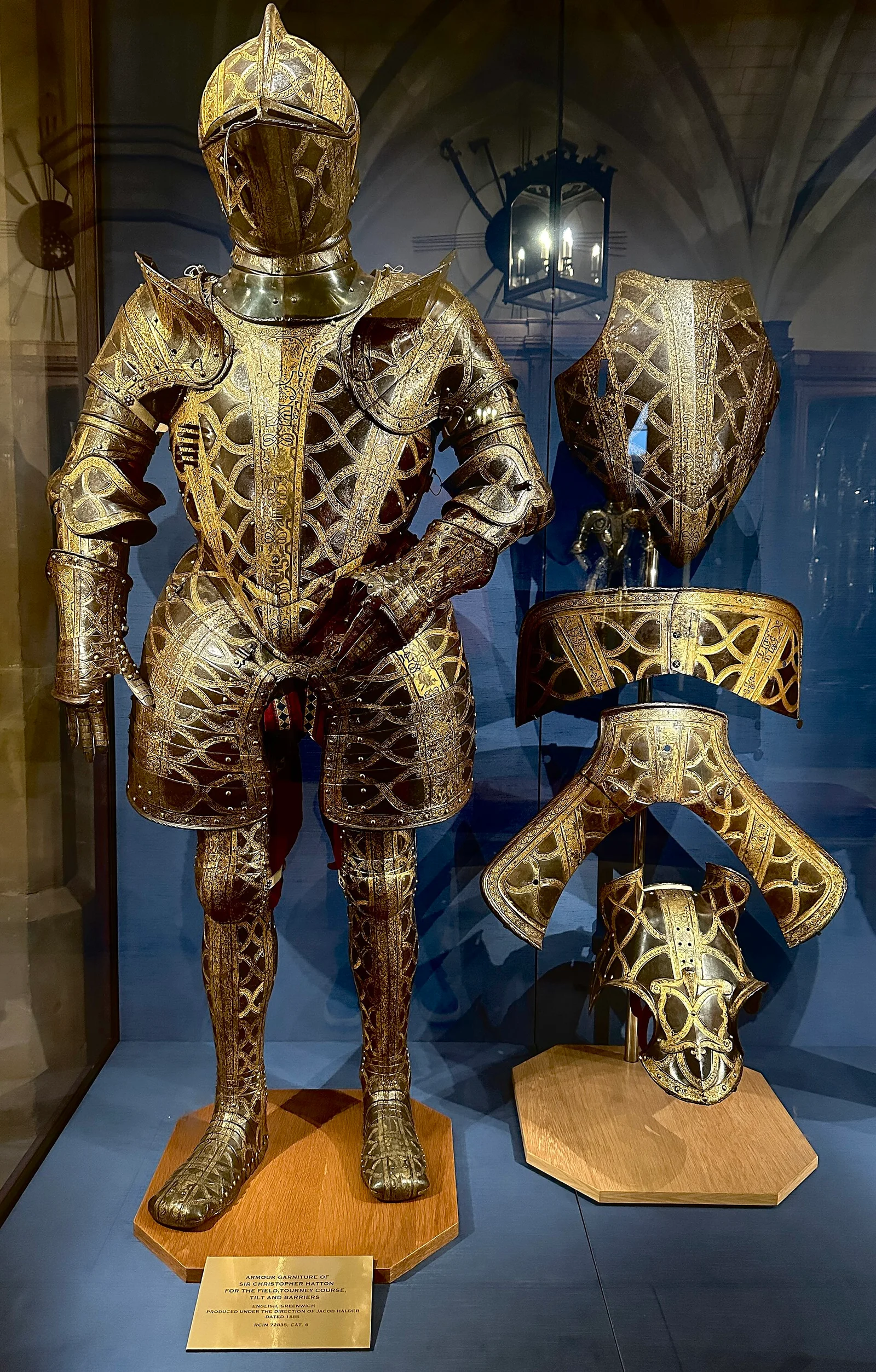
One week a year I escape my ‘real’ life as broke standup comic – and travel back to medieval times | Scout Boxall
A standup comic finds solace in medieval fantasy world of live action role play, where they can temporarily escape their 'real' life.