
Possible Three-Way Summit Between Trump, Xi and Putin Discussed Ahead of APEC
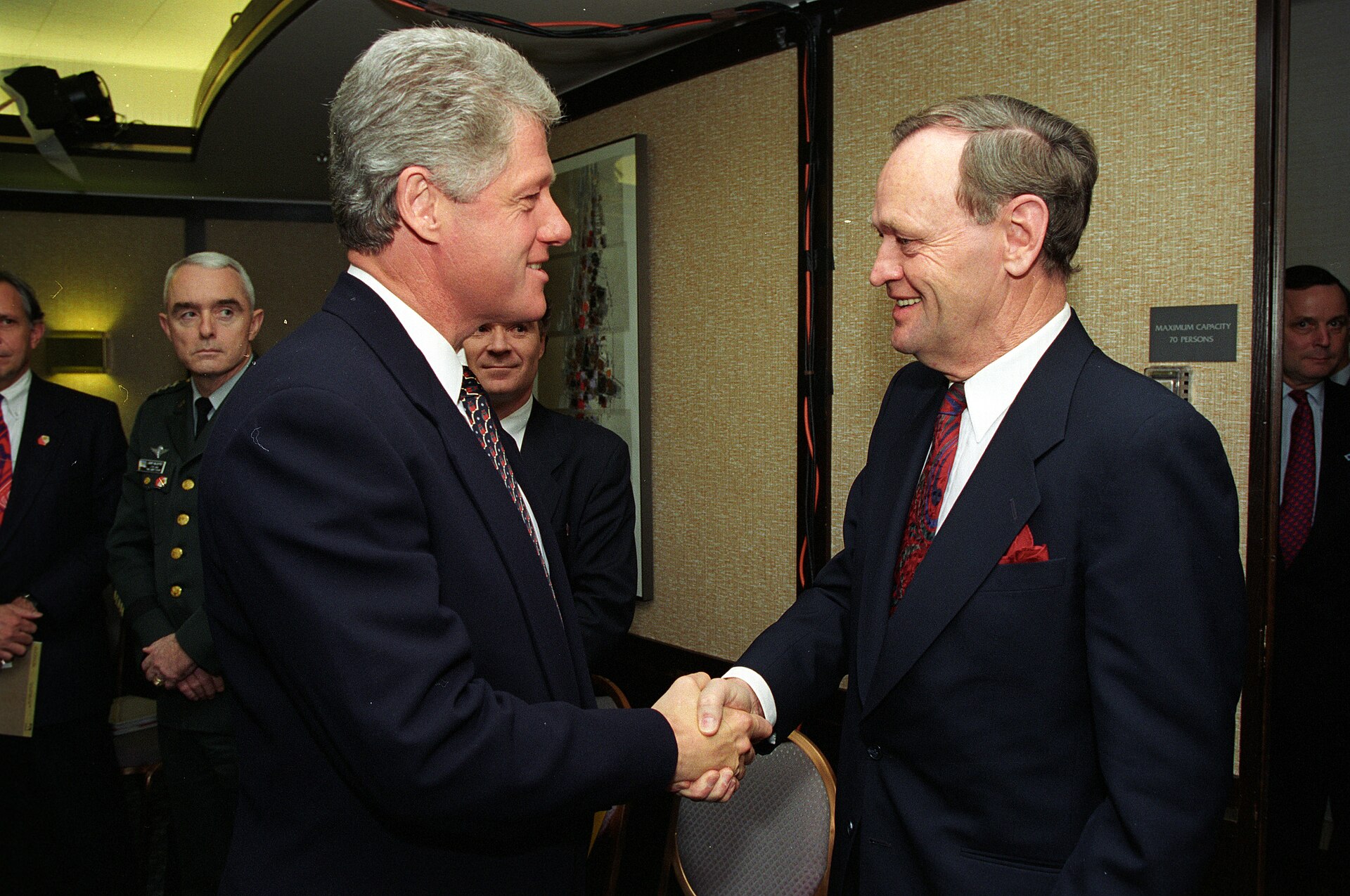
Moscow and Beijing weigh a potential three-way meeting involving US President Donald Trump, Chinese President Xi Jinping and Russian President Vladimir Putin on the sidelines of the APEC summit in Shenzhen.
Moscow and Beijing weigh a potential three-way meeting involving US President Donald Trump, Chinese President Xi Jinping and Russian President Vladimir Putin on the sidelines of the APEC summit in Shenzhen.
The story
Preparations are underway for a potential unprecedented three-way meeting between United States President Donald Trump, Chinese President Xi Jinping and Russian President Vladimir Putin on the sidelines of the upcoming Asia-Pacific Economic Cooperation summit in Shenzhen, China. Kremlin spokesman Dmitry Peskov stated on Tuesday that coordination work for the gathering was proceeding, while Chinese Foreign Ministry spokesperson Mao Ning noted in Beijing on Wednesday that China remained in communication with relevant parties regarding the potential summit.
US President Donald Trump indicated last month that he was open to three-way discussions centered on nuclear weapons, telling reporters he would participate if Chinese President Xi wished to hold them. Although the three leaders have previously conducted separate bilateral meetings, they have never participated in formal three-way talks together. The prospective gathering is scheduled to take place during the APEC summit dates of November 18 and 19.
Analysts suggest that a formal meeting of the three heads of state would carry significant diplomatic weight. Moscow-based journalist and political analyst Alexander Bratersky told Al Jazeera that the event would represent a major diplomatic gain for Moscow. Bratersky noted that Pyotr Tolstoy, chairman of the Russian parliament's foreign affairs committee, characterized the prospective gathering as a step toward a modern Yalta conference, referencing the 1945 summit that established the post-war European order.
A closer look
According to Bratersky, participating in the summit would allow Russian President Vladimir Putin to project significant global influence and marginalize the war in Ukraine during discussions regarding European security architecture. Bratersky also observed that the diplomatic landscape is influenced by the recent US midterm elections, which resulted in Democratic majorities in both chambers of Congress, potentially altering the leverage of the US administration in foreign policy matters.
Meanwhile, the broader political implications of the US midterm elections continue to unfold regarding international relations and ongoing conflicts. Ukrainian President Volodymyr Zelensky expressed cautious optimism following the Republican Party's defeat, noting that Democratic lawmakers have voiced clear support for Ukraine and transatlantic ties. However, foreign policy experts note that the US president retains substantial constitutional authority over foreign policy decisions and negotiations, meaning the extent of congressional influence on executive branch diplomacy remains constrained.
Read the source reports and compare their framing:
Continue reading
Defence desk ↗
Internal Records Detail Russian Military Support and Missile Launcher Contracts for Iran
Newly surfaced production documents indicate Moscow allocated components for precision-guided missile launchers to Tehran prior to the conflict with the United States.

European Air Traffic and Newsrooms Hit by Fresh Wave of Security Threats
Multiple flights and several high-profile media organisations across Europe faced security threats on Friday, marking the third such incident in a single week.
Kurdish Football Club Amedspor Climbs to Turkish Super Lig Frontrunner
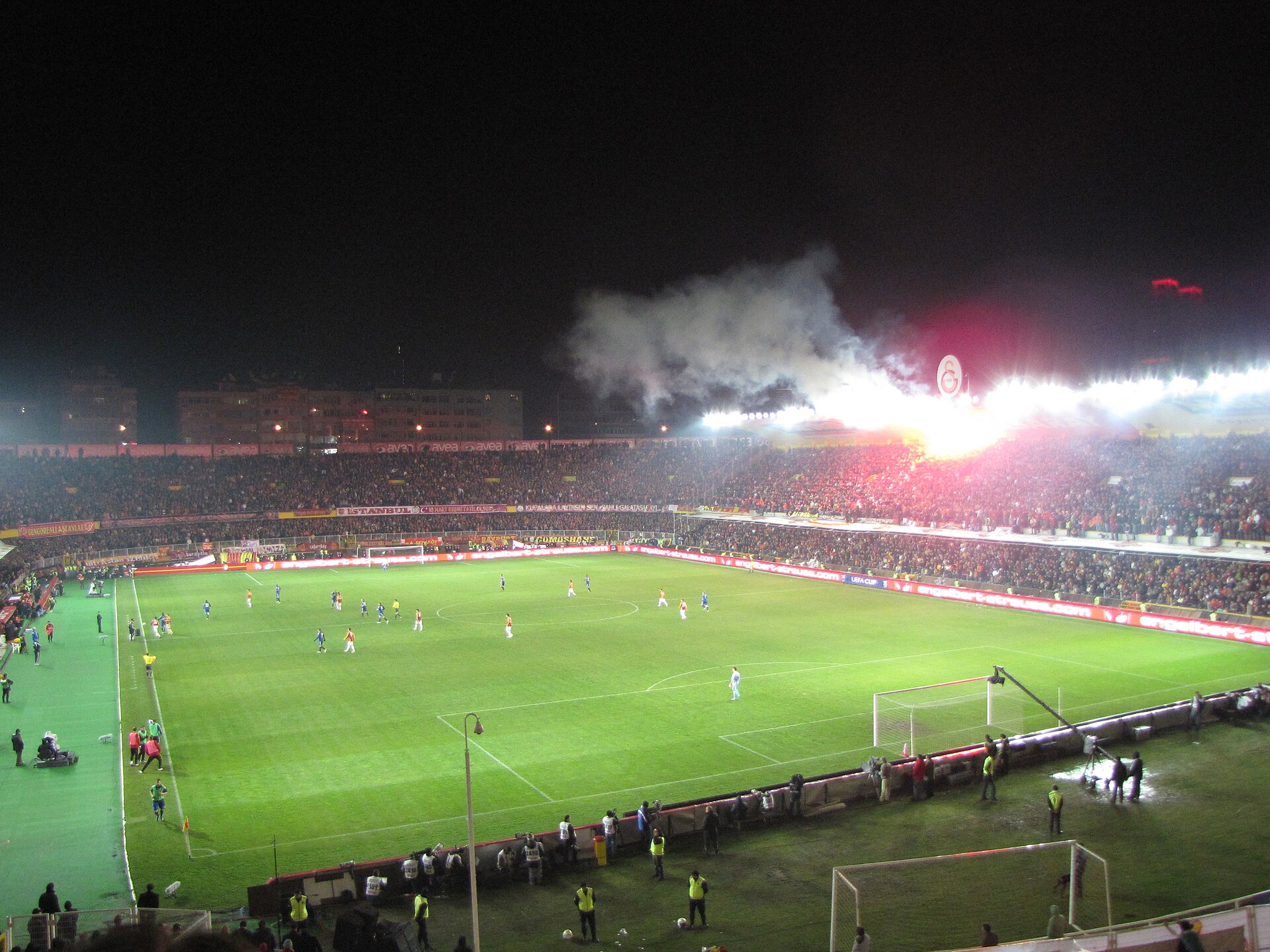
Diyarbakir-based club Amedspor has advanced to the Turkish Super Lig's upper tier following a decade of political challenges and lower-league play.