
Internal Records Detail Russian Military Support and Missile Launcher Contracts for Iran
Newly surfaced production documents indicate Moscow allocated components for precision-guided missile launchers to Tehran prior to the conflict with the United States.
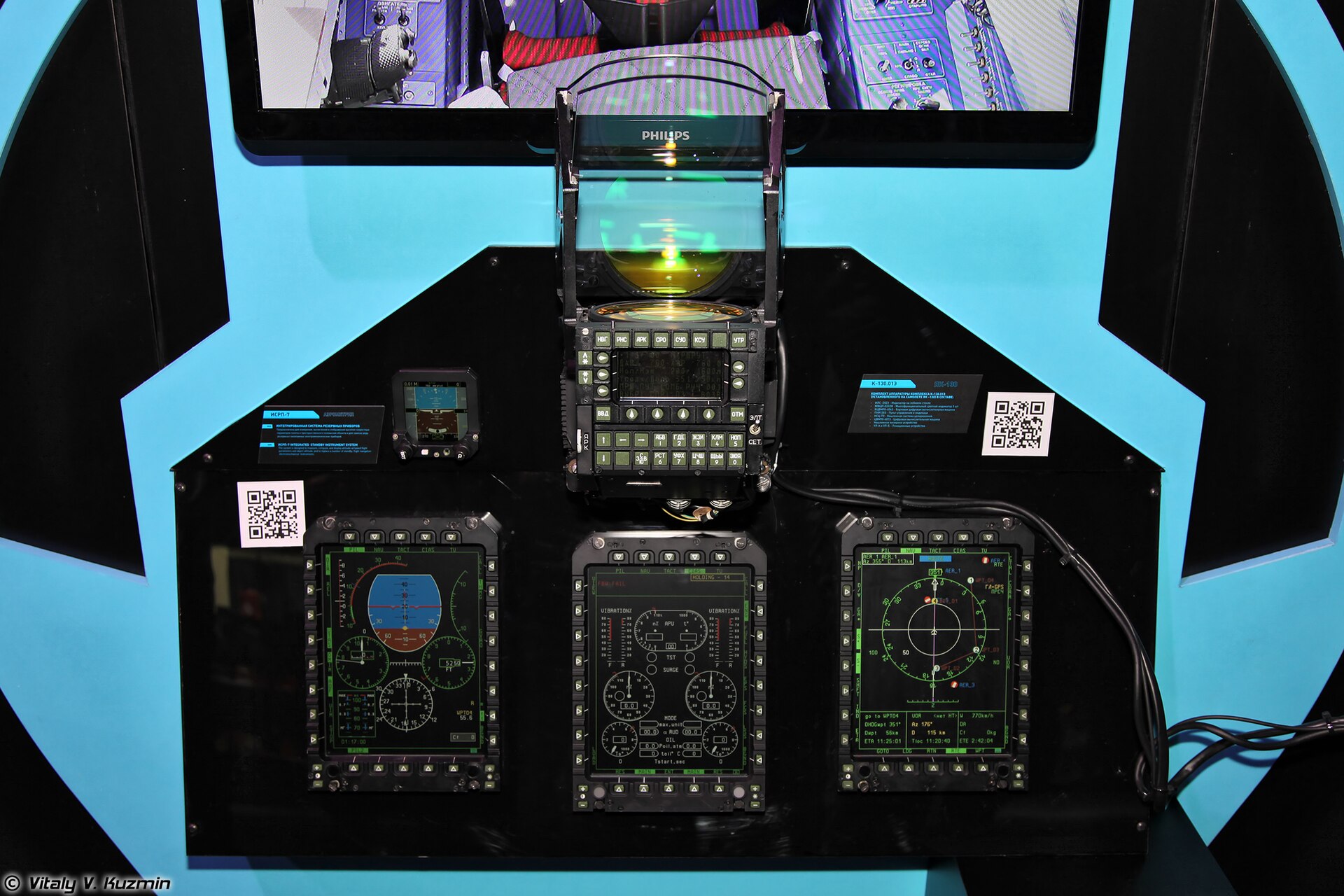
Newly surfaced production documents indicate Moscow allocated components for precision-guided missile launchers to Tehran prior to the conflict with the United States.
The story
Internal defense industry documents indicate that Russia played a more extensive role in bolstering Iran's military capabilities prior to its conflict with the United States than previously disclosed. According to records obtained and published by the Ukrainian defense intelligence research group Dallas Analytics, a Russian contract was tied to 90 launchers for precision-guided missiles destined for Tehran.
The production records show that components were allocated for 90 APU-L twin-rail launchers under a contract identified by the code "K-10." Shipments within the Russian production chain were scheduled from late 2024 through December 2025. Other internal records explicitly link the K-10 designation to Iran, including an October 2022 supply request for Yak-130 aircraft equipment countersigned by the acting head of the Russian Defense Ministry's 704th Military Representation. Iranian state media subsequently showed Yak-130 aircraft entering service in September 2023, with the tail number of one aircraft matching records associated with the K-10 designation.
The APU-L launchers are designed to carry Russia's LMUR precision-guided missile, also known as Product 305 or the Kh-39. The roughly 230-pound weapon carries a 55-pound warhead and utilizes an electro-optical seeker with a two-way radio link. Iran had previously announced plans to acquire Russian Mi-28 attack helicopters, a platform capable of carrying the missile, and export-variant Mi-28NE helicopters were photographed in Iran in January 2026. Dallas Analytics stated that while the documents do not establish whether the completed launchers ultimately reached Iran, the contract itself provides strong proof of the transfer.
A closer look
The findings add new details to the military relationship between Moscow and Tehran amidst the ongoing conflict. President Donald Trump has previously downplayed Russia's involvement, stating last month that he did not believe Moscow was helping Iran at all. Meanwhile, U.S. intelligence has assessed that Russia provided Tehran with information on American military asset locations, satellite imagery, and weapons components.
U.S. officials have maintained that the assistance has not materially affected military operations. Secretary of State Marco Rubio stated that Russian assistance was not impeding operations, while Secretary of War Pete Hegseth noted that the U.S. was tracking the support and accounting for it in battle plans. Concurrently, the U.S. administration has worked to disrupt foreign weapons procurement, with the Treasury Department targeting procurement networks and the State Department sanctioning a Russia-based individual involved in efforts to help Iran acquire Chinese-made man-portable air-defense systems.
This report presents the named publisher’s account and has not yet been independently corroborated.
Continue reading
Defence desk ↗
Possible Three-Way Summit Between Trump, Xi and Putin Discussed Ahead of APEC
Moscow and Beijing weigh a potential three-way meeting involving US President Donald Trump, Chinese President Xi Jinping and Russian President Vladimir Putin on the sidelines of the APEC summit in Shenzhen.
European Air Traffic and Newsrooms Hit by Fresh Wave of Security Threats
Multiple flights and several high-profile media organisations across Europe faced security threats on Friday, marking the third such incident in a single week.
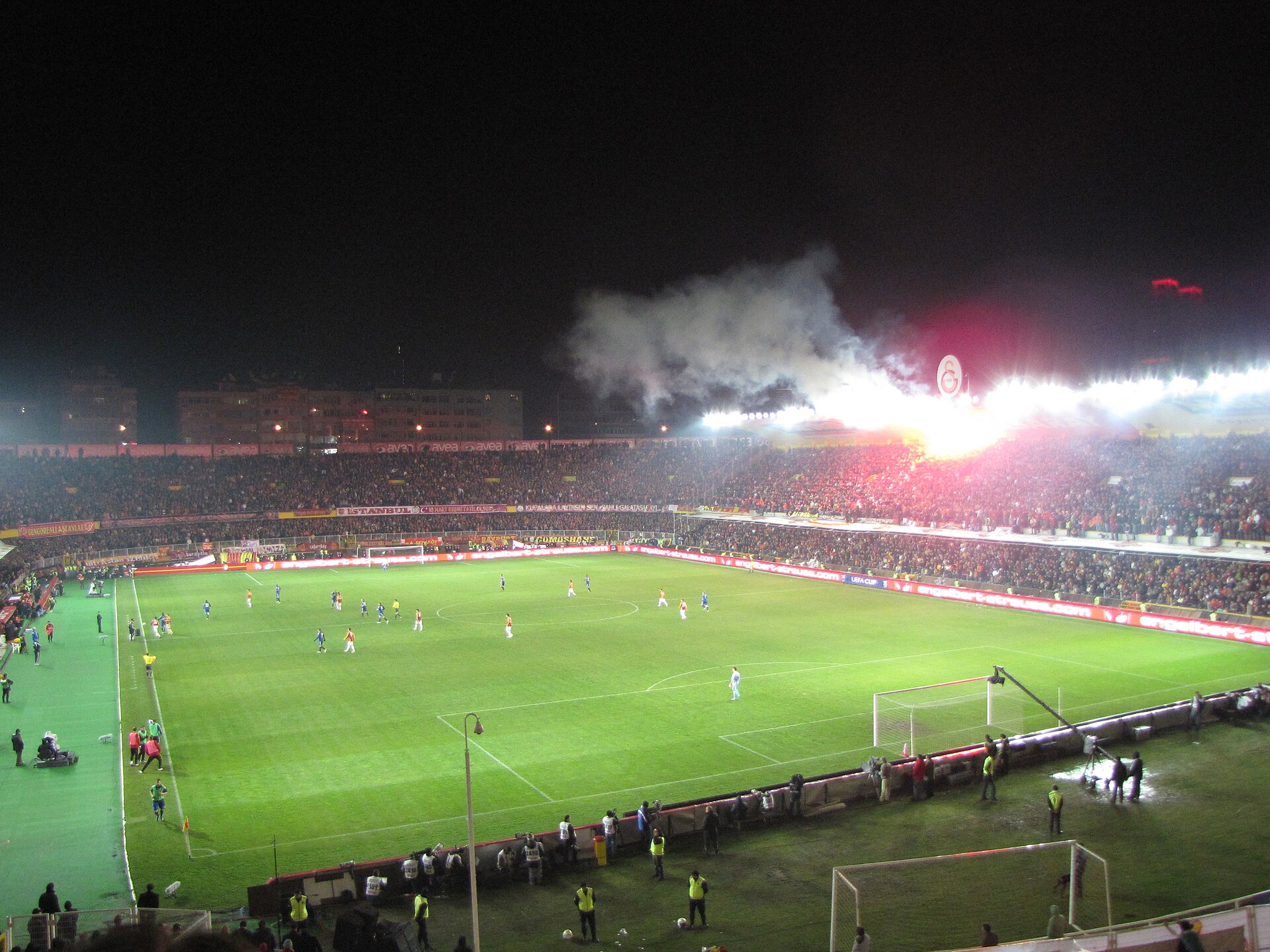
Kurdish Football Club Amedspor Climbs to Turkish Super Lig Frontrunner
Diyarbakir-based club Amedspor has advanced to the Turkish Super Lig's upper tier following a decade of political challenges and lower-league play.