
Former Loggers and Poachers Help Guard Cambodia's Cardamom Mountains
An ecotourism initiative in rural Cambodia employs former loggers and hunters to protect the Cardamom Mountains, where ancient animist traditions blend with conservation efforts.
An ecotourism initiative in rural Cambodia employs former loggers and hunters to protect the Cardamom Mountains, where ancient animist traditions blend with conservation efforts.
The story
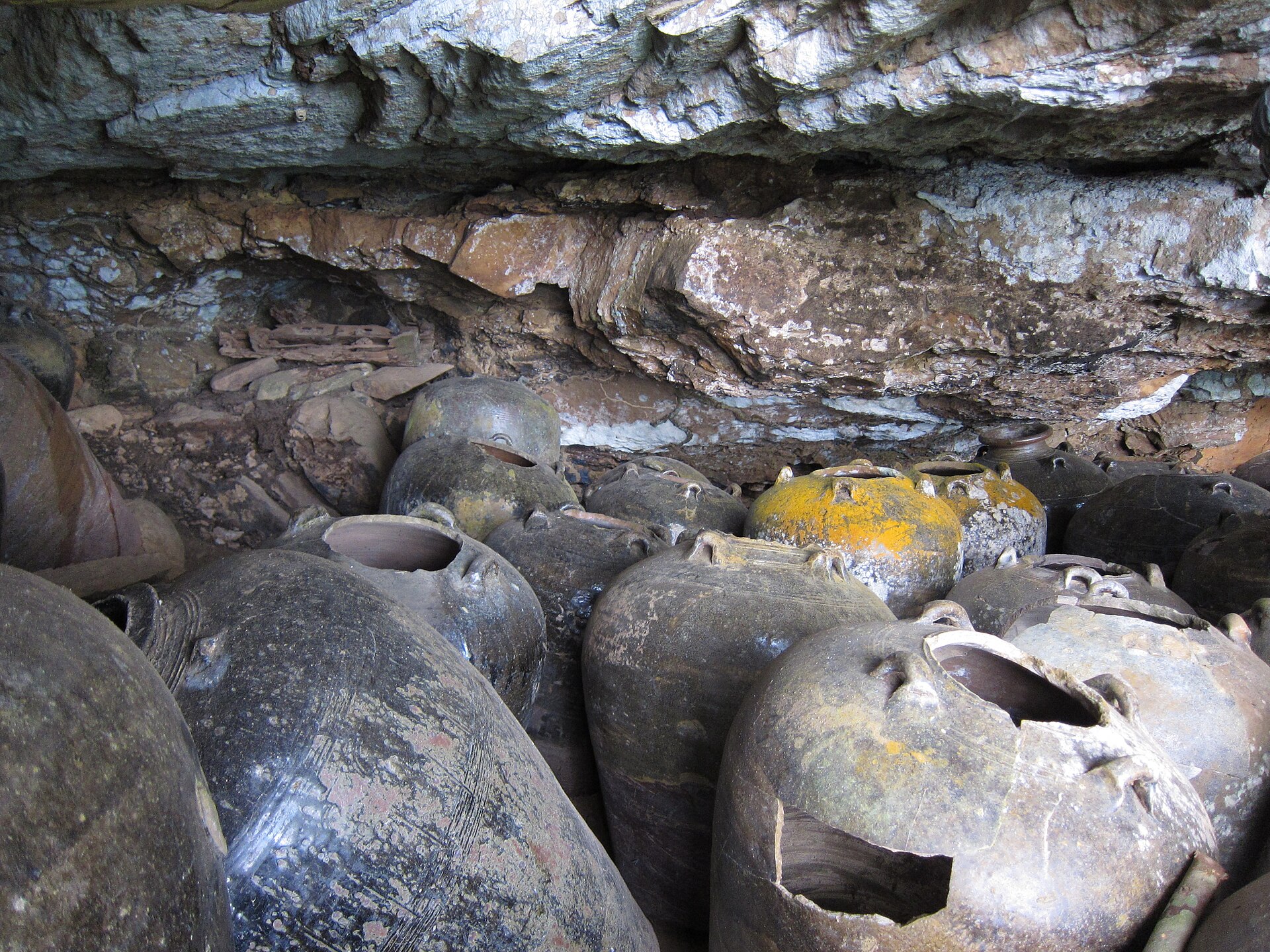
Located a six-hour bus ride west of Phnom Penh, the Cardamom mountain range in Cambodia serves as one of the largest unfragmented rainforest corridors in mainland south-east Asia. The region is recognized as a sanctuary for rare and endangered wildlife and contains ancient burial grounds alongside historical sites dating back to the late 1980s. Alongside armed government rangers who enforce national park laws, deep-seated animist traditions contribute to forest protection by designating vast areas as untouchable.
Local communities such as Chi Phat have adapted their relationship with the environment in response to economic and environmental pressures. Founded in 2007 by the Wildlife Alliance, the Chi Phat ecotourism community operates affordable excursions and treks into the mountains, supported by an overnight base camp located by the Stung Preat river.
A closer look
Many individuals participating in the ecotourism project previously worked as loggers, poachers, and hunters. Among them is a 60-year-old forest cook known as Mr Crab, who formerly drove trucks for commercial loggers transporting timber out of the region before shifting to conservation and promotion work.
Khmer spirituality and animism remain integrated into daily life in the area. Throughout the mountains, local guides point out sacred sites, such as a shrine situated on a stone along the Preak Piphot River dedicated to Lok Ta Esey Tmar Andet, which local belief holds protects the waterway.
This report presents the named publisher’s account and has not yet been independently corroborated.
Continue reading
Defence desk ↗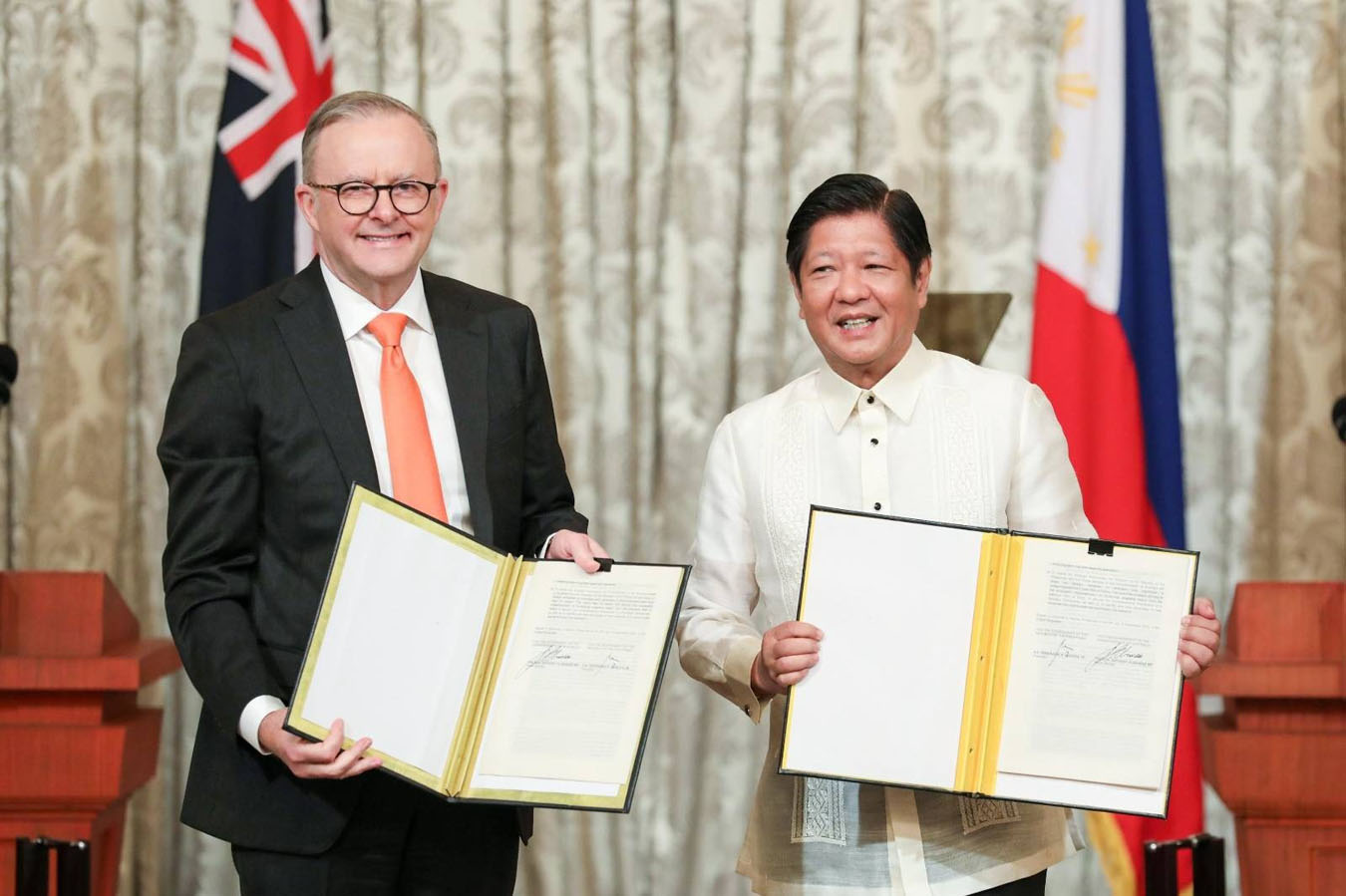
Australian government retains historic Victoria Barracks after public opposition
Prime Minister Anthony Albanese announced that the Sydney and three other defence sites will remain in public ownership, reversing a previous plan to sell them.
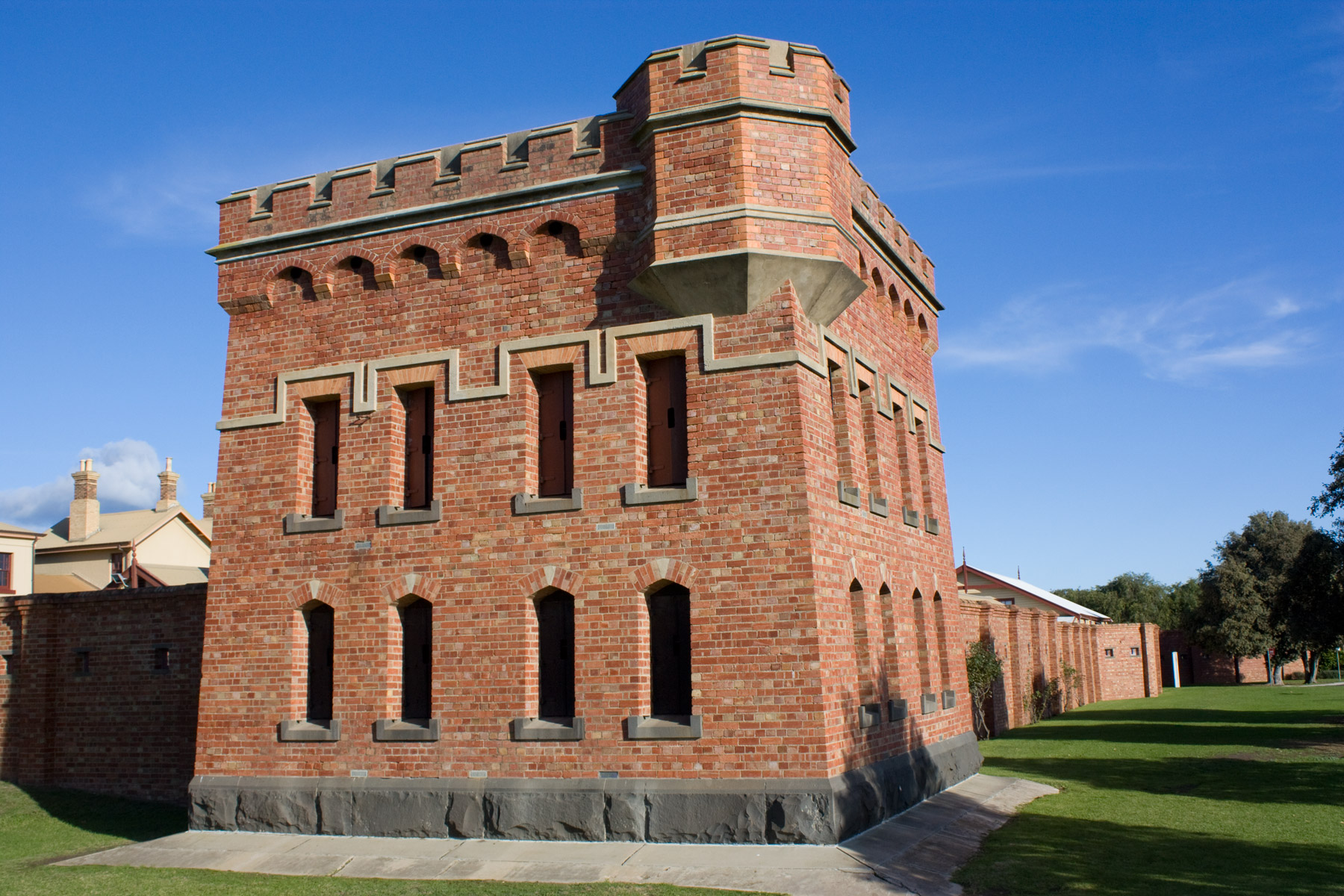
Australian government abandons plan to sell historic Victoria Barracks sites
After criticism from veterans, former prime ministers and opposition parties, the Albanese administration announced that four heritage‑listed defence properties will stay in public ownership and be repurposed for community use.

Multiple Fatalities Recorded After Gunman Attacks Kraków Market Square
Authorities report nine total deaths following a shooting incident in Poland's second-largest city and a subsequent search of the suspect's residence.