
Australian government retains historic Victoria Barracks after public opposition
Prime Minister Anthony Albanese announced that the Sydney and three other defence sites will remain in public ownership, reversing a previous plan to sell them.
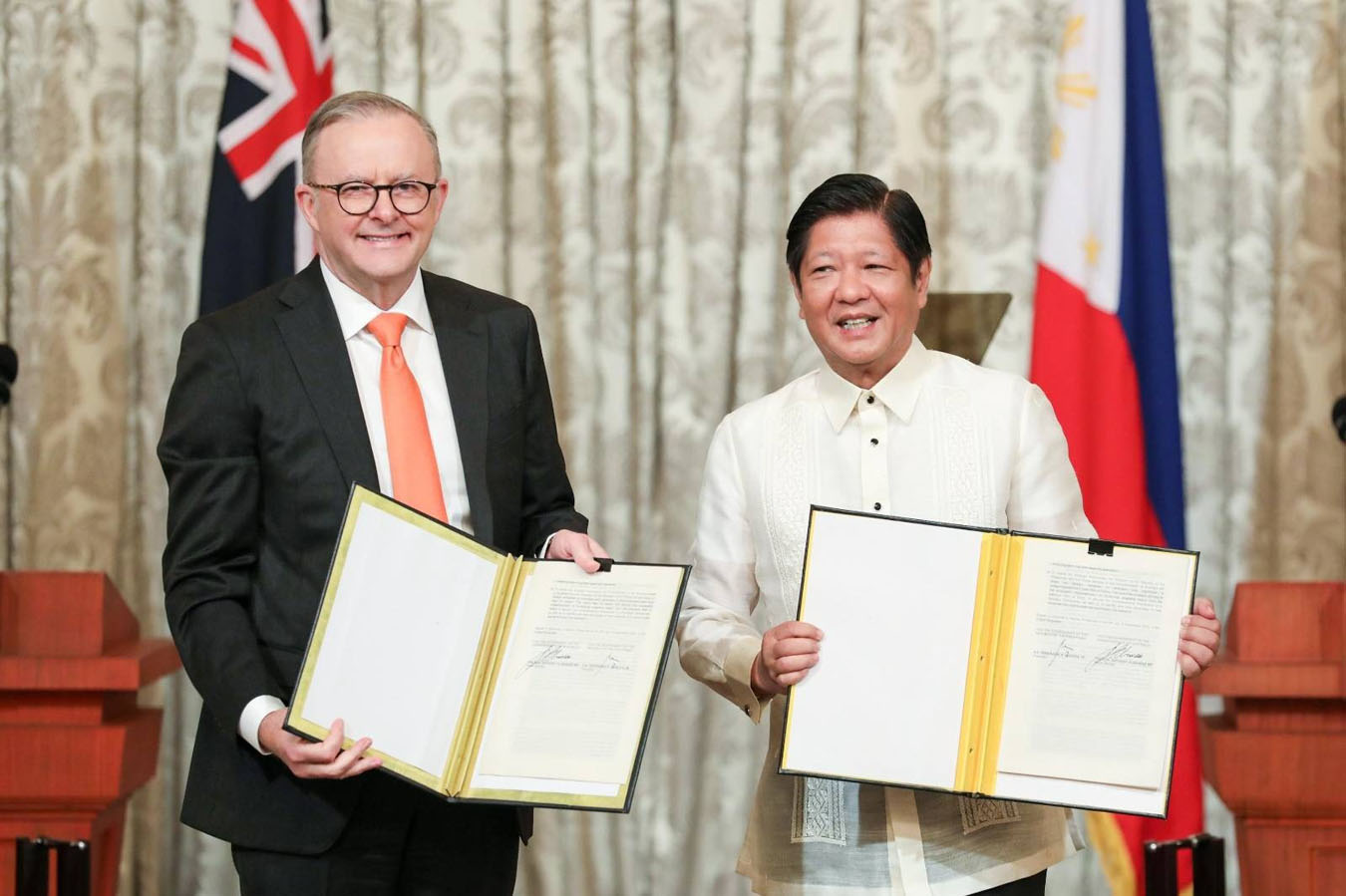
Prime Minister Anthony Albanese announced that the Sydney and three other defence sites will remain in public ownership, reversing a previous plan to sell them.
The story
The Albanese administration announced on Sunday that Victoria Barracks in Moore Park, Sydney, along with three other defence locations – Victoria Barracks Melbourne, Fort Queenscliff and Point Cook (RAAF Williams) – will stay under government control. The decision follows a broader proposal to dispose of 67 military sites as part of a $1.8 billion real‑estate plan.
In a statement reported by the Sunday Telegraph, Prime Minister Anthony Albanese said the sites were "no longer for sale" and highlighted the historic significance of the Sydney barracks. He added that the government would explore ways to open the 13‑hectare precinct to the public while seeking heritage‑compatible commercial uses.
The reversal came after protests outside the Moore Park facility, where demonstrators called for the barracks to remain a defence asset. Former prime ministers John Howard, Tony Abbott and Paul Keating, together with New South Wales Premier Chris Minns, publicly criticised the original sale proposal.
A closer look
While the grounds will no longer serve as an active defence installation, the government intends to work with the Australian War Memorial to develop interpretive programs that commemorate the sites' military history. The plan also includes assessing community and commercial opportunities that respect the locations' heritage values.
The announcement marks a partial backtrack for the government, which still intends to review the future of the remaining sites slated for sale. Officials indicated that any further decisions will balance fiscal considerations with public interest and historical preservation.
This report presents the named publisher’s account and has not yet been independently corroborated.
Continue reading
Defence desk ↗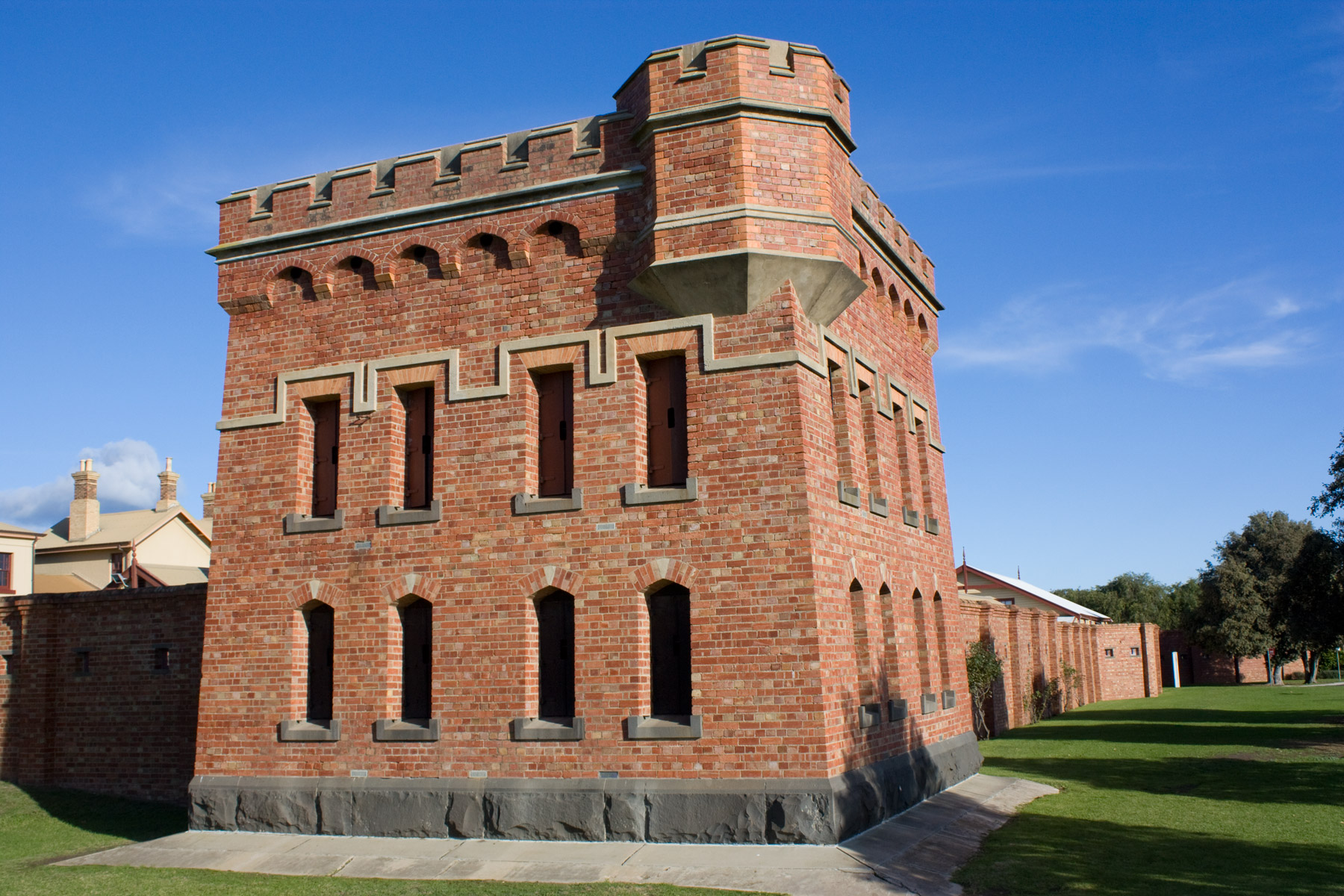
Australian government abandons plan to sell historic Victoria Barracks sites
After criticism from veterans, former prime ministers and opposition parties, the Albanese administration announced that four heritage‑listed defence properties will stay in public ownership and be repurposed for community use.

President Herzog appoints former chief of staff Gadi Eisenkot to build coalition government
Israel’s president tasked Yashar party leader Gadi Eisenkot with forming a cabinet after the October 27 election left both major blocs short of a parliamentary majority.

Carlos Alcaraz Advances to Maiden Paris Masters Final to Face Ben Shelton
The Spanish tennis player secured his spot in the Paris showpiece with a straight-sets victory over Casper Ruud, setting up a rematch of their US Open encounter.