
Coalition Defends Paris Agreement Membership to Avoid Carbon Border Penalties
Opposition energy spokesman Dan Tehan says remaining in the climate pact is essential to protect Australian exports from potential foreign trade levies.
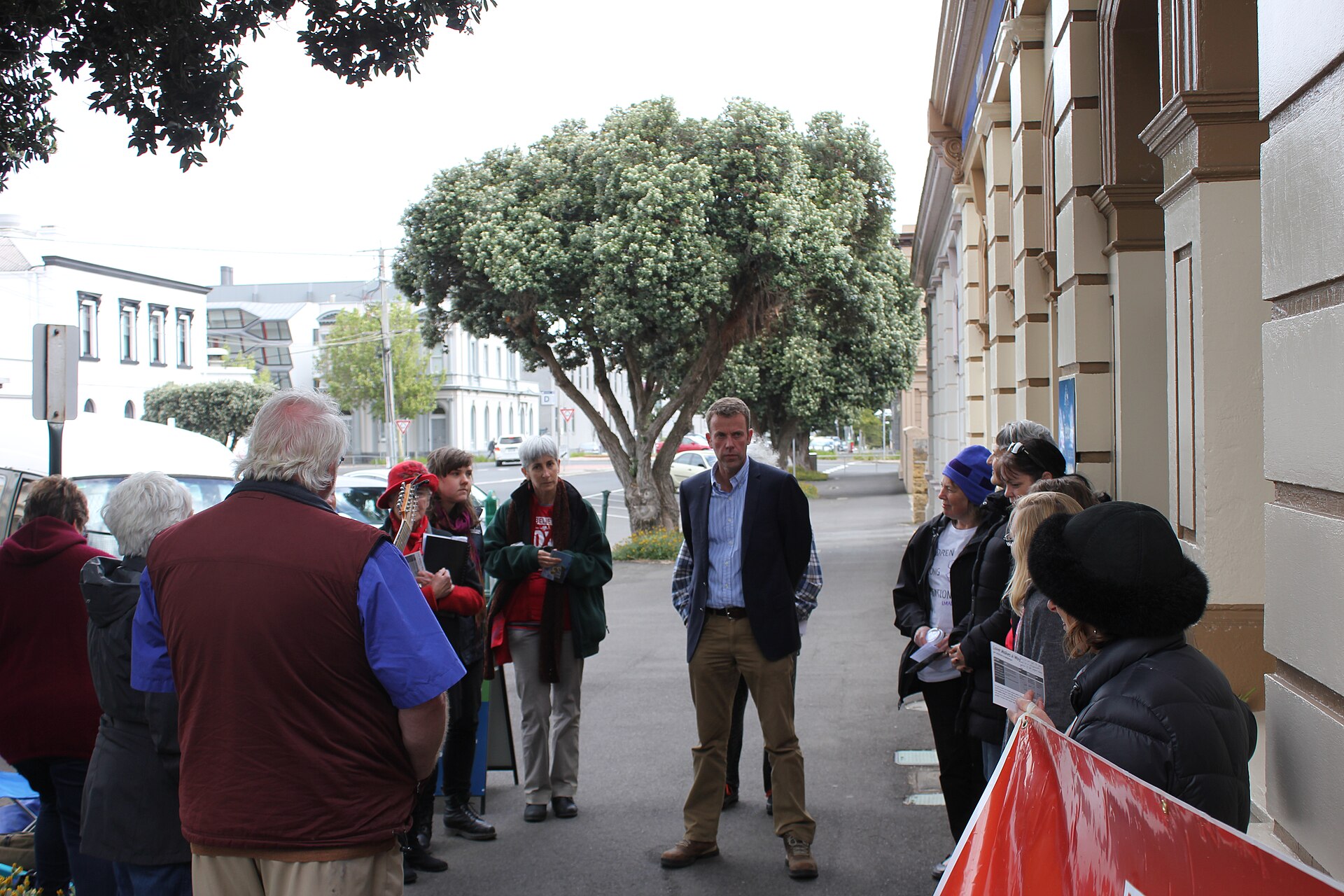
Opposition energy spokesman Dan Tehan says remaining in the climate pact is essential to protect Australian exports from potential foreign trade levies.
The story
Australia risks exposure to international carbon border adjustment mechanisms if the nation withdraws from the Paris Agreement, according to opposition energy spokesman Dan Tehan. Mr Tehan addressed the Coalition's stance on the climate pact during a media appearance, explaining that staying inside the agreement provides a platform to oppose trade charges levied on foreign emissions-intensive goods.
Former prime minister Tony Abbott initially committed Australia to the Paris Agreement in late 2015, followed by formal ratification under Malcolm Turnbull in 2016. However, current Coalition energy policy, which includes abandoning the target of net zero emissions by 2050, has drawn scrutiny regarding its alignment with international commitments.
Mr Tehan stated that the Coalition remains opposed to what he described as green tariffs, arguing that remaining a party to the global pact is necessary to protect national economic interests. He asserted that such tariffs could prove catastrophic for Australian exports if local producers face foreign trade penalties designed to protect domestic industries.
A closer look
Under current international targets, Australia has committed to reducing emissions by 43 percent below 2005 levels by 2030, with a further goal of up to 70 percent by 2035. The Paris Agreement framework does not specify particular energy sources or penalize member nations with fines for falling short of established reduction targets.
In addition to discussing trade policy, Mr Tehan criticized Prime Minister Anthony Albanese's planned travel to Turkiye for the COP31 climate summit. He questioned the necessity of the prime minister's attendance alongside Energy Minister Chris Bowen, who is serving as president of negotiations for the United Nations-organised forum.
This report presents the named publisher’s account and has not yet been independently corroborated.
Continue reading
Politics desk ↗
President Trump offers UFC chief Dana White a role as White House press secretary
Donald Trump posted on Truth Social that he wants UFC CEO Dana White to become the next White House press secretary and suggested several UFC fighters as possible aides; White said he will meet the president to discuss the proposal.

Thailand faces criticism over possible deportation of Uyghur detainees
Human‑rights groups warn that two Uyghur men in Thai immigration detention could be sent back to China, where they fear severe persecution.

Spanish Island of El Hierro Declares Emergency Following Surge in Migrant Boat Arrivals
Local authorities seek assistance from Madrid after thousands of people arrive on boats since the beginning of November.