Tunisia’s economic crisis deepens as the promise of a better life fades
Tunisia's economic crisis worsens as joblessness and rising costs deepen hardship across the country.
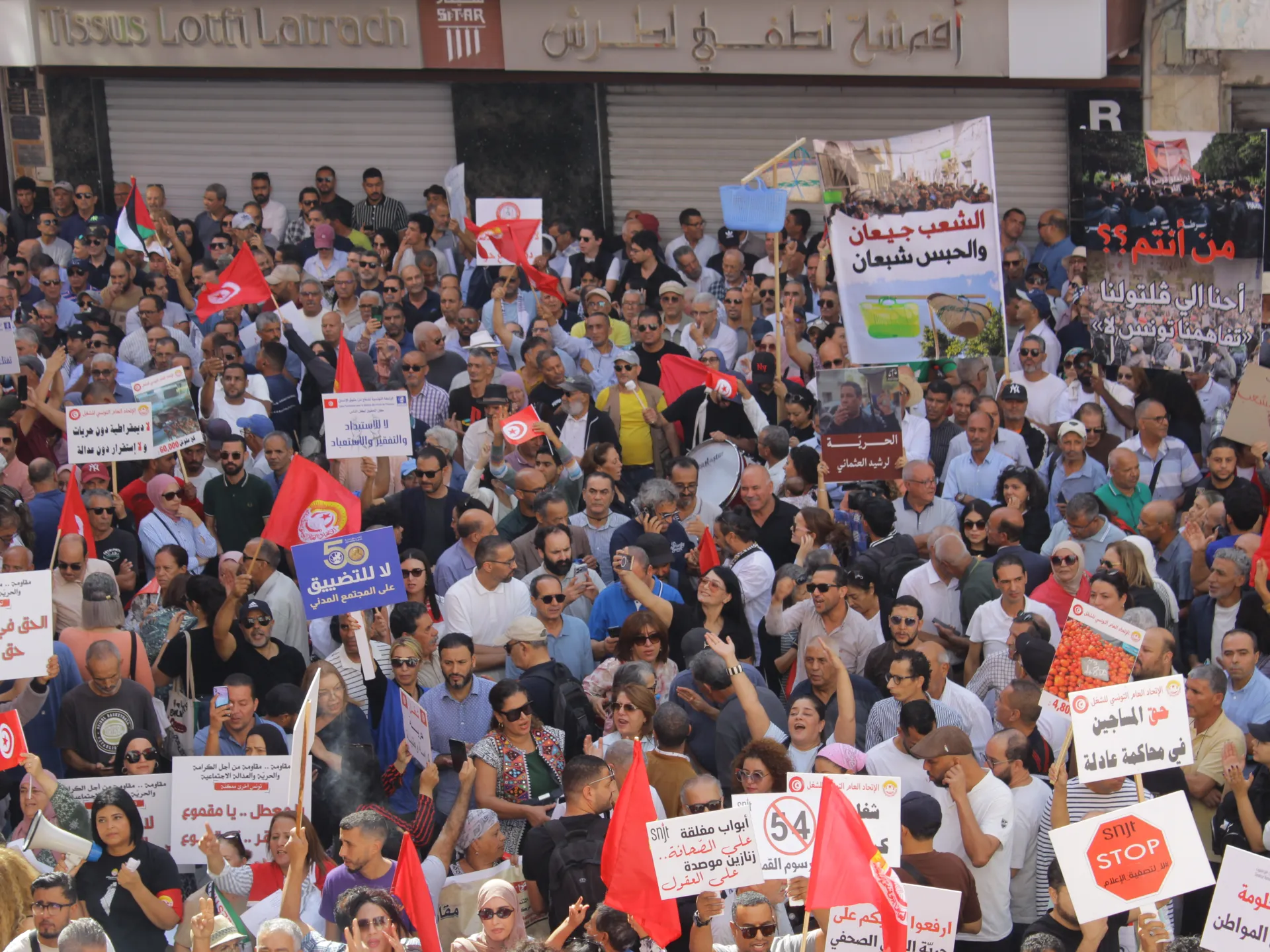
Tunisia's economic crisis worsens as joblessness and rising costs deepen hardship across the country.
The full report
Tunisia is experiencing an economic crisis marked by limited opportunities, mounting financial pressure, and growing frustration with successive governments. According to Al Jazeera English, unemployed university graduates have become a symbol of this crisis, struggling to find work despite their education. Cherine Ghanmi, a university graduate, believed that a degree would offer her family a way out of poverty, but more than a decade after graduating, she remains unemployed. Instead of supporting her parents, she continues to rely on them. Ghanmi's story is not unique, with thousands of other unemployed university graduates facing similar struggles. The struggle to find work has become a symbol of Tunisia's wider economic crisis.
The economic crisis in Tunisia has led to a lack of opportunities, causing frustration among the population. Unemployed university graduates have begun a march, known as the “Dignity March”, to demand jobs and the implementation of legislation intended to provide a clear path to public-sector employment. The march began with 23 participants and grew to more than 120 as more graduates joined along the route. The journey was physically demanding, with participants pausing at points due to exhaustion and injuries. On October 6, police blocked the group from moving forward in the town of Borj Cedria, south of Tunis.
The Dignity March is an expression of the hardship and disappointment experienced by graduates who have spent years searching for work. Many protesters say they have waited years for promises of public-sector recruitment to translate into real opportunities. Their demands came amid broader discontent over Tunisia's economic and political direction. The economic crisis in Tunisia is not limited to joblessness, but also includes failing services and rising costs. This has deepened hardship across the country, making it difficult for people to make ends meet.
The economic crisis in Tunisia is a complex issue that requires a comprehensive solution. The government needs to address the root causes of the crisis, including limited opportunities and mounting financial pressure. This can be achieved by implementing policies that promote economic growth, create jobs, and improve living standards. The Dignity March is a manifestation of the people's frustration with the current economic situation, and it is up to the government to address their demands and provide a better future for the people.
This report presents the named publisher’s account and has not yet been independently corroborated.
Continue reading
World desk ↗
Two dead after light aircraft crash
Two people killed in light aircraft crash near Loch Lomond in Scotland.
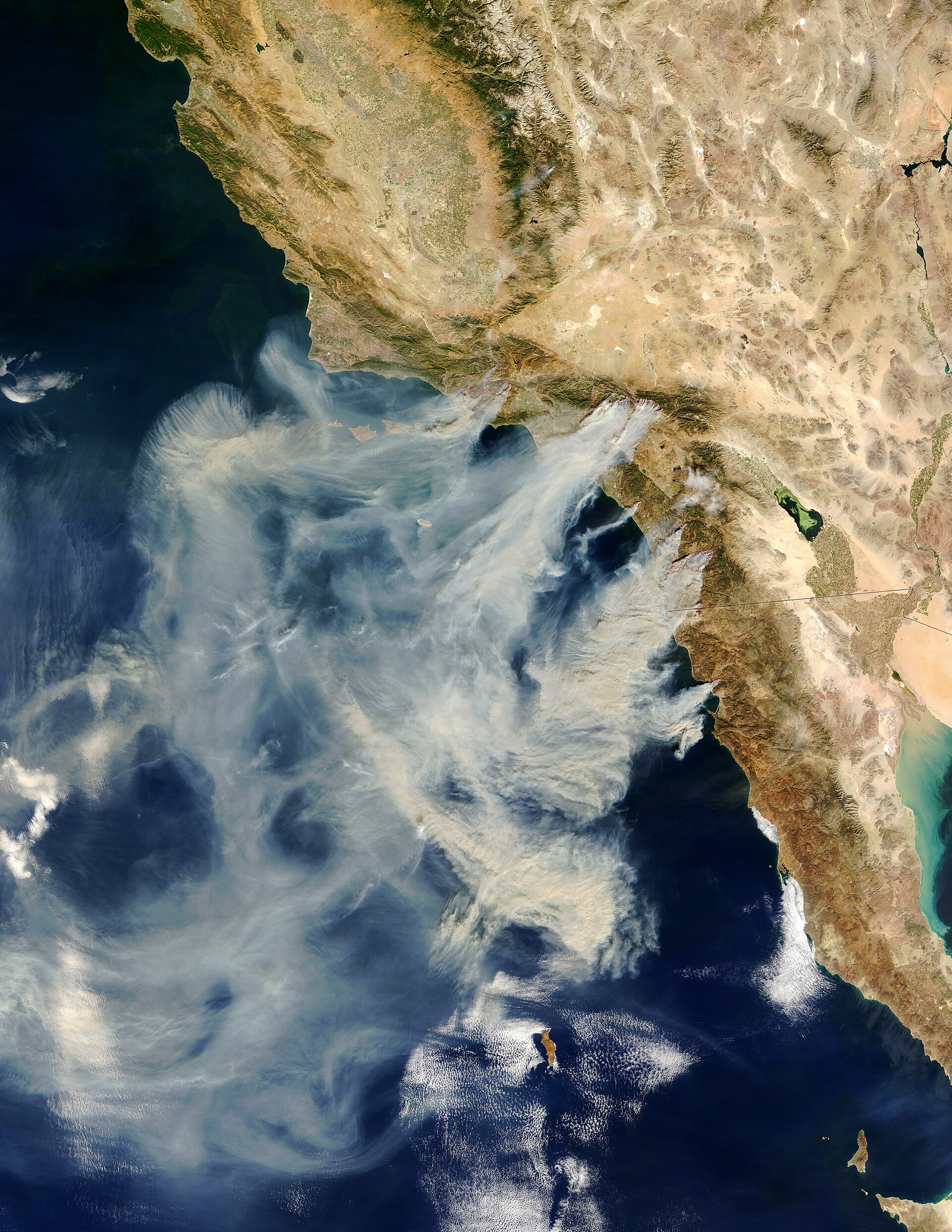
US: Homes burned in California as wildfires rage
Wildfires rage in California, burning homes and forcing evacuations

Live: France's Yellow Vests throw their weight behind mounting student protests
France's Yellow Vests throw their weight behind student protests