
Australian Authorities Clarify Disaster Readiness Guidance Amid International Stockpiling Trends
Experts highlight community connection over hoarding as federal and state agencies outline region-specific emergency advice.

Experts highlight community connection over hoarding as federal and state agencies outline region-specific emergency advice.
The story
Federal authorities have clarified that households in Australia are not advised to assemble emergency stockpiles of food and essential goods, distinguishing the nation's approach from recent campaigns launched in other countries. The National Emergency Management Agency addressed the issue following a fraudulent social media request falsely attributed to Prime Minister Anthony Albanese.
A spokesperson for the National Emergency Management Agency stated that Australia faces distinct risk profiles compared to regions like the United Kingdom. Bushfires, floods, tropical cyclones, severe storms, heatwaves and drought create diverse regional challenges, requiring preparedness guidance that reflects local conditions across remote, regional and culturally diverse communities.
While blanket stockpiling is not government policy, Australian jurisdictions have long maintained region-specific advice regarding natural disasters. State authorities such as NSW Health and the Victorian government encourage residents in hazard-prone areas to maintain emergency kits and essential pantry items. Recommended supplies include first aid equipment, prescription medications, bottled water, portable radios, torches, identification documents, and emergency power sources.
A closer look
The Australian Red Cross provides household planning resources, including a mobile application to help families prepare for various hazards. Nichola Krey, the director of recovery and resilience at the Australian Red Cross, emphasized that avoiding panic remains a central component of effective disaster readiness.
The popularity of preparedness and survivalism has increased globally since the Covid-19 pandemic began in 2020. However, researchers differentiate between general emergency readiness and extreme or conspiracy-driven survivalist practices. Experts argue that building strong community networks offers greater resilience against disruptions than accumulating excessive household supplies.
This report presents the named publisher’s account and has not yet been independently corroborated.
Continue reading
Politics desk ↗
US President Donald Trump Publicly Asks UFC Chief Executive Dana White to Take White House Press Secretary Role
United States President Donald Trump has publicly invited Ultimate Fighting Championship boss Dana White to serve as White House press secretary, prompting an online response from the fight promoter.
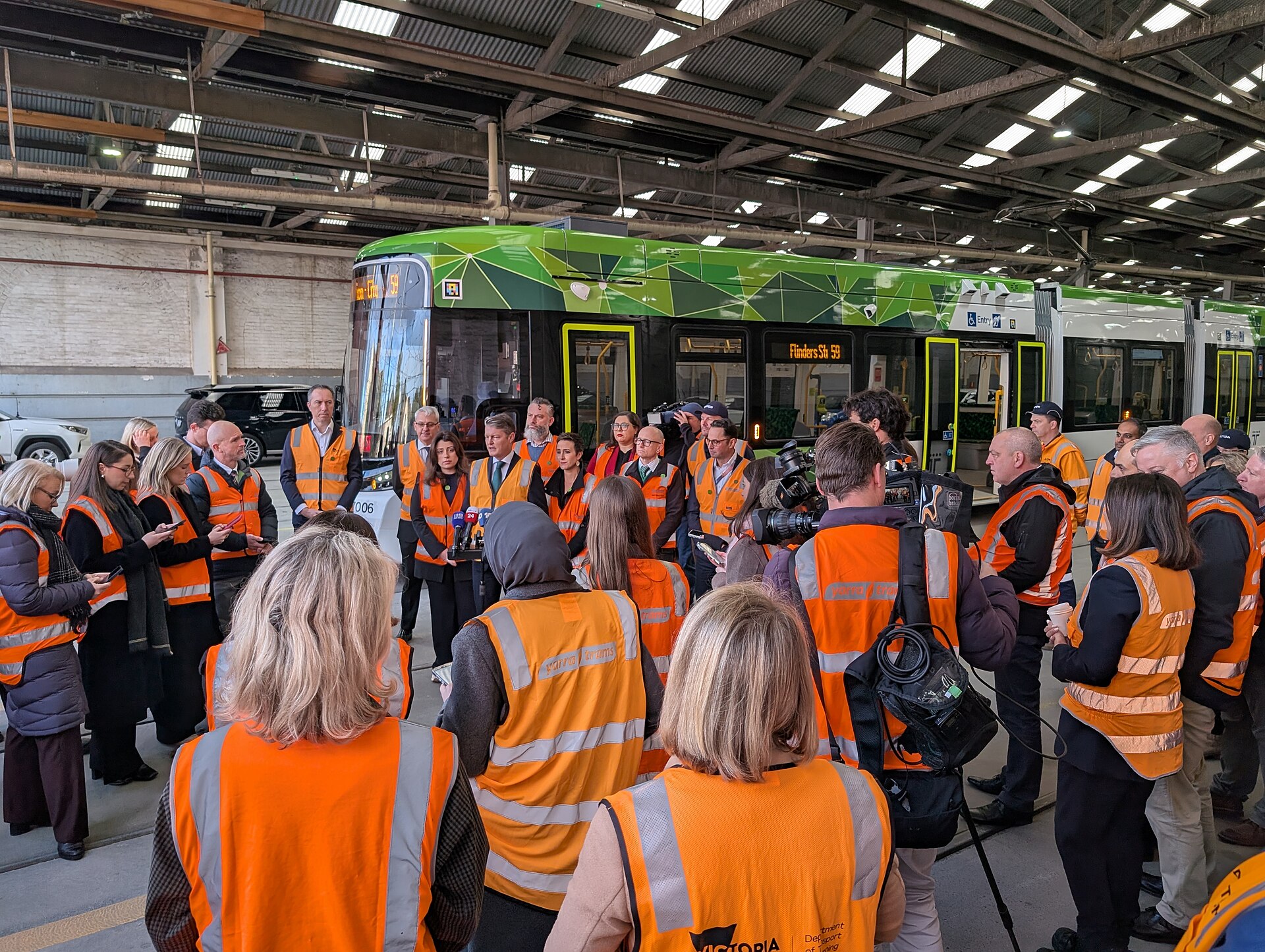
Victoria Faces Unprecedented Inquiry as Infrastructure Royal Commission Starts
Public hearings for a state-ordered corruption inquiry are set to begin during the Victorian election campaign, presenting both political risks and a strategic reset for the Labor government.
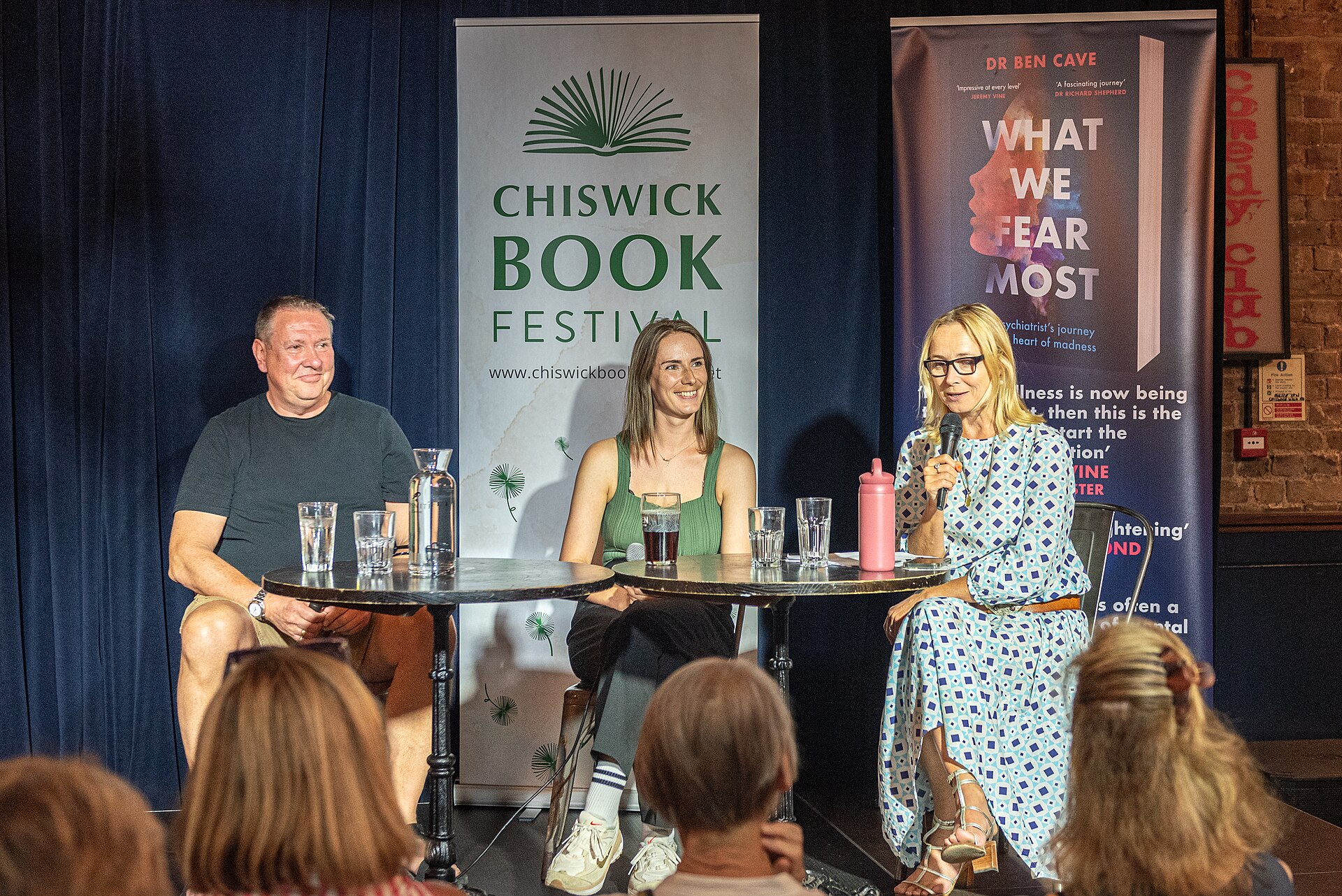
Forensic Psychiatrist Calls for Overhaul of Mental Health Care in New South Wales Prisons
A leading forensic psychiatrist argues that Corrective Services NSW should relinquish mental health management to Justice Health following an investigation into systemic care failures.