
Pakistan to Send First Foreign National to Chinese Space Station
A Pakistani astronaut has been selected for the upcoming Shenzhou-24 mission, marking the first time a foreign national will visit China's orbital station.
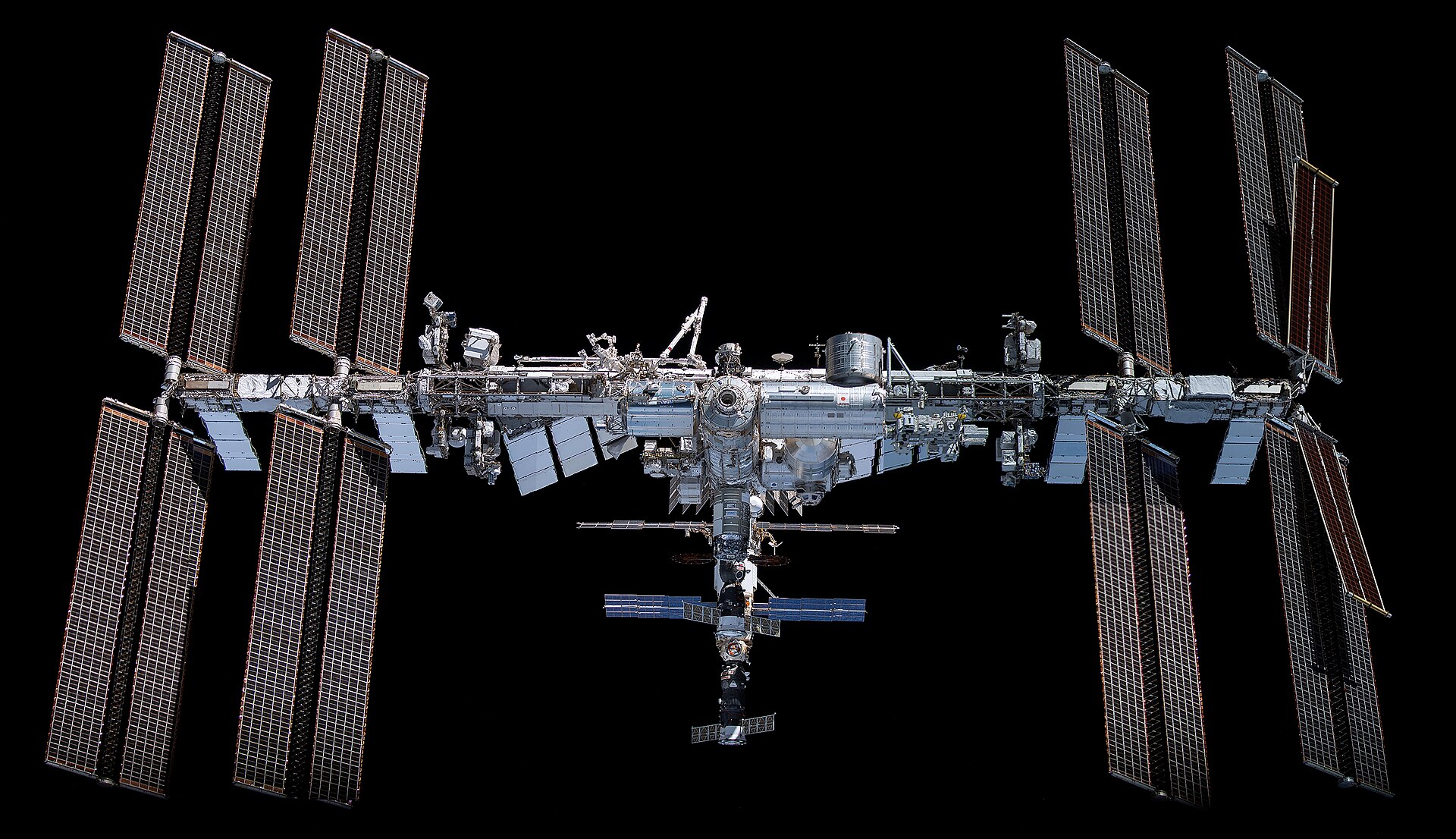
A Pakistani astronaut has been selected for the upcoming Shenzhou-24 mission, marking the first time a foreign national will visit China's orbital station.
The story
China's Manned Space Agency has selected a Pakistani astronaut to serve as a payload specialist on the upcoming Shenzhou-24 mission. According to Chinese state media reports, the individual will become the first foreign national to visit China's space station.
The placement forms part of bilateral cooperation under Beijing's Belt and Road Initiative. Pakistan and China signed an agreement in February establishing a Chinese government-led program to train Pakistani astronauts. Two Pakistani pilots, Zeeshan Ali and Khurram Daud, previously spent months undergoing training at the China Astronaut Research and Training Center in Beijing.
The training curriculum includes intensive Chinese language lessons and practical operational exercises. Following a short-term in-orbit flight, the participating astronaut is scheduled to return to Earth aboard the Shenzhou-23 spacecraft, according to Beijing's China Central Television.
A closer look
While an exact departure date has not been announced by Chinese authorities, the mission is anticipated to take place before the end of the year. China and Pakistan maintain longstanding strategic and diplomatic ties, with China serving as Pakistan's largest trading partner and a principal foreign investor.
Beyond the orbital flight, the China National Space Administration plans to deploy Jinnah-1, which is Pakistan's inaugural lunar rover. Weighing 35kg and equipped with specialized scientific instruments, the rover is designed to analyze lunar soil composition, radiation, and plasma behavior.
China has invested significantly in its space capabilities in recent years with the goal of landing astronauts on the Moon by 2030. Concurrently, space agencies from the United States, Russia, and China are pursuing initiatives to establish nuclear reactors on the lunar surface to power future bases and resource mining.
This report presents the named publisher’s account and has not yet been independently corroborated.
Continue reading
Politics desk ↗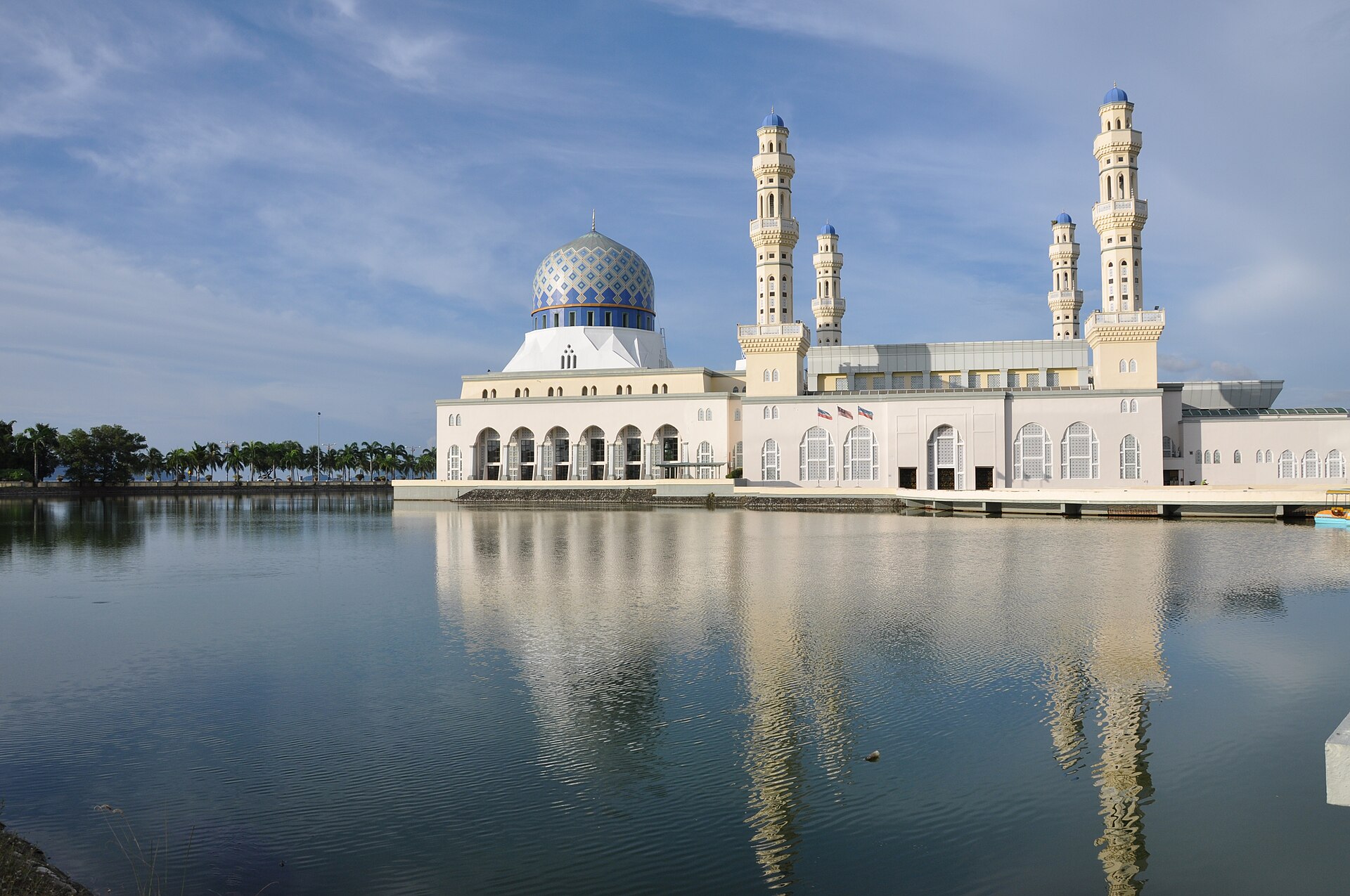
Resource Pressures Slow Down Rapid Datacentre Expansion Across South-East Asia
Growing demand for artificial intelligence infrastructure has driven major investments across south-east Asia, but resource constraints and regulatory pauses are slowing the boom.

The Evolution of the Plain Black T-Shirt as a Modern Political Wardrobe Choice
Fashion experts and political observers examine how the plain black garment has transitioned from a basic undergarment to a deliberate sartorial signal for political figures internationally.
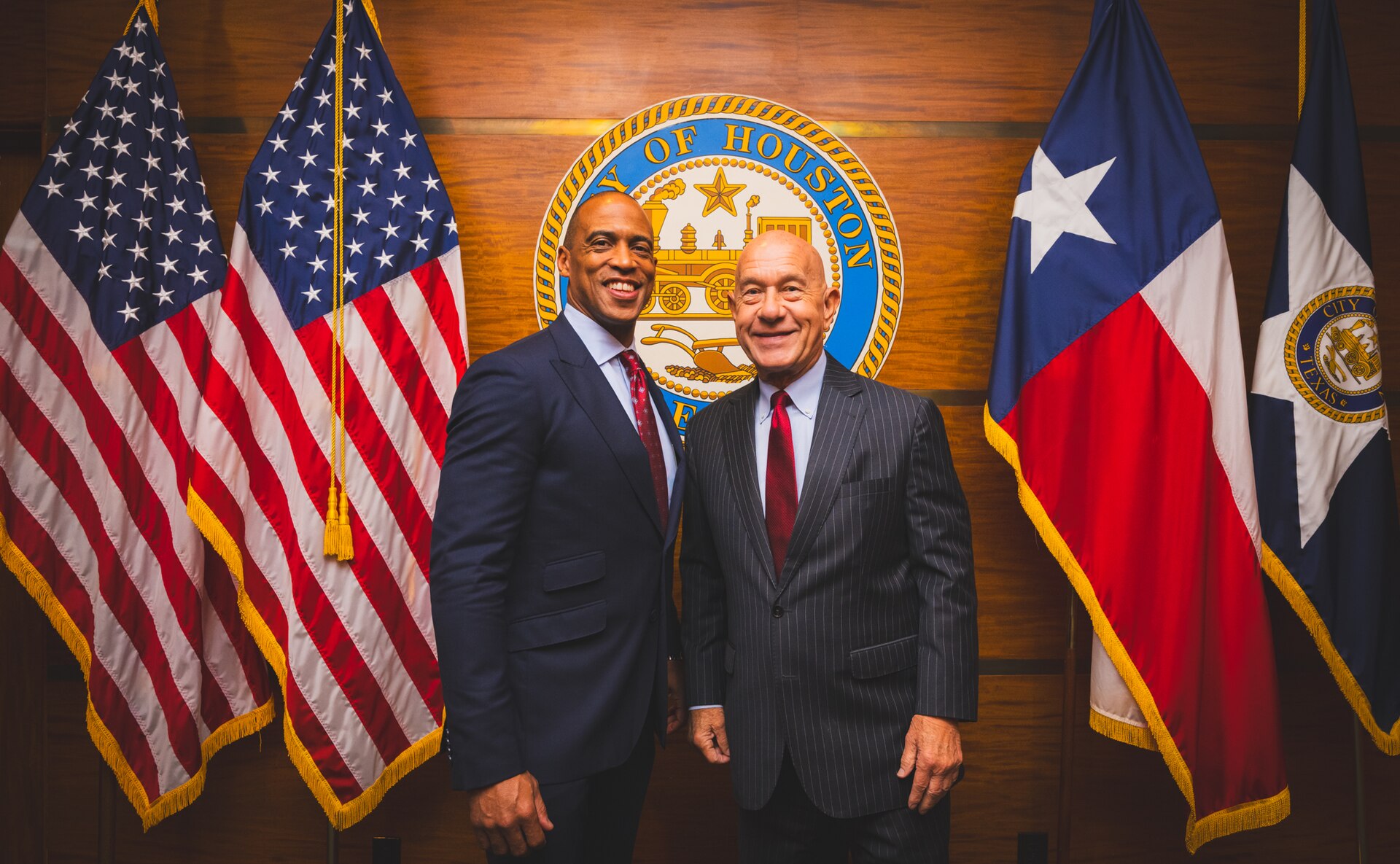
Houston Mayor Restricts Police Cooperation With Federal Immigration Enforcement
Mayor John Whitmire has signed an executive order limiting when city police can contact federal immigration authorities following recent political shifts in Texas.