
Resource Pressures Slow Down Rapid Datacentre Expansion Across South-East Asia
Growing demand for artificial intelligence infrastructure has driven major investments across south-east Asia, but resource constraints and regulatory pauses are slowing the boom.
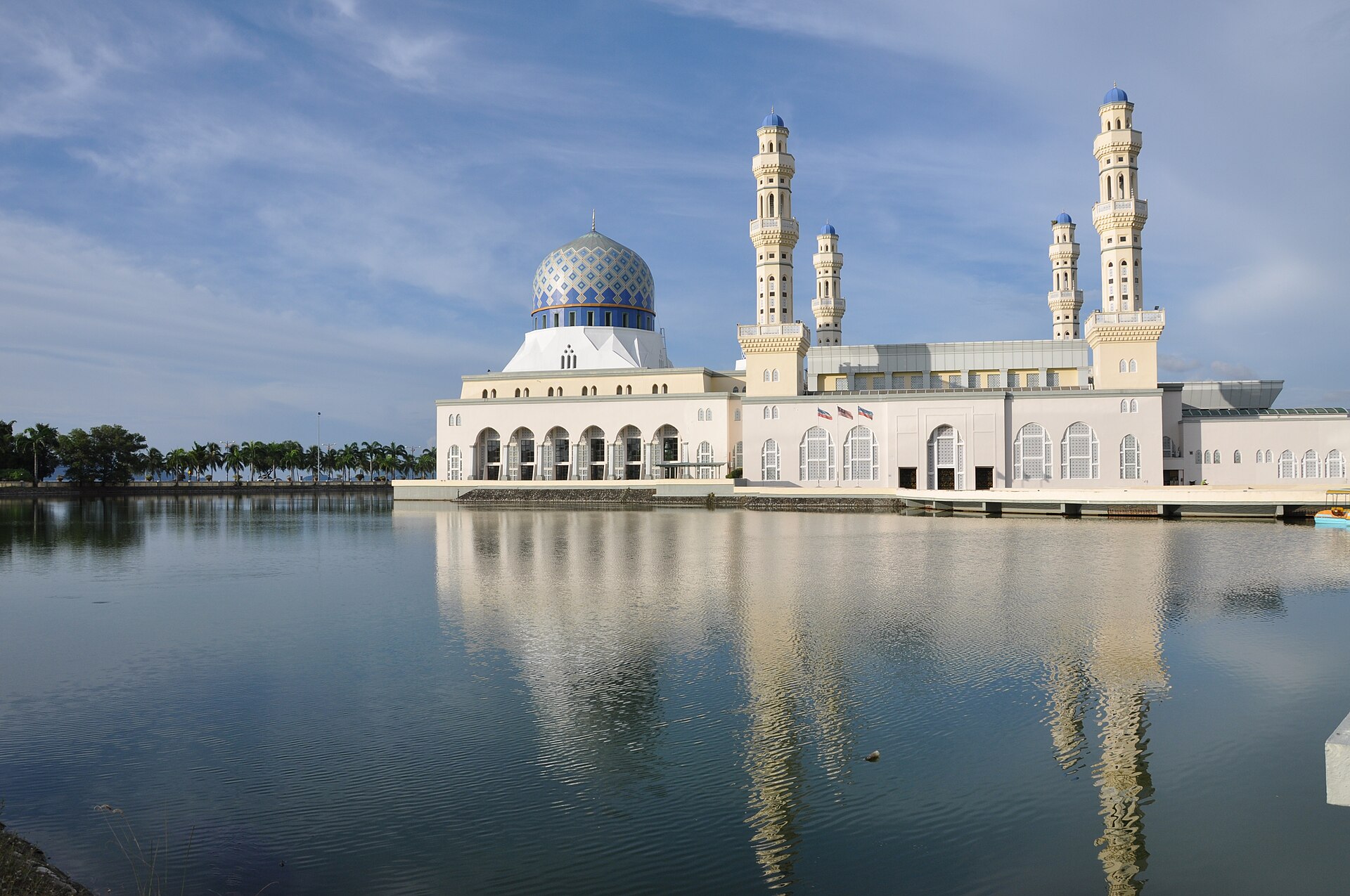
Growing demand for artificial intelligence infrastructure has driven major investments across south-east Asia, but resource constraints and regulatory pauses are slowing the boom.
The story
South-east Asia has emerged as a significant growth center for datacentre capacity in the Asia Pacific region, driven by the global rise in artificial intelligence usage and large investments from major technology companies. According to a 2026 report by real estate firm Cushman and Wakefield, the region holds approximately 50 percent of the under-construction datacentre capacity in the Asia Pacific area.
The rapid expansion has encountered hurdles regarding resource availability, particularly concerning electricity and water consumption. In Thailand, the board of investment had previously announced approvals for major projects totaling $27 billion in early 2026. However, authorities paused construction on 49 projects and halted approval decisions on 117 additional proposals in September 2026 amid concerns over regulation and monitoring frameworks. Thai energy minister Akanat Promphan noted that the facilities demand substantial power generated from costly imported gas.
Regulatory actions have also affected neighboring Indonesia, where the governor of West Java halted construction on a datacentre due to incomplete environmental assessments and a lack of required permits. Despite such pauses, Indonesia maintains a development pipeline of 1,699 megawatts in greater Jakarta, develops the island of Batam as a secondary hub, and hosts Microsoft investments alongside expansions by regional operators.
A closer look
Malaysia has become a primary beneficiary of the regional shift, particularly in the southern state of Johor. State government head Onn Hafiz Ghazi reported that Johor attracted $40 billion in datacentre investment by 2026, with operational capacity growing tenfold from 94 megawatts in 2023 to 1,110 megawatts in 2026. Major global technology firms and operators, including Microsoft and Australian company AirTrunk, have committed multi-billion-dollar investments to the area.
The surge in energy demand has raised concerns about local resource constraints. Energy consultancy Wood Mackenzie estimated that datacentres in Johor currently account for 24 percent of the state's total power consumption, a figure projected to reach 40 percent by 2035. Researchers warn that the rapid development risks causing localized grid bottlenecks and necessitating significant infrastructure upgrades.
The regional trend follows earlier developments in Singapore, which served as south-east Asia's leading hub through the 2010s before implementing a moratorium on new facilities between 2019 and 2022 due to heavy water and electricity consumption. Singapore has since maintained selective approvals amid land constraints and sustainability requirements, prompting companies to look to neighboring nations for expansion.
This report presents the named publisher’s account and has not yet been independently corroborated.
Continue reading
Politics desk ↗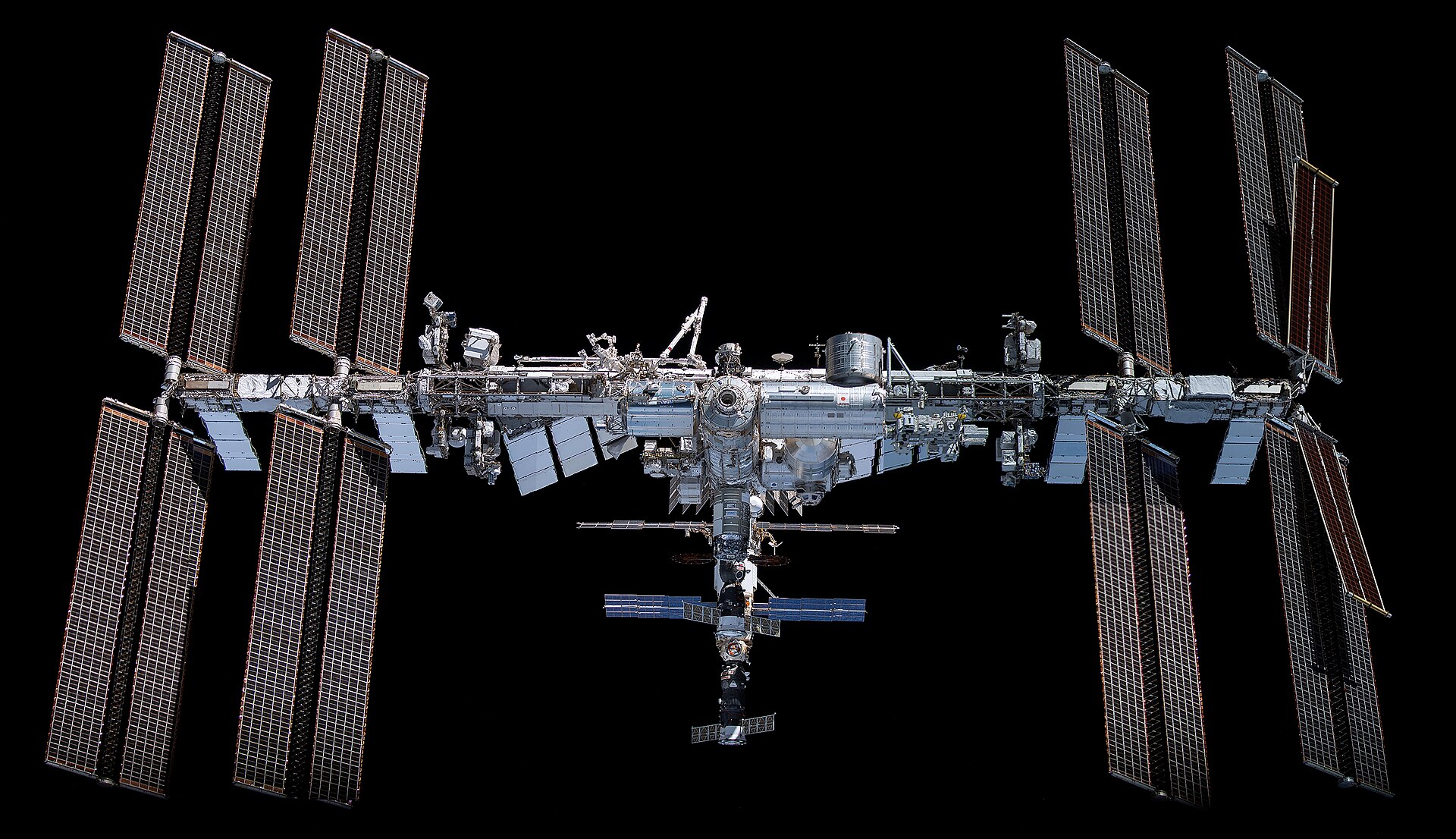
Pakistan to Send First Foreign National to Chinese Space Station
A Pakistani astronaut has been selected for the upcoming Shenzhou-24 mission, marking the first time a foreign national will visit China's orbital station.

The Evolution of the Plain Black T-Shirt as a Modern Political Wardrobe Choice
Fashion experts and political observers examine how the plain black garment has transitioned from a basic undergarment to a deliberate sartorial signal for political figures internationally.

Houston Mayor Restricts Police Cooperation With Federal Immigration Enforcement
Mayor John Whitmire has signed an executive order limiting when city police can contact federal immigration authorities following recent political shifts in Texas.