
Michigan Democratic Representative Haley Stevens Endorses Republican Mike Rogers in Senate Race
Sitting Democratic congresswoman Haley Stevens has crossed party lines to endorse Republican candidate Mike Rogers in Michigan's crucial US Senate contest following a public rift with her party's nominee, Abdul El-Sayed.
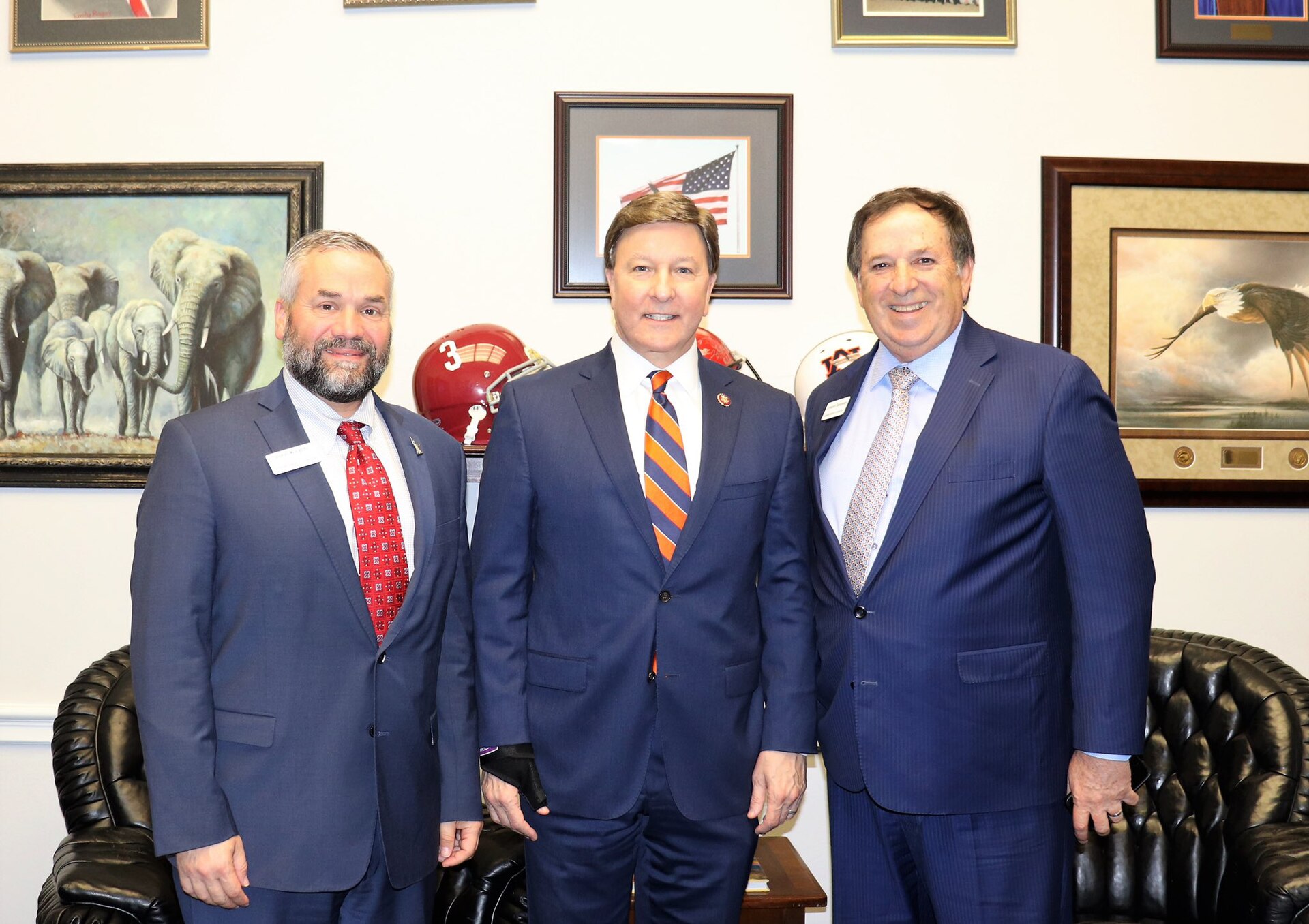
Sitting Democratic congresswoman Haley Stevens has crossed party lines to endorse Republican candidate Mike Rogers in Michigan's crucial US Senate contest following a public rift with her party's nominee, Abdul El-Sayed.
The story
Democratic US Representative Haley Stevens has endorsed Republican candidate Mike Rogers in Michigan's competitive Senate race. The announcement followed an escalating dispute between Stevens and the Democratic nominee, Abdul El-Sayed, just days before the election.
Stevens made a surprise appearance alongside Rogers at a Detroit church service on Sunday. In a video posted to social media platform X shortly after the appearance, Stevens stated that she did not belong in El-Sayed's campaign.
"Who we are as Michiganders is not hate and is not what we are getting out from our Democratic nominee right now," Stevens said. She told reporters that El-Sayed had made it clear she was not welcome or needed in his campaign after she was reportedly asked not to attend a scheduled joint event on Sunday.
A closer look
The rift between the two Democrats followed a public clash over a campaign advertisement from an outside liberal group that blamed Israel for high food prices. While El-Sayed criticized the advertisement and stated he had no involvement in its contents, tensions between the former primary opponents persisted.
When asked about the endorsement, El-Sayed told reporters that his focus remained on the problems facing Michiganders. "At the end of the day, I don't think about Haley Stevens," he said on Sunday. "None of this matters."
The Michigan Senate seat is currently held by a retiring Democrat, and analysts consider the contest to be one of the tightest in the midterm elections, playing a critical role in determining control of the US Senate.
Read the source reports and compare their framing:
Continue reading
Politics desk ↗
Nationals Leader Matt Canavan Pursues Lower House Transition in Capricornia
Senator Matt Canavan confirms plans to leave the Senate to seek preselection for the Central Queensland seat of Capricornia, facing potential competition from One Nation.

US Senator Chris Murphy Hospitalized Following Stroke
Connecticut Democrat Chris Murphy is recovering at Johns Hopkins Hospital after experiencing a stroke over the weekend.

Federal Judge Blocks Administration Demands on Disputed Ballots Ahead of Midterms
A California federal judge has ordered the Department of Justice to halt threats of criminal charges against local and state election officials regarding ballot processing.