
Karnataka Alleges High Ethanol Blending in Petrol Samples and Seeks Central Explanation
Laboratory tests commissioned by the Karnataka government show ethanol levels in petrol reaching up to 31.2 percent, prompting concerns over vehicle performance and consumer costs.
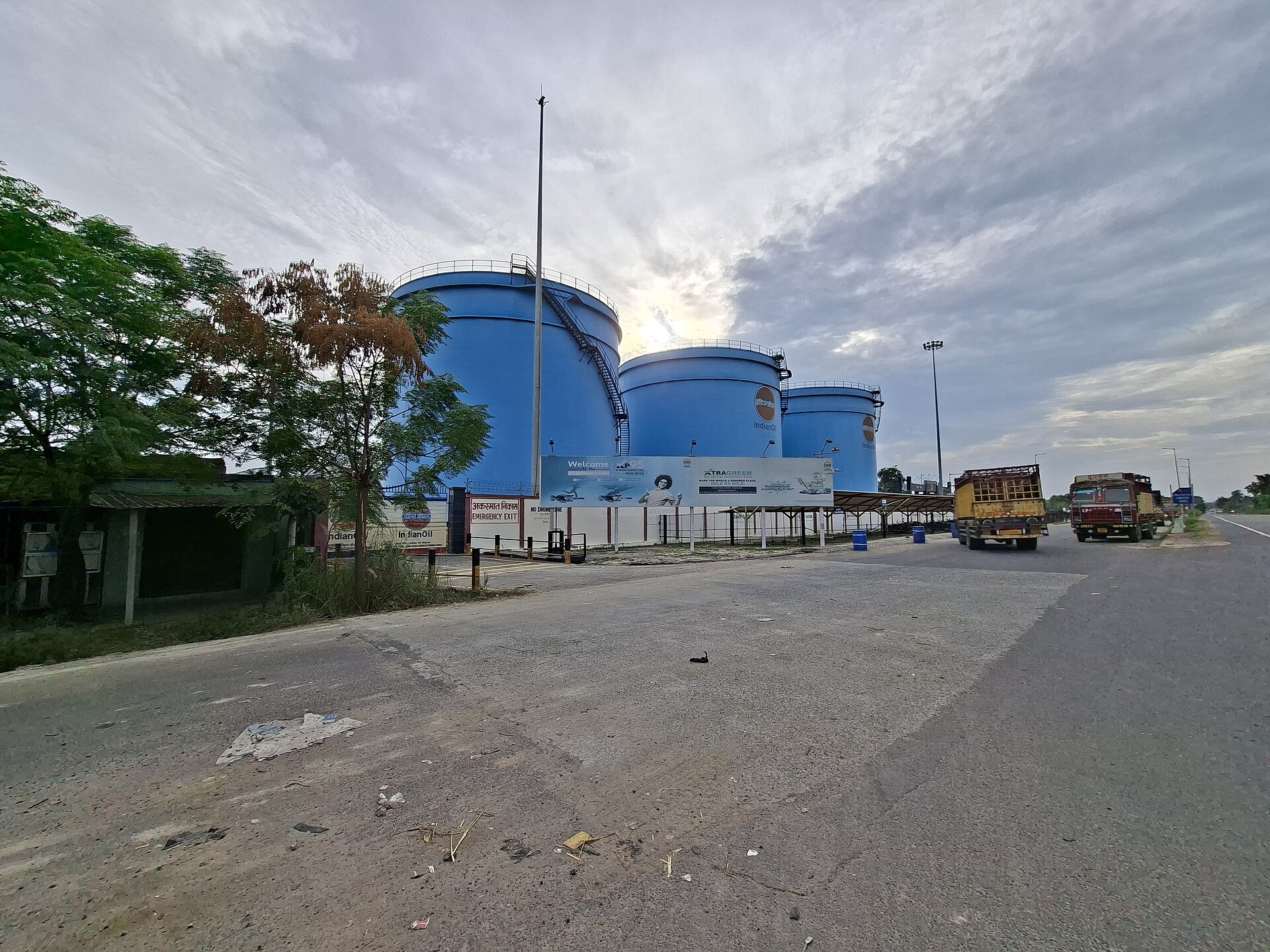
Laboratory tests commissioned by the Karnataka government show ethanol levels in petrol reaching up to 31.2 percent, prompting concerns over vehicle performance and consumer costs.
The story
The Karnataka government has stated that laboratory tests of petrol samples collected across the state revealed ethanol blending levels exceeding the prescribed 20 percent limit, reaching as high as 31.2 percent. Food and Civil Supplies Minister Rizwan Arshad announced the findings during a press conference on Friday, November 6, following tests conducted on 63 petrol samples gathered from locations including Bengaluru, Kolar, Chikkaballapura, Bengaluru Rural, Ramanagara, Mangaluru, and Tumakuru.
According to the state's findings, samples originating from major fuel providers—including Indian Oil Corporation Limited, Hindustan Petroleum Corporation Limited, Bharat Petroleum Corporation Limited, Nayara Energy, Shell, and Mangalore Refinery and Petrochemicals Limited—exceeded the 20 percent threshold in multiple instances. The highest recorded level reached 31.2 percent in an Indian Oil Corporation Limited sample, followed by 30.5 percent in a Hindustan Petroleum Corporation Limited Power sample. Other recorded levels ranged from 20.6 percent to 27 percent, while the lowest recorded level was 13.5 percent.
Mr. Arshad stated that the state initiated testing after receiving complaints from motorists regarding decreased mileage and frequent vehicle repairs. The samples were initially submitted to in-house laboratories operated by oil marketing companies, but the reports did not specify ethanol content. After questionnaires sent to the companies yielded no answers regarding ethanol percentages, the state sent the samples to private laboratories accredited by the National Accreditation Board for Testing and Calibration Laboratories.
A closer look
The state government estimated that consumers could face an annual financial burden of nearly Rs 1.01 lakh crore resulting from reduced fuel efficiency and repair costs. This calculation includes an estimated Rs 62,000 crore annual loss attributed to a 10 percent reduction in mileage, alongside Rs 39,000 crore in vehicle repair expenses. Furthermore, the minister raised concerns regarding dispensing infrastructure, noting that certain dispensing units installed at petrol stations are certified for ethanol blends of only up to 15 percent.
Mr. Arshad stated that approximately 99 percent of India's 35 crore vehicles are not designed to handle ethanol blends exceeding 20 percent, noting that vehicles manufactured after April 2023 are certified exclusively for E20 fuel. Modern Bharat Stage 6 vehicles have been updated by manufacturers to operate on E20 fuel, though the transition can still cause decreased mileage. According to a 2021 NITI Aayog report, vehicles built for E20 may experience a 1 to 2 percent reduction in mileage, while older cars could see a drop of 6 to 7 percent and older two-wheelers a reduction of 3 to 4 percent.
This report presents the named publisher’s account and has not yet been independently corroborated.
Continue reading
Politics desk ↗
Amateur Cricketer Banned and Club Penalized Following Viral Deception Incident
An amateur cricketer involved in a widely shared video tricking an umpire with finger clicks has received a multi-year ban, while his team faces relegation and financial penalties.
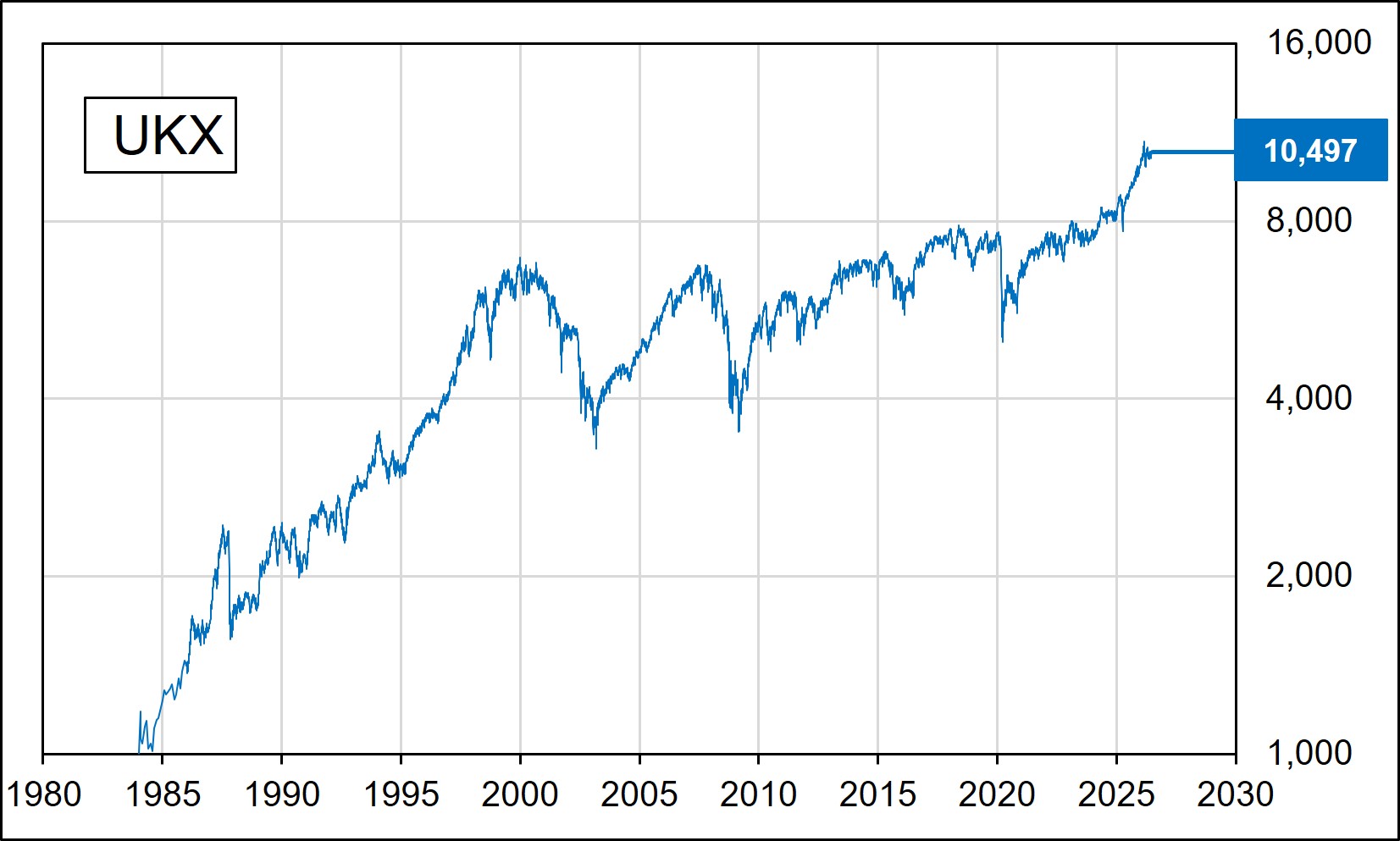
Global Tech Stocks Plunge Amid AI Regulatory Fears Following US Midterm Elections
Trillions of dollars in market value evaporated across US, European, and Asian exchanges as Democratic midterm victories raised concerns over potential artificial intelligence curbs.
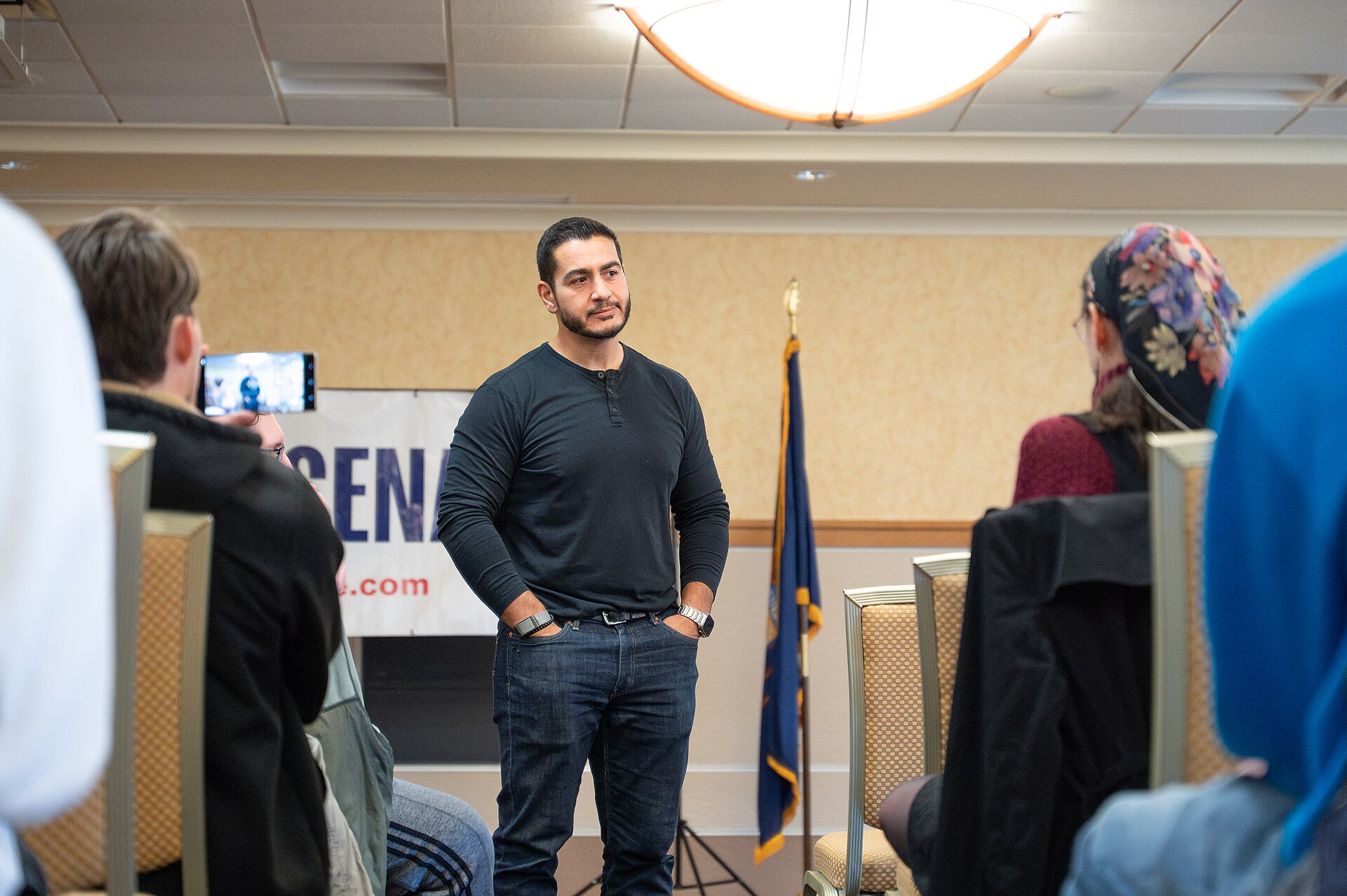
Abdul El-Sayed Wins Michigan Senate Race to Become First Muslim US Senator
The physician and former Detroit health director defeated Republican Mike Rogers in Michigan, securing a historic win that makes him the first Muslim elected to the United States Senate.