
Widespread Security Alerts Disrupt European Commercial Aviation
Fighter jets and bomb disposal teams deploy across multiple European nations as a series of bomb threats impact flights from 16 countries.
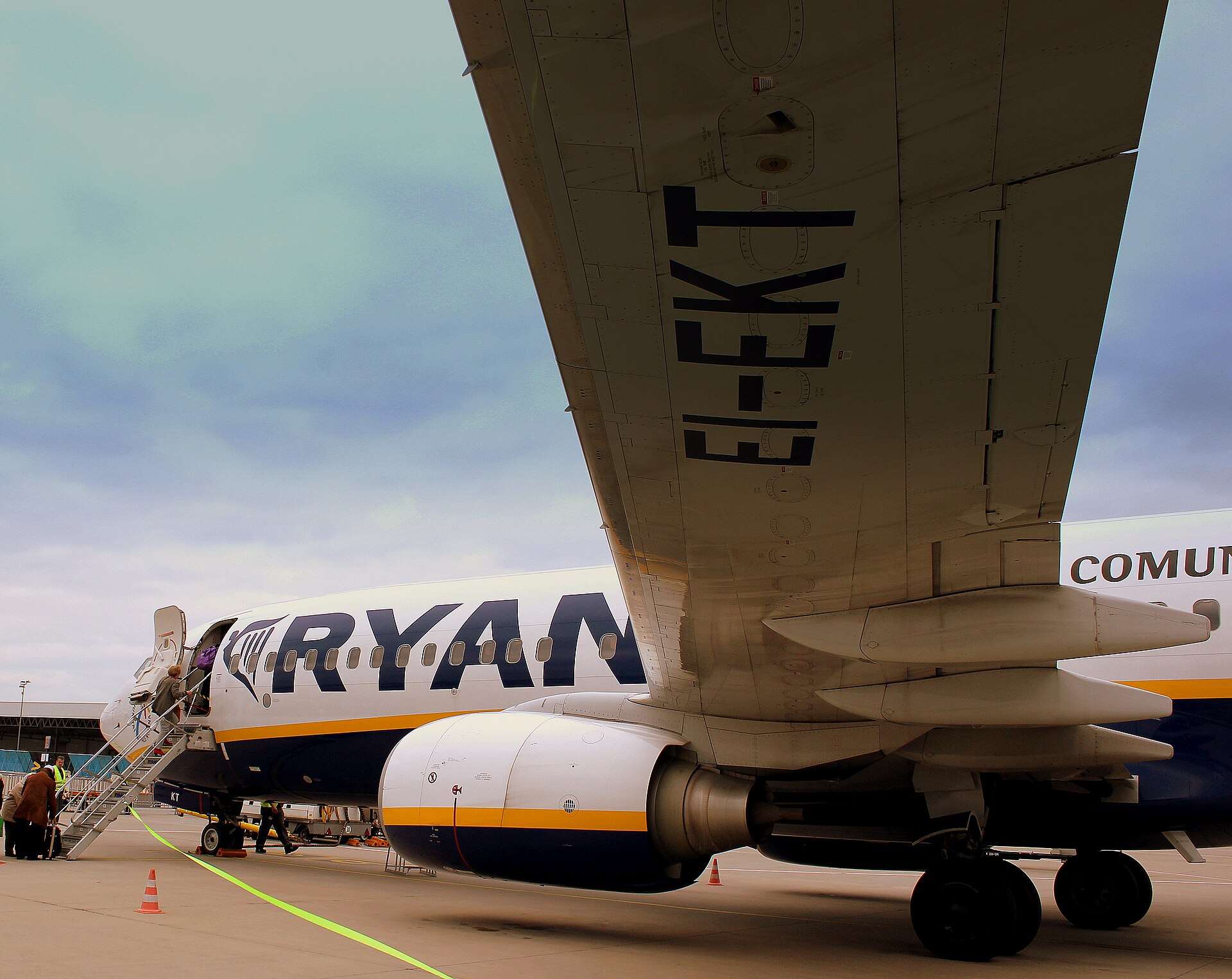
Fighter jets and bomb disposal teams deploy across multiple European nations as a series of bomb threats impact flights from 16 countries.
The story
Commercial aviation across Europe experienced significant disruptions as a wave of bomb threats prompted authorities to deploy military fighter jets, ground aircraft, and divert flights. The security incidents mark the second major outbreak of false alerts within a single week, affecting departures originating from 16 different countries, including Ireland, the United Kingdom, Spain, and Denmark.
Al Jazeera English reported that security inspections conducted following the threats have discovered no explosives or suspicious materials on board any of the affected aircraft. Authorities confirmed that no passengers have reported sustaining any injuries during the security operations.
Specific incidents on Friday included a Ryanair flight that landed in Lisbon, Portugal, following a telephoned bomb threat reported by Italian media. In a separate incident, the control tower at Fiumicino in Italy received an alert regarding a device aboard a Wizzair flight travelling from Paris to Rome. That aircraft was diverted to Venice, where police secured the surrounding area.
A closer look
Joji Waites, director of flight safety, policy and regulation at the British Airlines Pilots’ Association, explained that airlines utilise standard assessment teams when notified of potential threats. These assessors grade the threat as credible, partially credible, or not credible. Waites noted that a partially credible assessment is not considered appropriate while an aircraft is airborne. Following a threat, planes are directed away from airport buildings, passengers are disembarked and screened, and border police utilise sniffer dogs to inspect the vessel, according to an airport official.
The recent wave follows earlier incidents this week, which included the diversion of a UK-to-Bulgaria flight on Monday and seven additional aircraft searches or diversions on Tuesday due to malicious hoax alerts. European cities have also experienced separate cyberattacks targeting supermarket refrigeration systems.
Philip Baum, a visiting professor of aviation security at Coventry University, stated that the scale and coordinated nature of the disruptions are unusual. While individual airlines routinely receive bomb threats that are quickly dismissed, Baum observed that the current situation differs because authorities are treating the threats with sufficient credibility to force landings and thorough inspections. Baum estimated that each individual flight disruption can cost airlines as much as $250,000.
This report presents the named publisher’s account and has not yet been independently corroborated.
Continue reading
Defence desk ↗
European Air Travel Disrupted by Wave of Hoax Bomb Threats
Authorities across multiple European nations respond to security alerts affecting at least 21 aircraft and several airports, which the United Kingdom describes as a malicious hoax.

Indian Ship Captain Faces UK Prosecution in Unprecedented Sanctions Case
The arrest of merchant navy officer Ajay Pant by British forces for alleged sanctions violations marks the first time a European nation has jailed a captain under such grounds.

Federal Judge Temporarily Halts Construction of Proposed Washington Arch
A United States federal judge has issued a 14-day restraining order blocking work on President Donald Trump’s planned 250-foot triumphal arch, hours after the project received planning commission approval.