Isabel Allende wins €1m Spanish literary prize under pseudonym
Isabel Allende wins €1m Spanish literary prize under pseudonym
Isabel Allende wins €1m Spanish literary prize under pseudonym
The full report
Chilean-American author Isabel Allende has won Spain's €1m (£843,000) Premio Planeta, one of the world's most lucrative literary prizes, under a pseudonym. The 75th edition of the award was won by Allende with La hora antes del alba, a sequel to her 1982 debut novel, The House of the Spirits, according to The Guardian — World.
The new story follows Alba, the granddaughter of Esteban Trueba and Clara del Valle, as she tries to recover from imprisonment and torture during Pinochet's dictatorship, according to Reuters. Allende said the book would bring the universe of The House of the Spirits to a close.
Allende entered the competition under the name Luz Ventura, with the fictional title Los que faltan. However, the judges may have been able to pick up on Allende's style. Prof Duncan Wheeler, the chair of Spanish studies at Leeds University, said, 'I'd be very surprised if the judges did not know that it was Isabel Allende.'
The Premio Planeta is open to unpublished manuscripts, with the option of submitting under a pseudonym. Allende's win marks a significant coup for Planeta, as she has been published by Plaza & Janés, an imprint of Penguin Random House, since The House of the Spirits.
Allende's win has been met with praise, with the author saying it was 'like winning the Nobel'. She also drew parallels between the political circumstances surrounding the novel and the contemporary rise of extremism. Allende was forced into exile after the 1973 military coup led by Augusto Pinochet that overthrew the Chilean president Salvador Allende, a cousin of her father.
The Premio Planeta has faced criticism in the past over the choice of winner. In 2021, the prize was awarded to La bestia, a thriller published under the pseudonym Carmen Mola, which had been marketed as the identity of a female author. It was later revealed that Mola was in fact three male writers – Jorge Díaz, Agustín Martínez and Antonio Mercero.
This report presents the named publisher’s account and has not yet been independently corroborated.
Continue reading
Defence desk ↗
Trump’s pause on Russia sanctions is ‘reward’ for Putin, Zelenskyy says
Ukrainian President Volodymyr Zelenskyy criticizes US decision to pause sanctions on Russia, warning it will embolden Vladimir Putin and intensify the war in Ukraine.
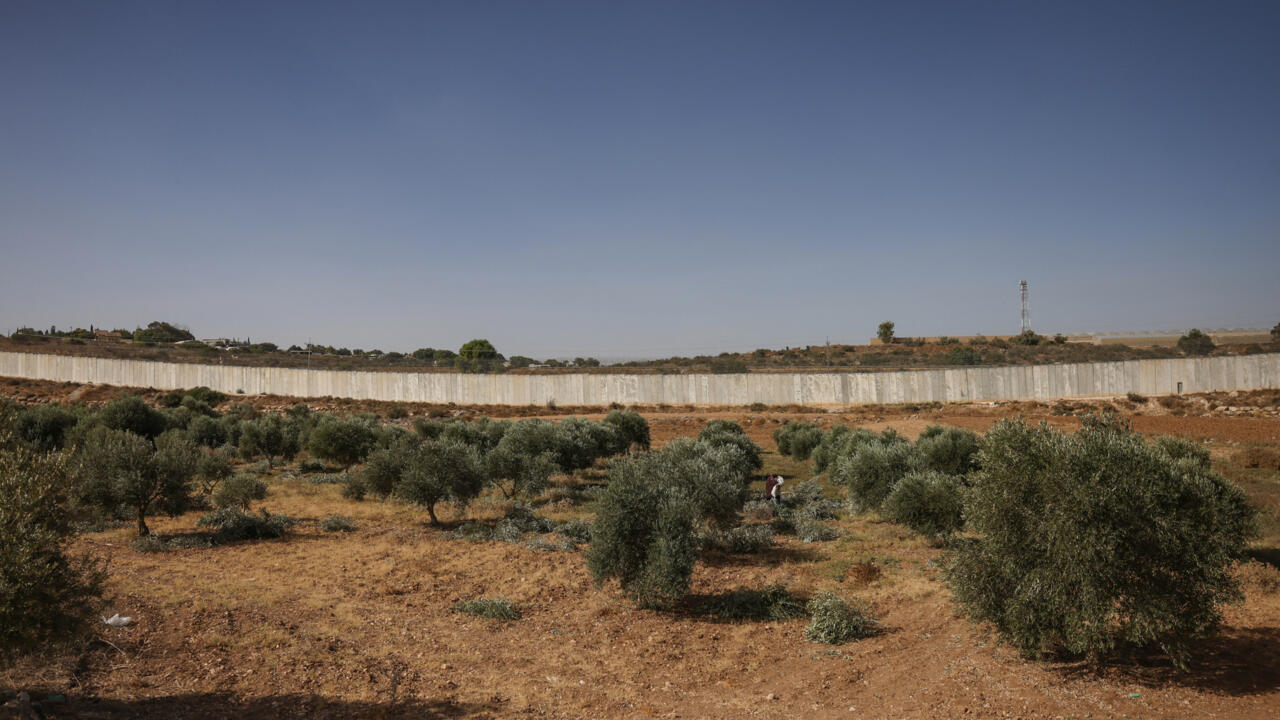
Israeli settlers attack European delegation convoy in West Bank, beat French mayor
Israeli settlers attack European delegation convoy in West Bank, beat French mayor
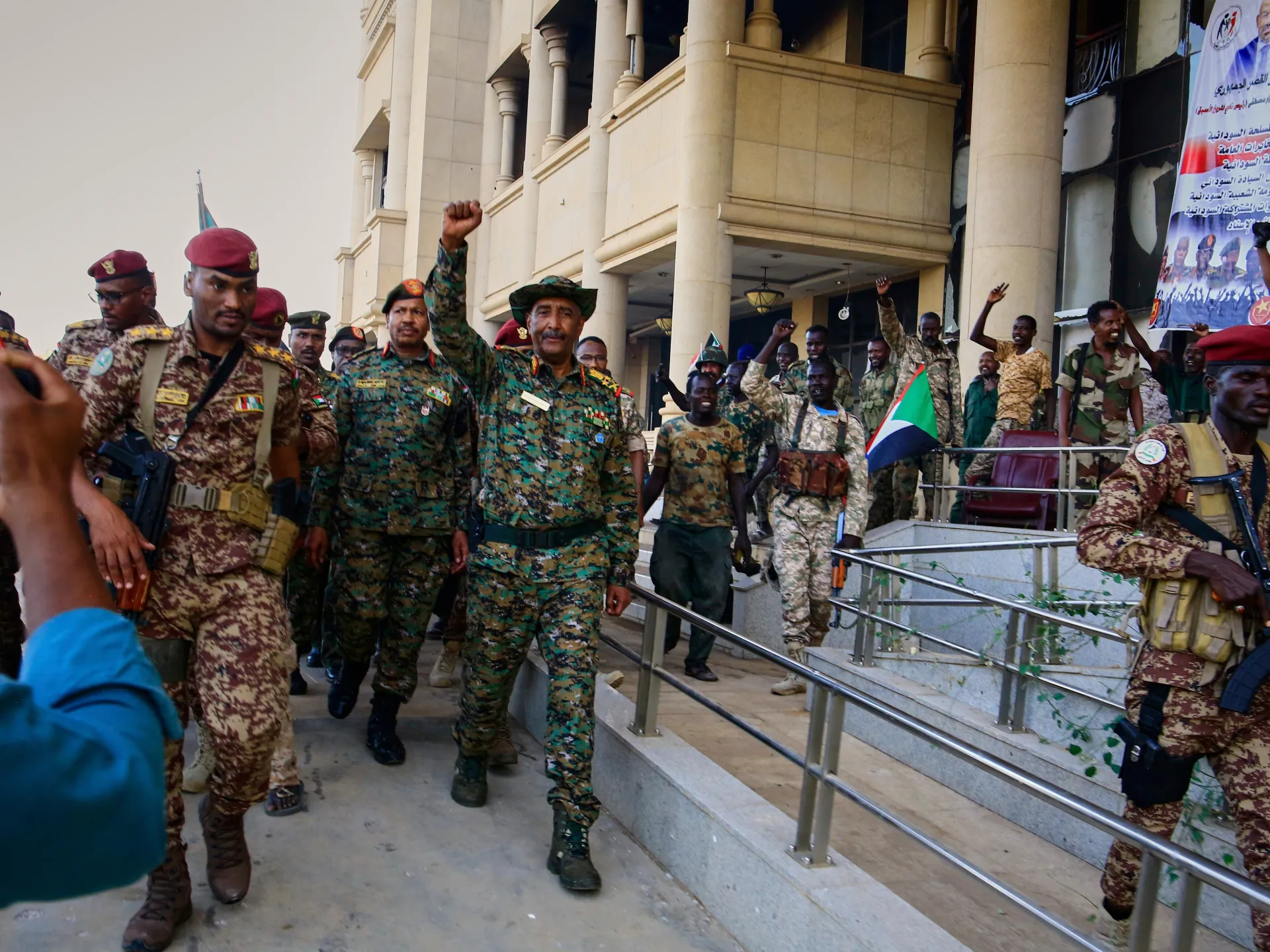
Sudan’s army claims dozens of RSF fighters killed in Nyala attack
Sudan's army claims dozens of RSF fighters killed in Nyala attack, but RSF says civilians were targeted.