
Jade Mining and Conflict in Northern Myanmar's Hpakant Region
An expanding jade-smuggling trade in northern Myanmar illustrates how the extraction of valuable minerals sustains ongoing regional conflict following a military coup.
An expanding jade-smuggling trade in northern Myanmar illustrates how the extraction of valuable minerals sustains ongoing regional conflict following a military coup.
The story
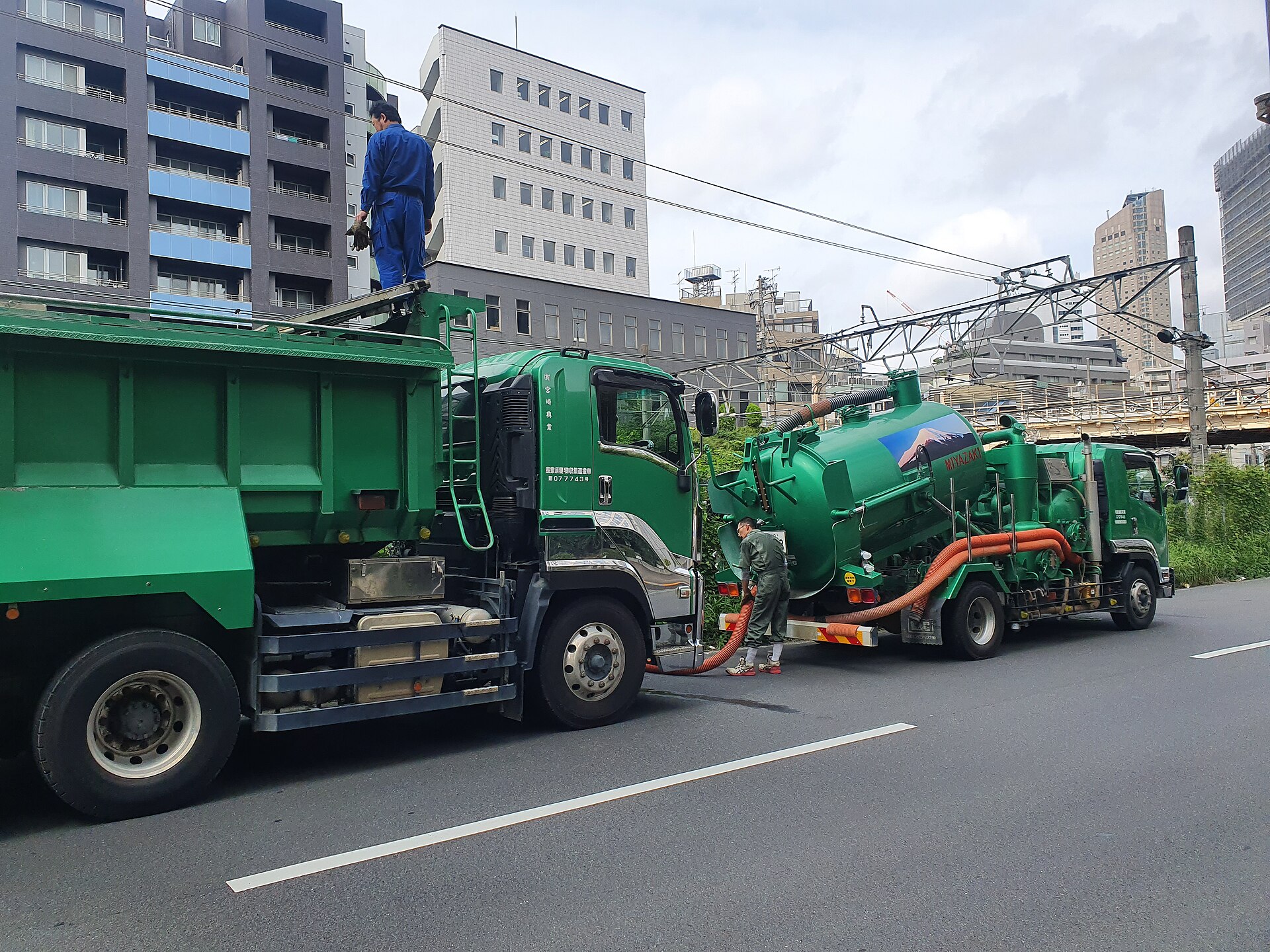
The mountainous landscape of Hpakant in northern Myanmar contains some of the world's most valuable jade deposits. Mining activity in the region has left extensive terrain alterations, with numerous heaps of earth where manual labourers search for precious stones. For approximately ten years, Aung Kyaw drove dump trucks at the local mines, seeking higher wages than farming in central Myanmar provided to support his family's education and health care needs.
Following a military coup five years ago, the area experienced heightened instability. Protests emerged against the removal of the democratic government, while the Kachin Independence Army engaged in armed conflict with the military. According to Aung Kyaw, Hpakant became completely unstable when heavy clashes broke out across the region.
A closer look
Although large-scale mining operations eventually resumed after initial crackdowns on mass protests, local conditions shifted significantly. Numerous small-scale Kachin miners lost access to their land or were unable to secure operating permits as the military and the ethnic guerrilla force asserted control over additional mining territories, leaving many local workers without previous employment opportunities.
Amid these altered economic circumstances, Aung Kyaw secured work driving trucks for a Chinese businessman seeking transport across the terrain to move jade northward toward the border, highlighting the ongoing illicit trade routes operating within the conflict-affected region.
This report presents the named publisher’s account and has not yet been independently corroborated.
Continue reading
Defence desk ↗
US Central Command Establishes Task Force Iron Gate to Target Iranian Supply Routes
A newly announced United States military unit aims to disrupt land and sea supply networks, though analysts question its capacity to isolate the country without broader regional cooperation.

Journalism, Credibility and Content Creation Discussed on Milestone Podcast Episode
The intersection of digital content creation and traditional reporting was explored during the centennial episode of the South Central podcast.

Qatari Prime Minister to Hold White House Talks Amid Regional Diplomatic Push
Qatari Prime Minister Sheikh Mohammed bin Abdulrahman bin Jassim Al Thani is scheduled to meet with US leaders in Washington as diplomatic channels remain active over Iran's nuclear program and regional ceasefire terms.