
Journalism, Credibility and Content Creation Discussed on Milestone Podcast Episode
The intersection of digital content creation and traditional reporting was explored during the centennial episode of the South Central podcast.

The intersection of digital content creation and traditional reporting was explored during the centennial episode of the South Central podcast.
The story
The 100th episode of the South Central podcast featured a panel discussion focusing on journalism, audience credibility, and the increasing influence of content creators within the news landscape. Former host Leena Reghunath returned for the special milestone alongside current hosts Dhanya Rajendran and Pooja Prasanna. They were joined by guest contributors Carl Lafrenais, Meghnad, and Priyanshi Sharma of Peek TV.
The conversation opened with an examination of who qualifies to be called a journalist in the digital age, where smartphones allow individuals to record protests and document police actions directly from the ground. Meghnad stated that neither the government nor the Supreme Court should determine journalistic qualifications, arguing that recognition should go to individuals actively performing the work on the ground and preserving evidence. He also questioned the expectation of complete neutrality, suggesting that the inclusion of personal opinions by ground reporters does not automatically disqualify their work as journalism.
The panel also discussed public rights regarding the documentation of law enforcement during demonstrations. Meghnad raised questions about disparities in recording permissions, asking why authorities are permitted to film citizens while individuals lack equivalent protections when recording police activity.
A closer look
Priyanshi Sharma offered a contrasting perspective, emphasizing the importance of maintaining distinctions between journalists, influencers, and activists. According to Sharma, the blurring of these roles can negatively impact how audiences perceive and trust reported stories.
The discussion further addressed the evolution of media from print to television and digital platforms. Leena Reghunath noted that the industry continues to debate the definition of a journalist, maintaining that emphasis should be placed on delivering objective, fact-based information accompanied by editorial supervision. Carl Lafrenais added that influencers are capable of producing journalistic work provided their reporting is supported by factual research, remarking that neither studio expenses nor basic recording equipment define a journalist.
Participants also addressed concerns surrounding the label of independent journalism, particularly instances where political campaigns, paid collaborations, or propaganda are framed as independent reporting. Concluding the discussion, the panel explored methods for independent creators to collaborate, with references to international examples from Brazil and Serbia where digital content creators united to promote each other's work.
This report presents the named publisher’s account and has not yet been independently corroborated.
Continue reading
Defence desk ↗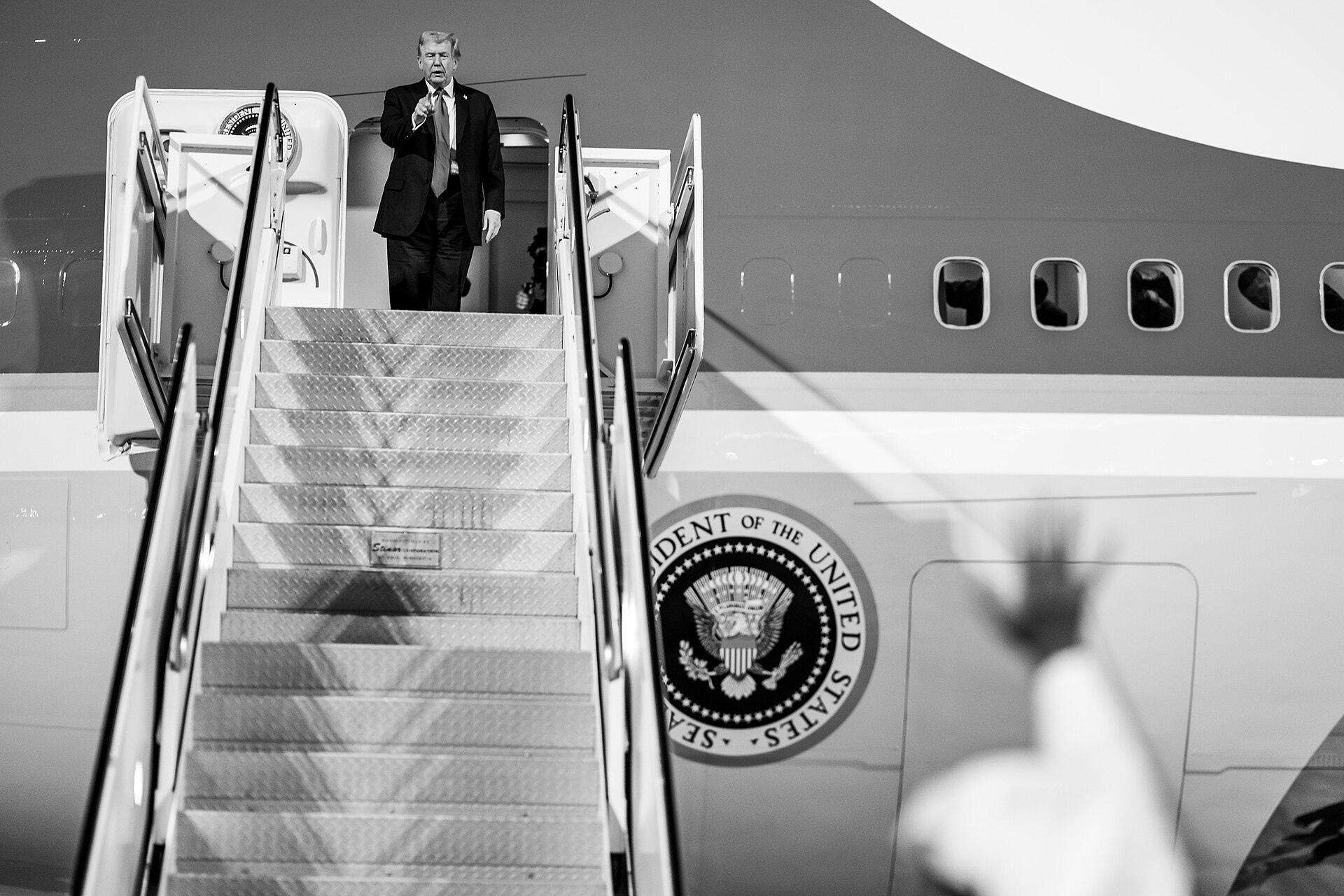
Qatari Prime Minister to Hold White House Talks Amid Regional Diplomatic Push
Qatari Prime Minister Sheikh Mohammed bin Abdulrahman bin Jassim Al Thani is scheduled to meet with US leaders in Washington as diplomatic channels remain active over Iran's nuclear program and regional ceasefire terms.
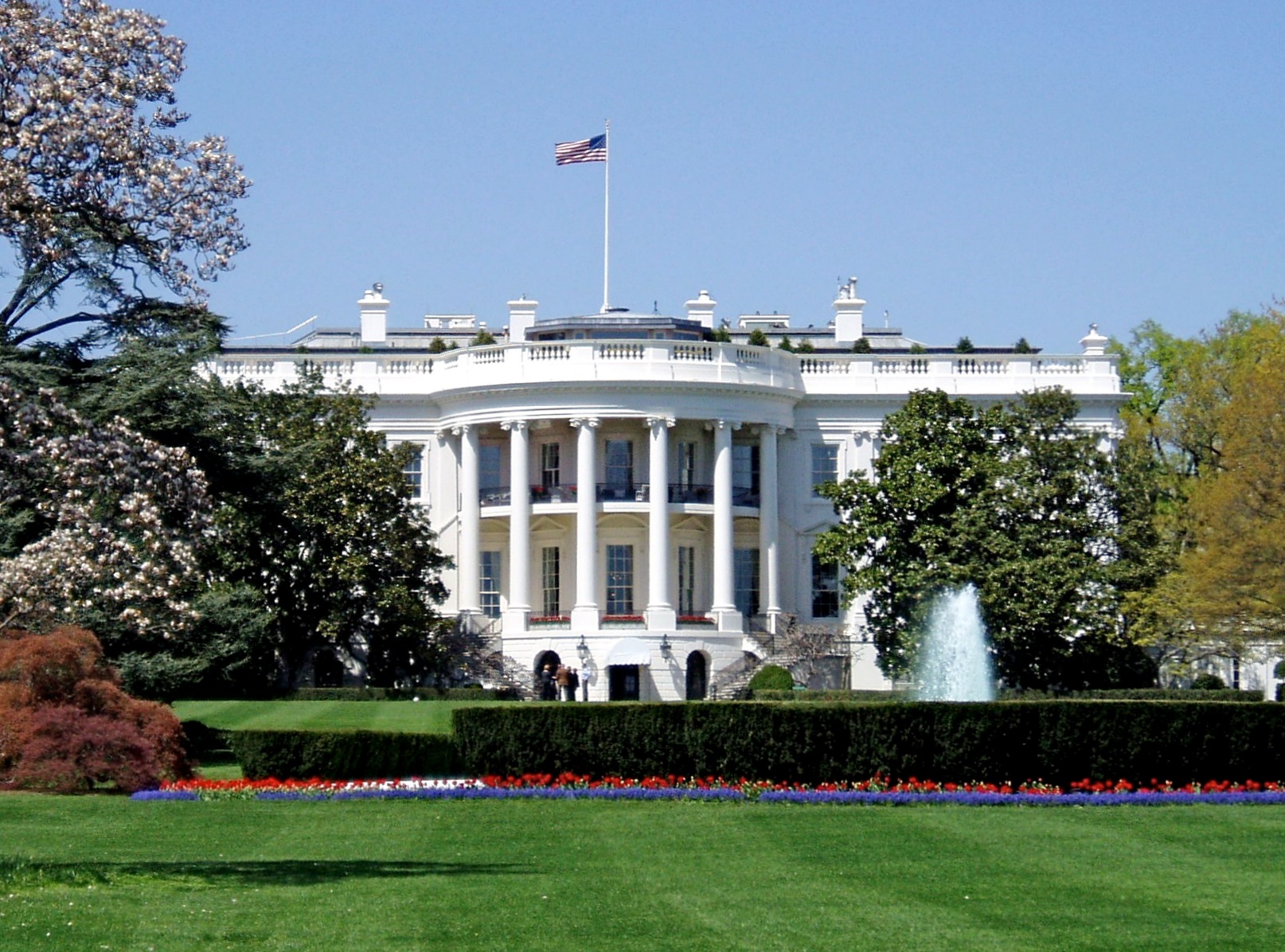
US President Donald Trump Calls Deportation Drive Too Tough Following Midterm Setback
United States President Donald Trump acknowledged that his administration's mass deportation campaign had become a political liability following the Republican Party's midterm election losses.
Krakow Mass Shooting Suspect Dies in Hospital Following Weekend Attack
Polish police confirm the 24-year-old gunman suspected of killing nine people, including his parents and sister, has died in hospital after being shot by officers during a weekend attack in central Krakow.