
United States and Pacific Islands Selected to Host 2030 Rugby League World Cup
The International Rugby League has announced that the United States and the Pacific Islands will jointly host the 2030 tournament, accompanied by expansions in team numbers and updated eligibility rules.
The International Rugby League has announced that the United States and the Pacific Islands will jointly host the 2030 tournament, accompanied by expansions in team numbers and updated eligibility rules.
The story
The International Rugby League has announced that the United States and the Pacific Islands will jointly host the 2030 Rugby League World Cup. The decision was revealed during the governing body's annual general meeting in Sydney, marking a new chapter for the international competition.
According to the International Rugby League, the tournament will feature expanded participation. The men's competition will grow from 10 teams to 12, while the women's tournament will increase from eight teams to 10. Both the men's and women's events will run concurrently over a five-week period.
Specific host locations are yet to be finalized, with five cities scheduled to stage the matches. The proposed tournament structure includes three pool rounds designed in a 'Magic Round' format, followed by semi-finals and finals held across different locations.
A closer look
International Rugby League chairman Tony Grant stated that the selection forms part of a broader strategy to introduce the sport to new regions. Grant noted the approach aims to capitalize on broadcasting, government, and fan interest generated by current tournaments, which have recorded high attendance and viewership figures.
Alongside the main tournaments, the 2030 Wheelchair World Cup is scheduled to take place concurrently in France, with Europe designated to host the subsequent 2034 event. The governing body also proposed elevating Samoa and Tonga to Tier One status, joining Australia, England, and New Zealand, following strong performances by Pacific nations in recent competitions.
Additionally, player eligibility criteria have been revised following a submission from the Cook Islands. Under the updated rules, athletes are permitted to represent a heritage nation if they, a parent, a grandparent, or a great-grandparent were born in that country.
This report presents the named publisher’s account and has not yet been independently corroborated.
Continue reading
Politics desk ↗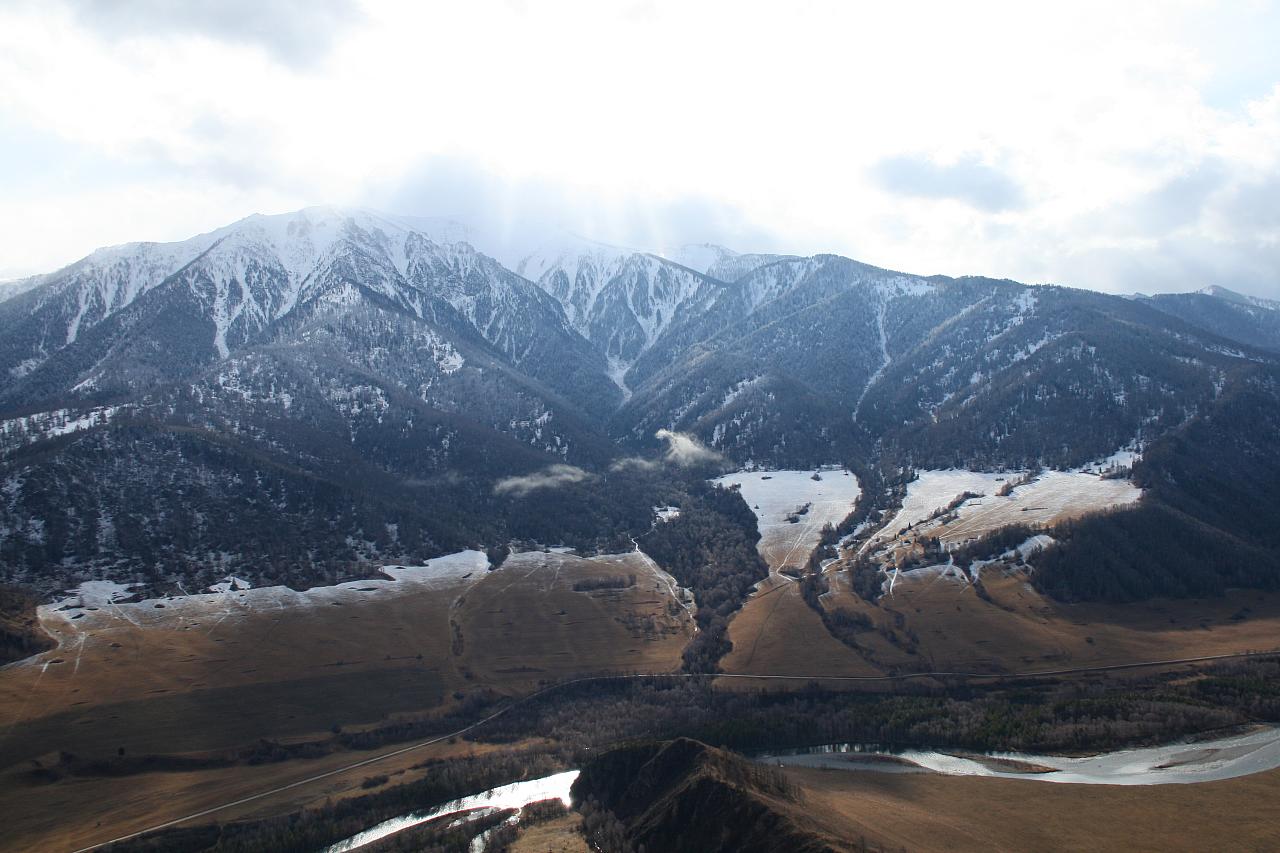
Russian Elite Flock to Luxury Altai Ski Resort Amid Western Sanctions
With European destinations largely inaccessible due to sanctions, wealthy figures, government officials, and business leaders are turning to the Manzherok resort in Russia's Altai Mountains.
Olympic Judo Champion Teddy Riner Enters French Presidential Race
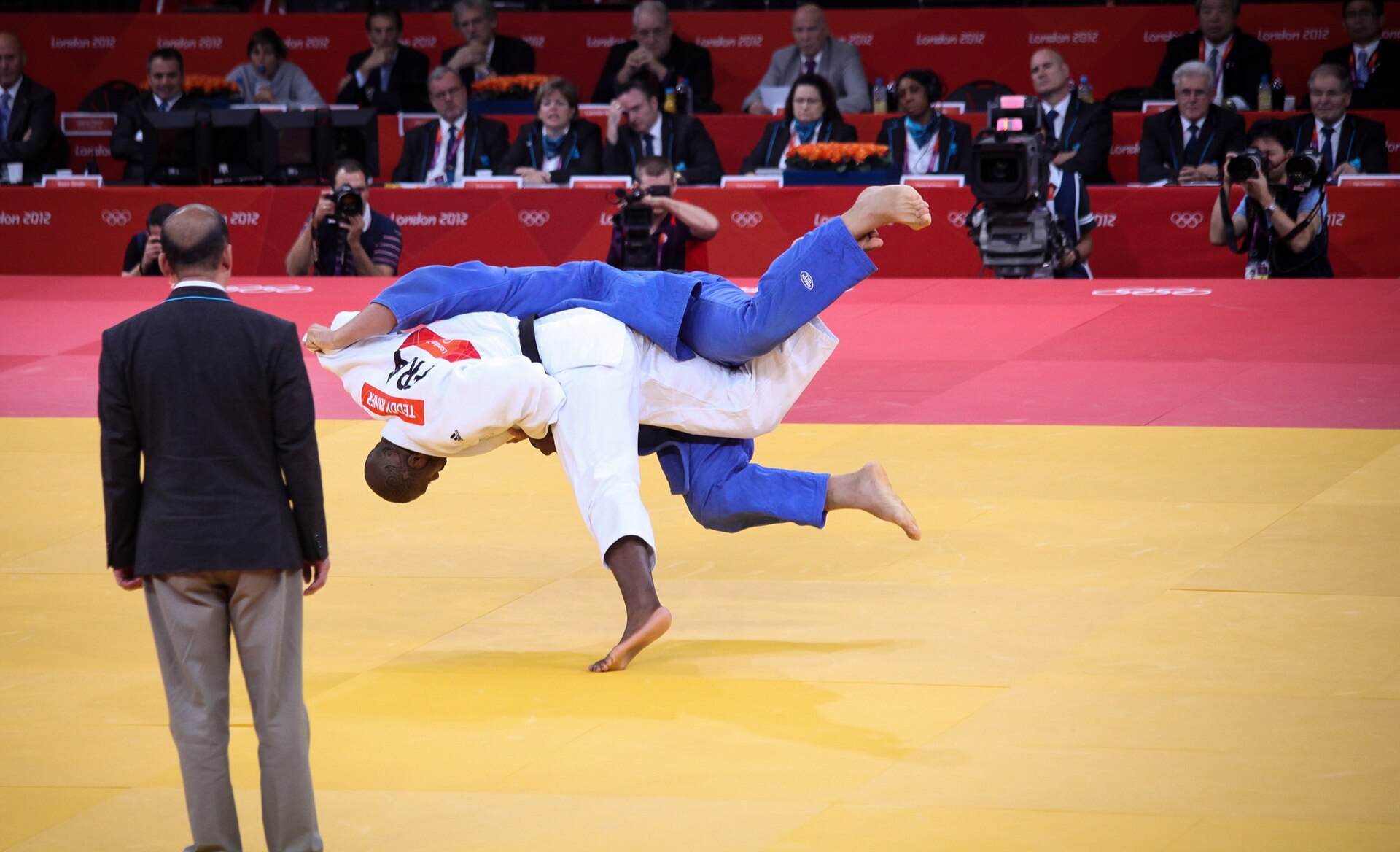
The five-time Olympic gold medalist has announced his candidacy for the 2027 presidential election, positioning himself outside traditional political alignments.

Global Leaders Gather in Antalya for COP31 Climate Negotiations
Delegates from around the world have convened in Turkey for the United Nations’ 31st Conference of the Parties, focusing on implementation and existing commitments rather than sweeping new agreements.