
Global Leaders Gather in Antalya for COP31 Climate Negotiations
Delegates from around the world have convened in Turkey for the United Nations’ 31st Conference of the Parties, focusing on implementation and existing commitments rather than sweeping new agreements.

Delegates from around the world have convened in Turkey for the United Nations’ 31st Conference of the Parties, focusing on implementation and existing commitments rather than sweeping new agreements.
The story
World leaders have convened in Antalya, Turkey, for the United Nations’ 31st Conference of the Parties, known as COP31. The summit follows a year marked globally by deadly climate disasters, including extensive forest fires in Canada, Indonesia, and Brazil, heat waves contributing to more than 50,000 deaths in Europe, and glacier-collapse floods in Nepal that killed over 1,500 people and caused nearly $5 billion in damages.
The conference is co-hosted by Turkey and Australia. It marks the first COP gathering since a United Nations report indicated the inevitability of breaching the 1.5 degrees Celsius global warming threshold. Scientists have previously warned that exceeding this benchmark could push the planet past dangerous tipping points and trigger irreversible climatic changes.
Despite these pressures, analysts note that few observers expect the summit to generate breakthrough agreements comparable to the 2015 Paris Agreement or COP28's call to transition away from fossil fuels. Kaveh Guilanpour, vice president of international strategies for the nonprofit Center for Climate and Energy Solutions, described the current geopolitical climate as one where delivering on housekeeping is significant in itself.
A closer look
Delegates have characterised the event as an implementation COP, with the official agenda centering on fleshing out existing commitments under the Paris Agreement rather than establishing new overarching targets. Much of the scheduled work involves technical discussions, including the beginning of the next five-year global stocktake to assess climate progress.
Additional agenda items include discussing methods to measure progress toward the global goal on adaptation agreed upon in Brazil last year, and considering whether to extend a mitigation work programme initiated in 2022 to encourage faster emissions reductions. Countries are also expected to formally create a just transition mechanism aimed at boosting international coordination and support for moving away from fossil fuels.
Climate finance remains a prominent topic at the summit. Jennifer Allan, a senior lecturer in international relations at Cardiff University, noted that wealthy countries will face renewed questions regarding funding pledges that have not been delivered. The financial shortfall was underscored following August flooding in Nepal, which triggered the first payout from the U.N. Fund for Responding to Loss and Damage; the $21.6 million allocation represented less than 1 percent of the total damages sustained by the country.
Continue reading
Politics desk ↗
US President Donald Trump Clarifies Dana White Press Secretary Offer Was a Joke
Donald Trump stated he was only joking when he posted that Ultimate Fighting Championship chief executive Dana White had been offered the position of White House press secretary.
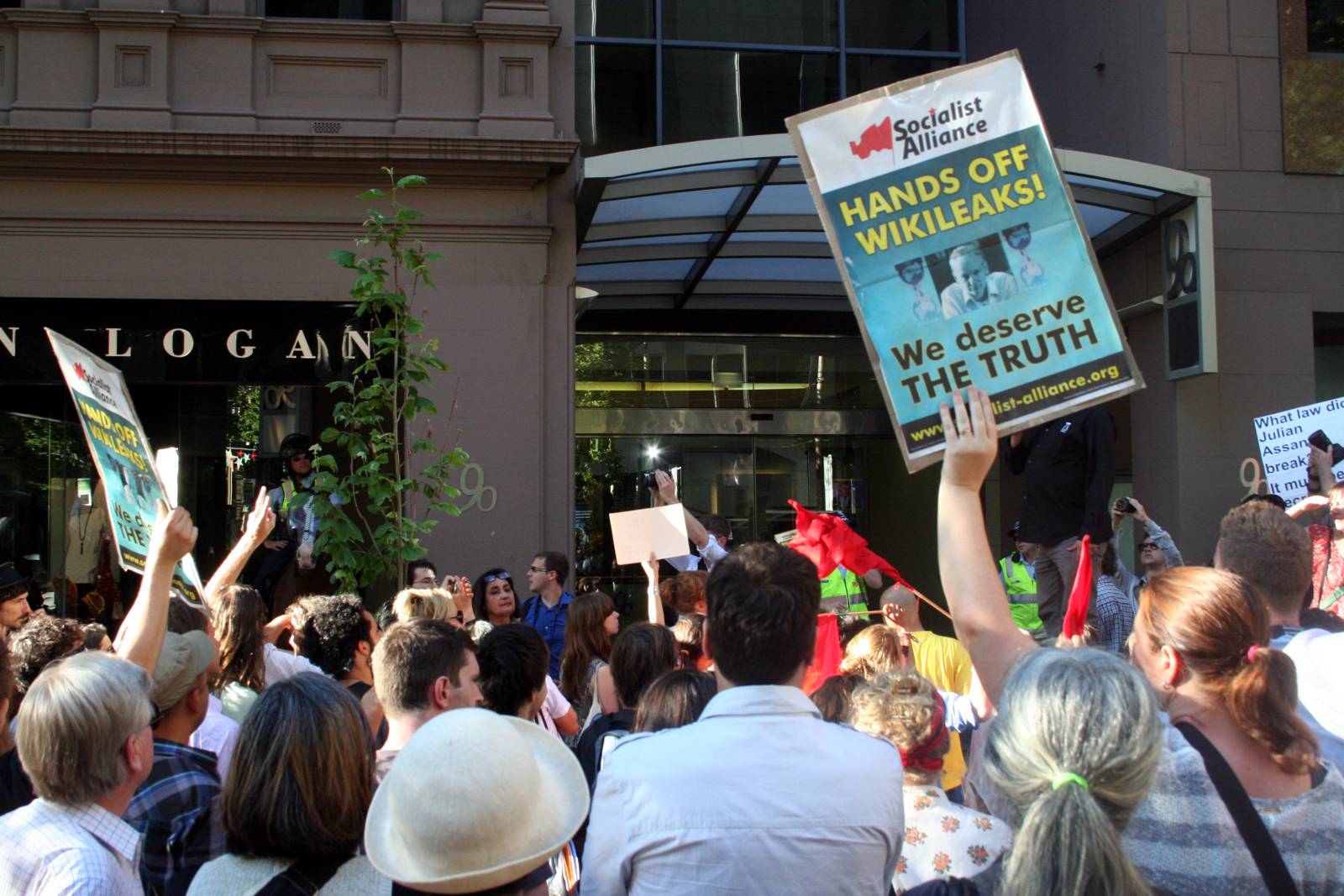
Melbourne Artists and Workers Rally for Increased State Cultural Funding
Performers, musicians, and industry staff gathered outside the State Library in Melbourne to demand long-term financial commitments from election candidates.
Invasive weed arrangement claims top honor at regional agricultural show
A floral display composed entirely of problematic invasive plants secured the best overall exhibit award at the Margaret River Agricultural Show in Western Australia.