
US Central Command Establishes Task Force Iron Gate to Target Iranian Supply Routes
A newly announced United States military unit aims to disrupt land and sea supply networks, though analysts question its capacity to isolate the country without broader regional cooperation.
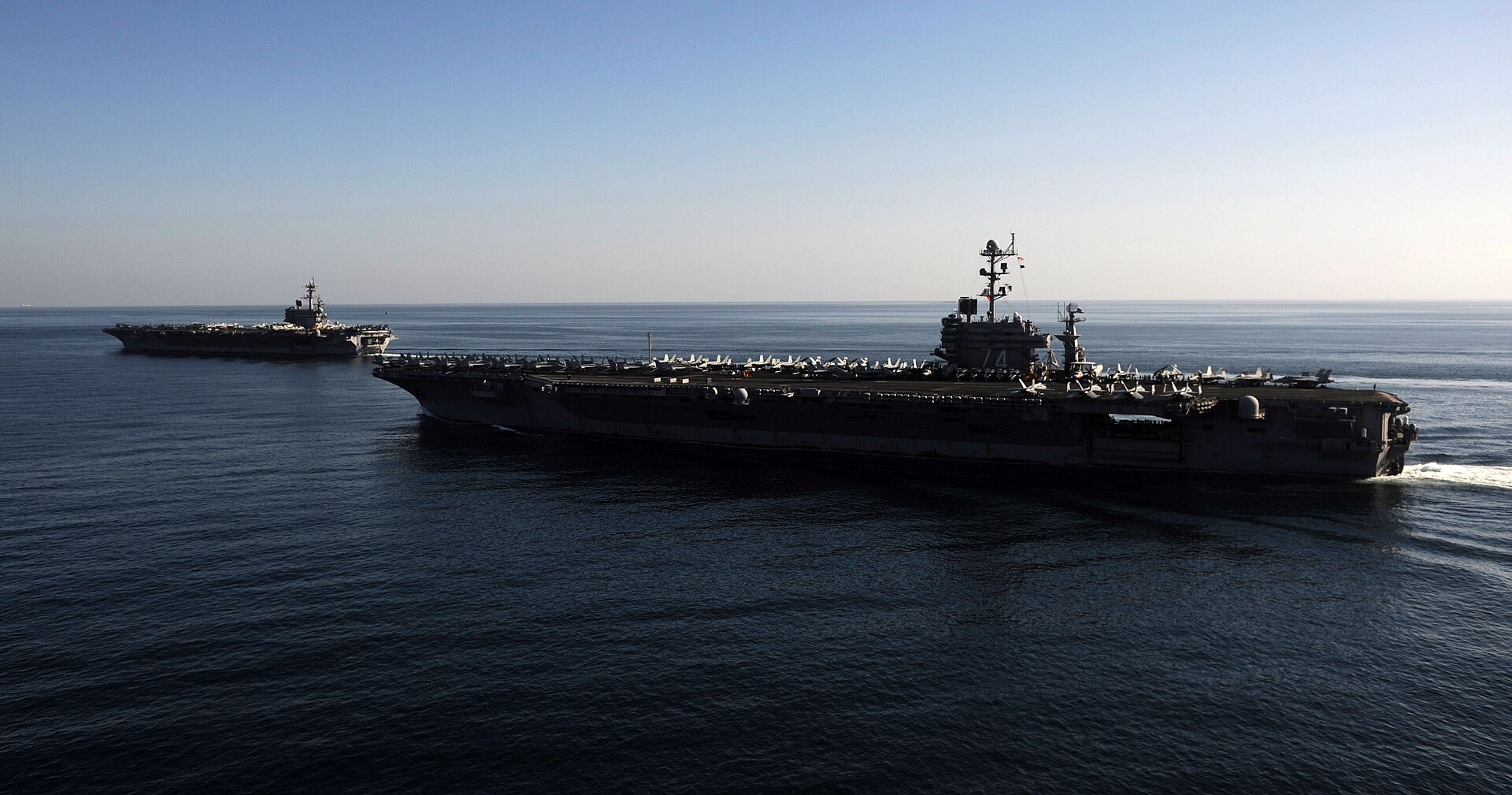
A newly announced United States military unit aims to disrupt land and sea supply networks, though analysts question its capacity to isolate the country without broader regional cooperation.
The story
United States President Donald Trump asserted that the US had nearly sealed off Iran from the rest of the world following an announcement by the US Central Command regarding a new military unit. In a social media post on Sunday, President Trump stated that very little enters or exits Iran, pointing to both a naval blockade of the Strait of Hormuz and the newly formed military initiative.
The United States Central Command announced the creation of Task Force Iron Gate to target land routes and the Caspian Sea. According to military statements, the unit is designed to prevent Iran from utilizing ground corridors to transport advanced weapons and other materials.
Based in Tampa, Florida, the intelligence-focused unit will coordinate with other government agencies to prevent the movement of advanced weapons systems, dual-use technologies, sanctioned materials, and illegal revenue streams across Iranian land borders and the Caspian Sea. Analysts note the mission will rely on satellite imagery, drones, intercepted communications, financial intelligence, and intelligence-sharing with partner nations.
Defense analysts have expressed skepticism regarding the unit's reach.
Defense analysts have expressed skepticism regarding the unit's reach. Experts interviewed by Al Jazeera stated that a small intelligence-focused unit cannot seal Iran's borders or halt extensive procurement networks without active regional cooperation. Some analysts warned that attempts to disrupt these supply networks could risk drawing neighboring countries into the conflict and affect ongoing diplomatic efforts.
Andreas Krieg, an associate professor of defence studies at King's College London, described the initiative as an attempt to extend an American naval blockade into continental supply networks without deploying ground troops along Iranian borders. Meanwhile, Matthew Savill, director of military sciences at the Royal United Services Institute, suggested the mission could involve force, such as strikes or discrete ground operations, alongside legal and economic pressure outside the Middle East.
This report presents the named publisher’s account and has not yet been independently corroborated.
Continue reading
Defence desk ↗
Journalism, Credibility and Content Creation Discussed on Milestone Podcast Episode
The intersection of digital content creation and traditional reporting was explored during the centennial episode of the South Central podcast.
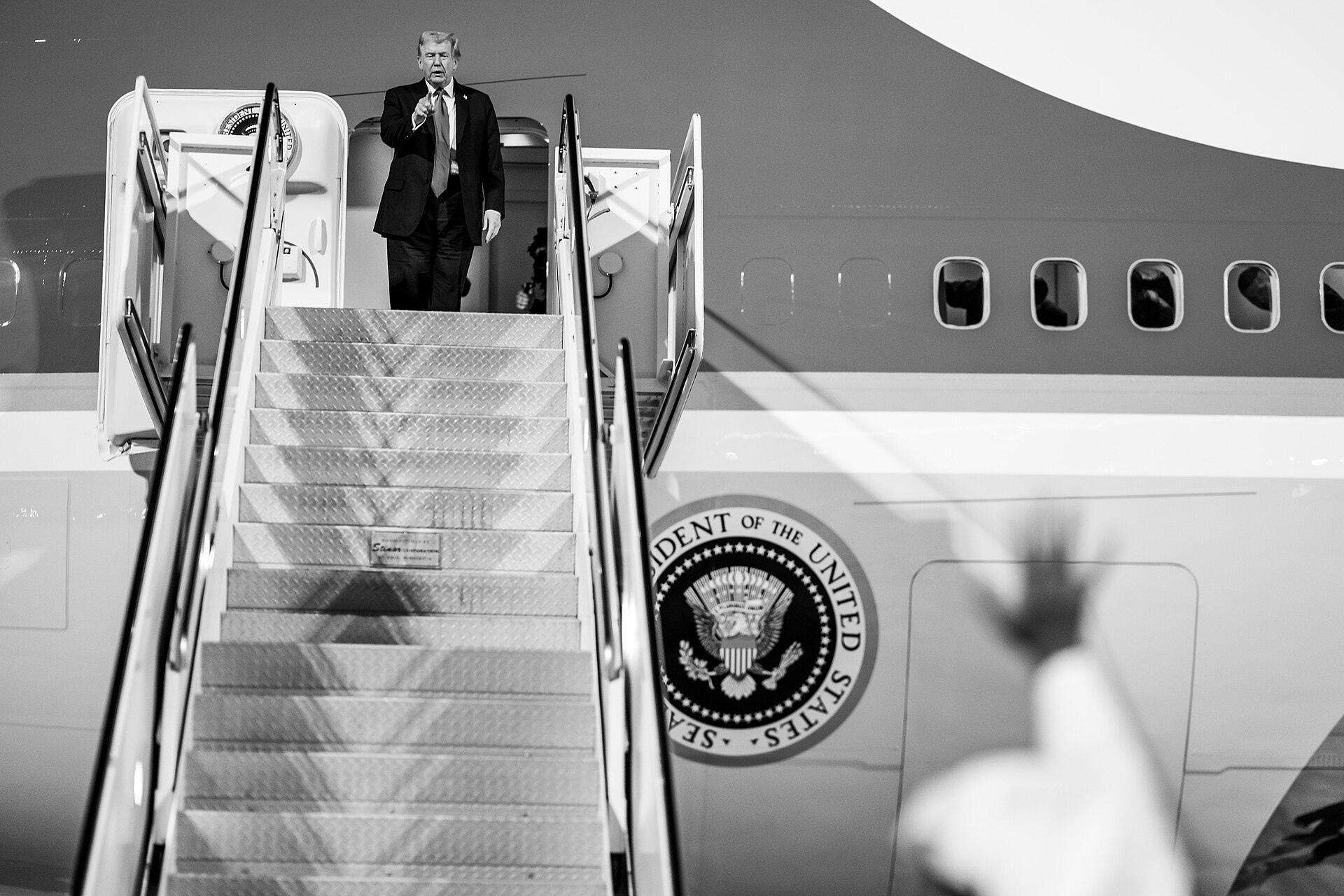
Qatari Prime Minister to Hold White House Talks Amid Regional Diplomatic Push
Qatari Prime Minister Sheikh Mohammed bin Abdulrahman bin Jassim Al Thani is scheduled to meet with US leaders in Washington as diplomatic channels remain active over Iran's nuclear program and regional ceasefire terms.
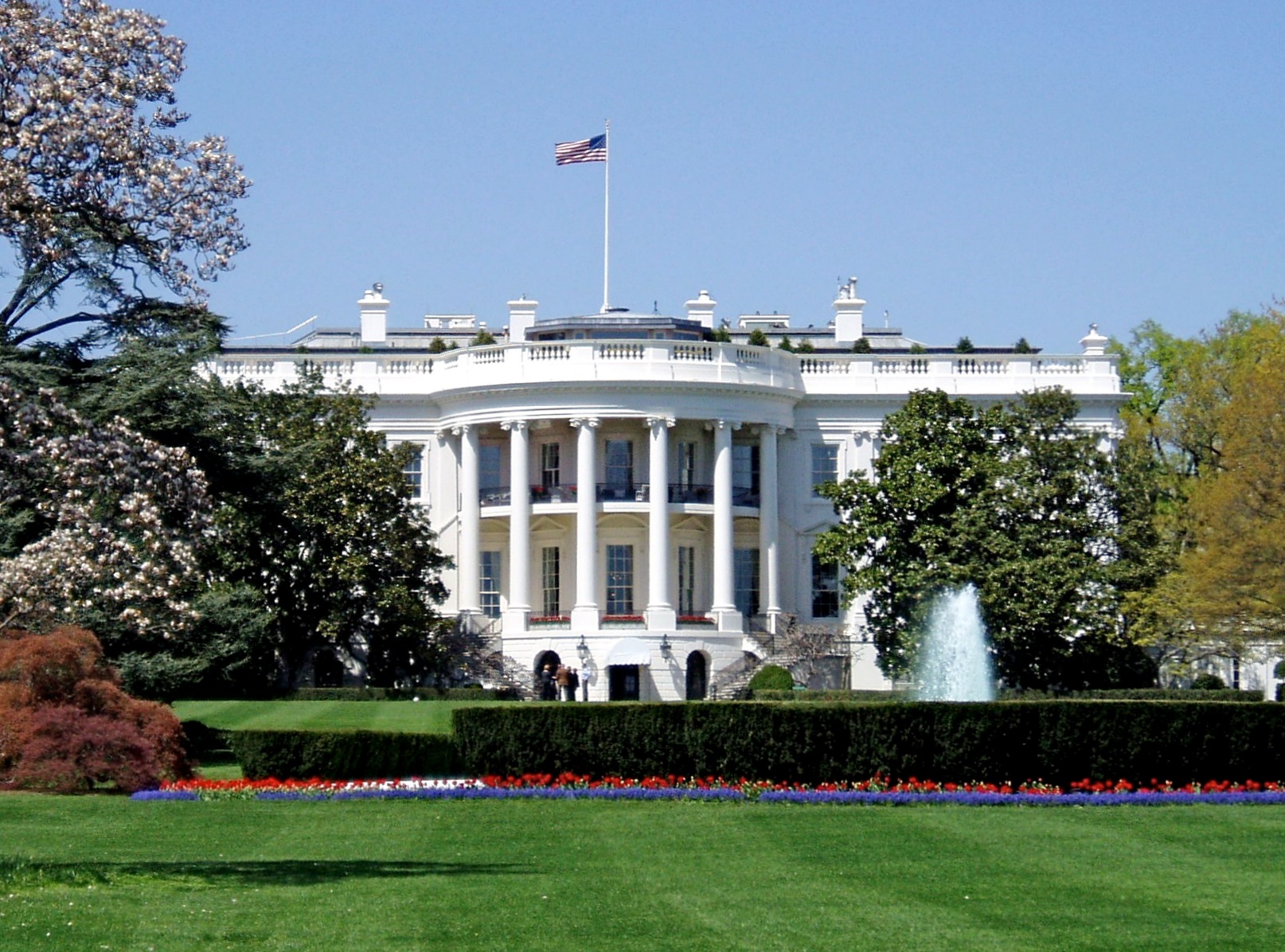
US President Donald Trump Calls Deportation Drive Too Tough Following Midterm Setback
United States President Donald Trump acknowledged that his administration's mass deportation campaign had become a political liability following the Republican Party's midterm election losses.