
Prime Minister’s Shift Toward Social Media and Podcasts Raises Scrutiny Questions
A pivot toward lifestyle podcasts, influencers and direct digital content by Prime Minister Andy Burnham has generated questions regarding political accountability and traditional press access.
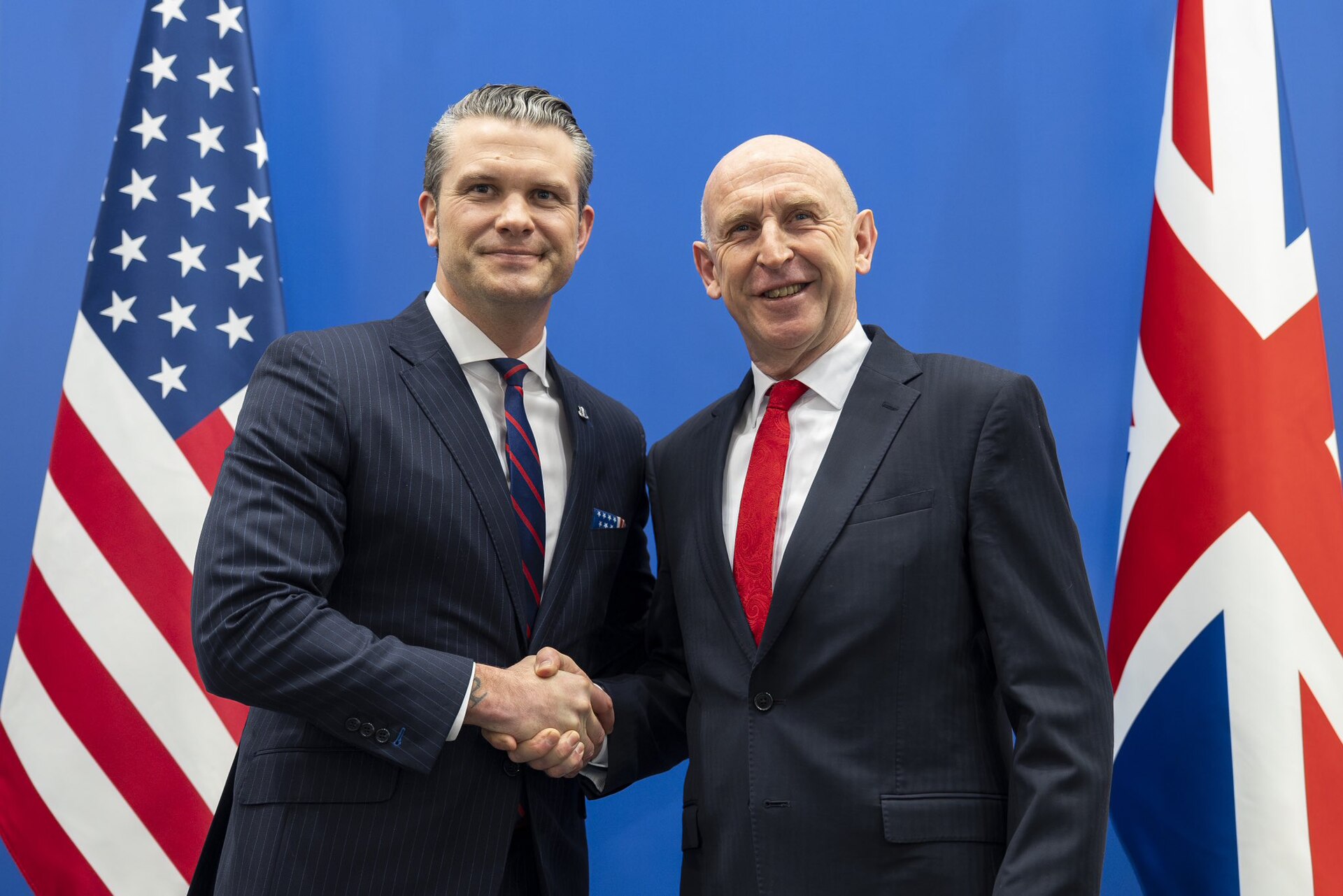
A pivot toward lifestyle podcasts, influencers and direct digital content by Prime Minister Andy Burnham has generated questions regarding political accountability and traditional press access.
The story
Prime Minister Andy Burnham’s communications approach has drawn attention after a recent overseas trip featured significantly reduced media access compared to previous summits. During a three-day trip to the Commonwealth heads of government meeting (Chogm), which included discussions on slavery reparations and the US midterm elections, Burnham answered questions for a total of seven-and-a-half minutes through two brief BBC interviews. Unlike previous delegations that included a full press contingent and traditional on-plane question-and-answer sessions, the prime minister traveled with only a single television crew and a news agency journalist.
Downing Street officials defended the arrangements, stating that Chogm provides unique and limited access for journalists and noting that the prime minister completed other media events prior to the trip. The administration maintains that Burnham does not avoid accountability, pointing to recent long-form interviews and a rigorous appearance on ITV’s Good Morning Britain last month as evidence of ongoing scrutiny.
A closer look
However, Burnham and his team have openly embraced a different communication strategy, utilizing social media platforms, influencers and lifestyle podcasts. This digital output includes a YouTube video featuring the prime minister and Chancellor John Healey ranking pub snacks. In an interview with ITV, Burnham stated that such content aims to connect with younger audiences who feel distanced from politics. When asked if this focus indicated indifference toward right-wing newspapers, Burnham responded affirmatively, stating he left Westminster because he grew tired of commentators dictating public perception.
While politicians widely acknowledge the necessity of adapting to modern news consumption habits, commentators point out that lifestyle podcasts and brief television clips present fewer demands than comprehensive press conferences with specialist reporters. A former media adviser who worked with multiple Conservative prime ministers noted that while such a strategy can succeed during favorable periods, a perception of shutting out the press risks a unified pushback from journalists if policies require rigorous examination.
This report presents the named publisher’s account and has not yet been independently corroborated.
Continue reading
Politics desk ↗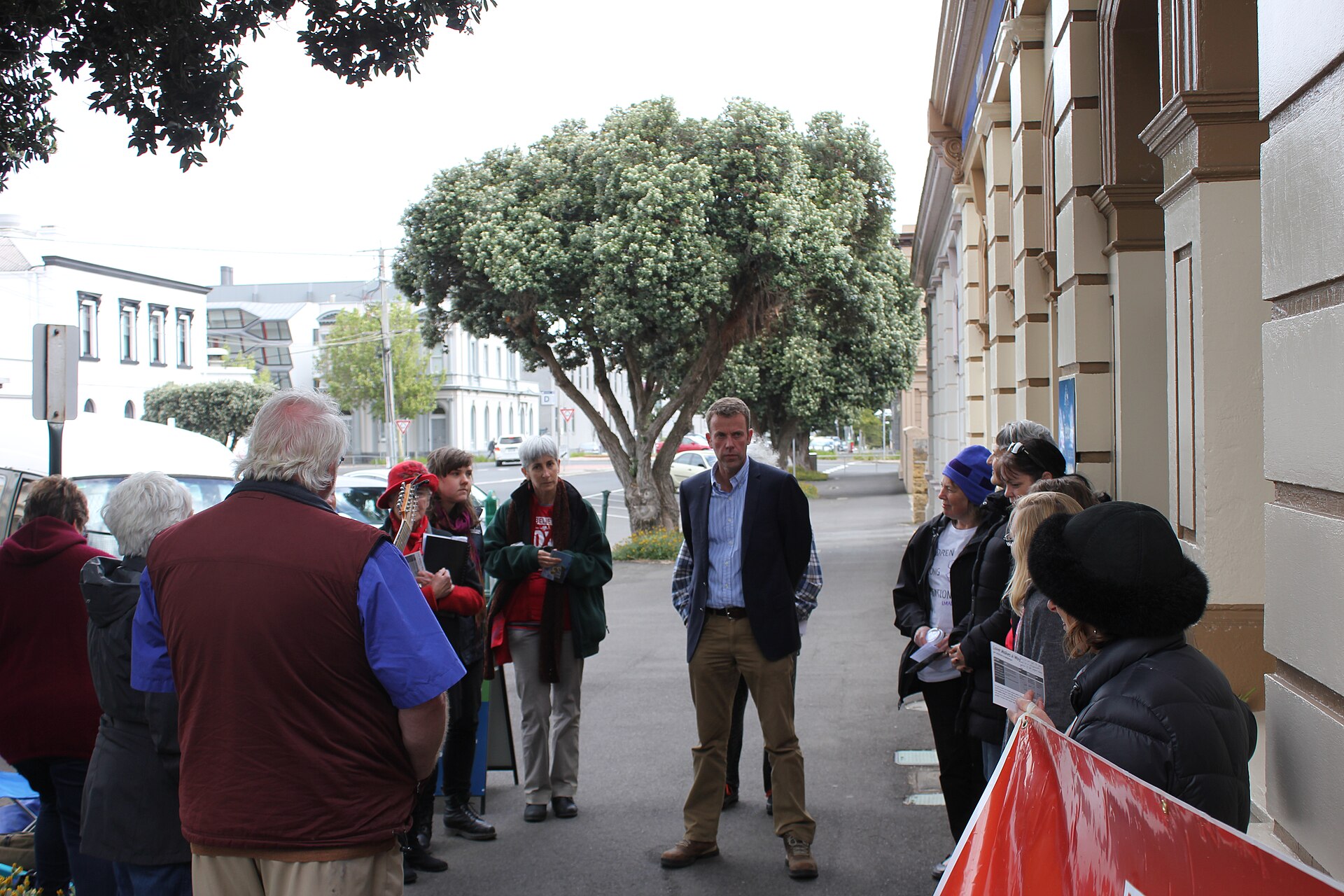
Coalition Defends Paris Agreement Membership to Avoid Carbon Border Penalties
Opposition energy spokesman Dan Tehan says remaining in the climate pact is essential to protect Australian exports from potential foreign trade levies.
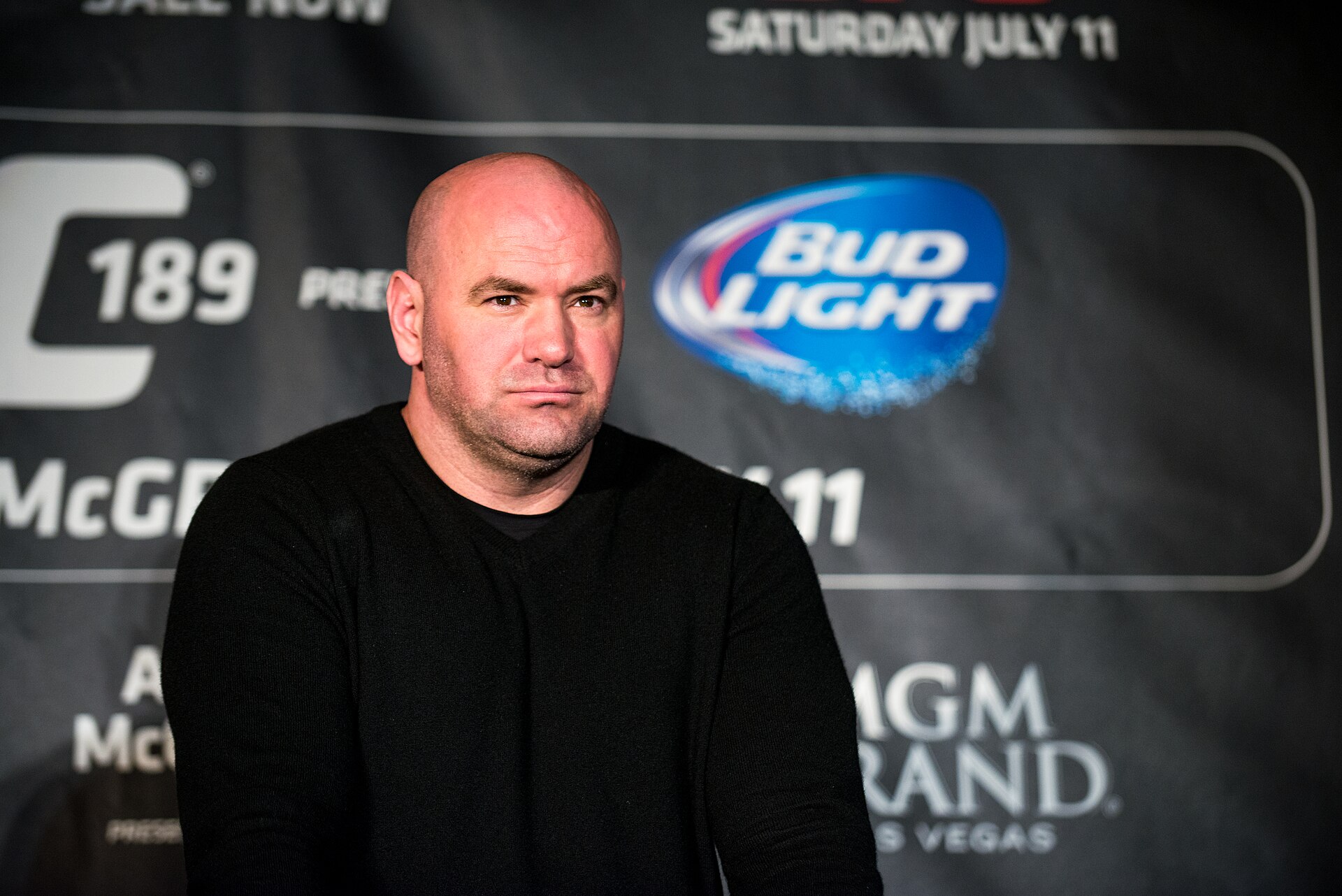
President Trump offers UFC chief Dana White a role as White House press secretary
Donald Trump posted on Truth Social that he wants UFC CEO Dana White to become the next White House press secretary and suggested several UFC fighters as possible aides; White said he will meet the president to discuss the proposal.
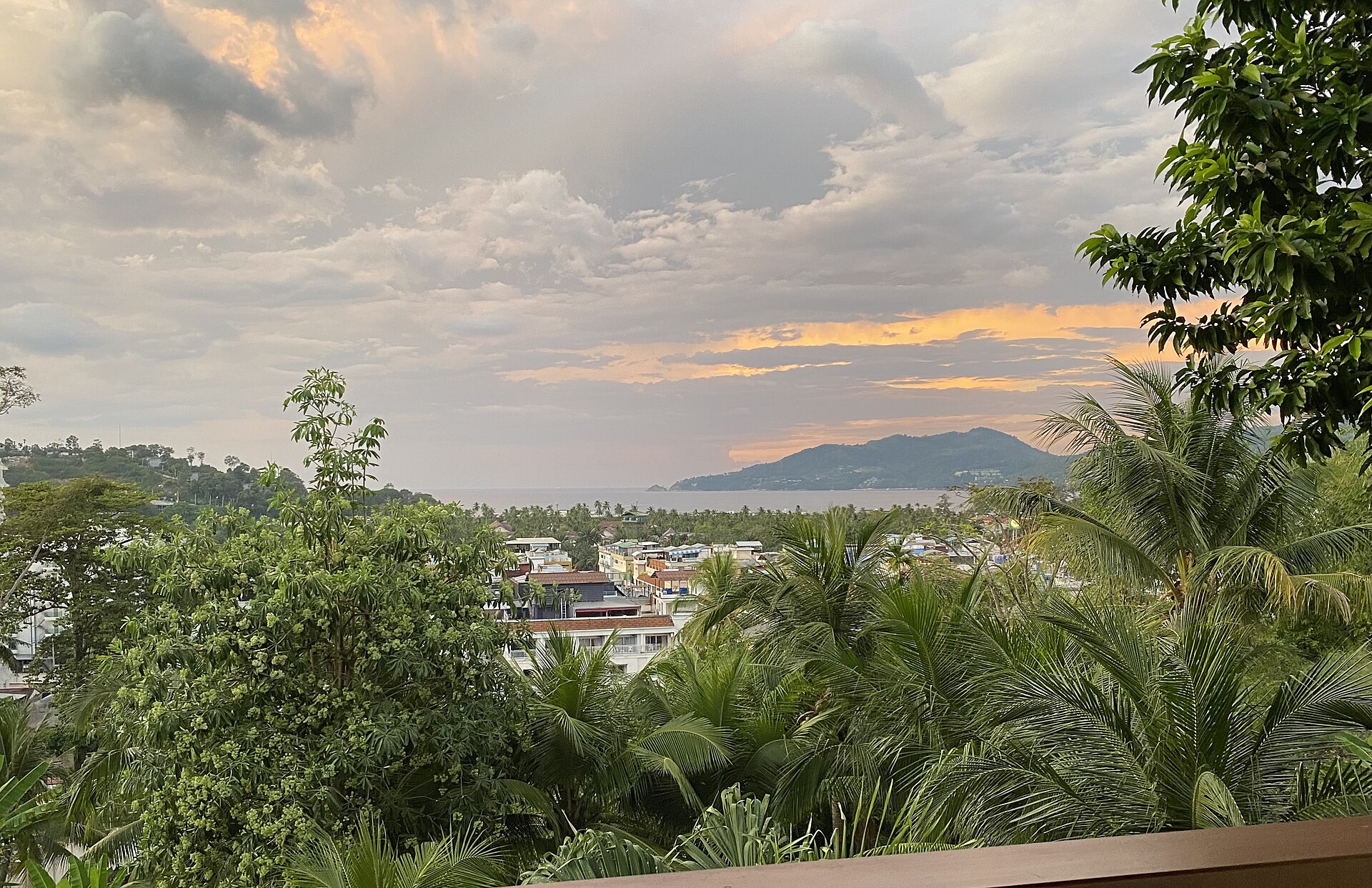
Thailand faces criticism over possible deportation of Uyghur detainees
Human‑rights groups warn that two Uyghur men in Thai immigration detention could be sent back to China, where they fear severe persecution.