
Activists Disrupt Former German Foreign Minister's Award Address at Uppsala University
Protesters interrupted former German Foreign Minister Annalena Baerbock's award lecture at Uppsala University over her government's foreign policy and arms exports.
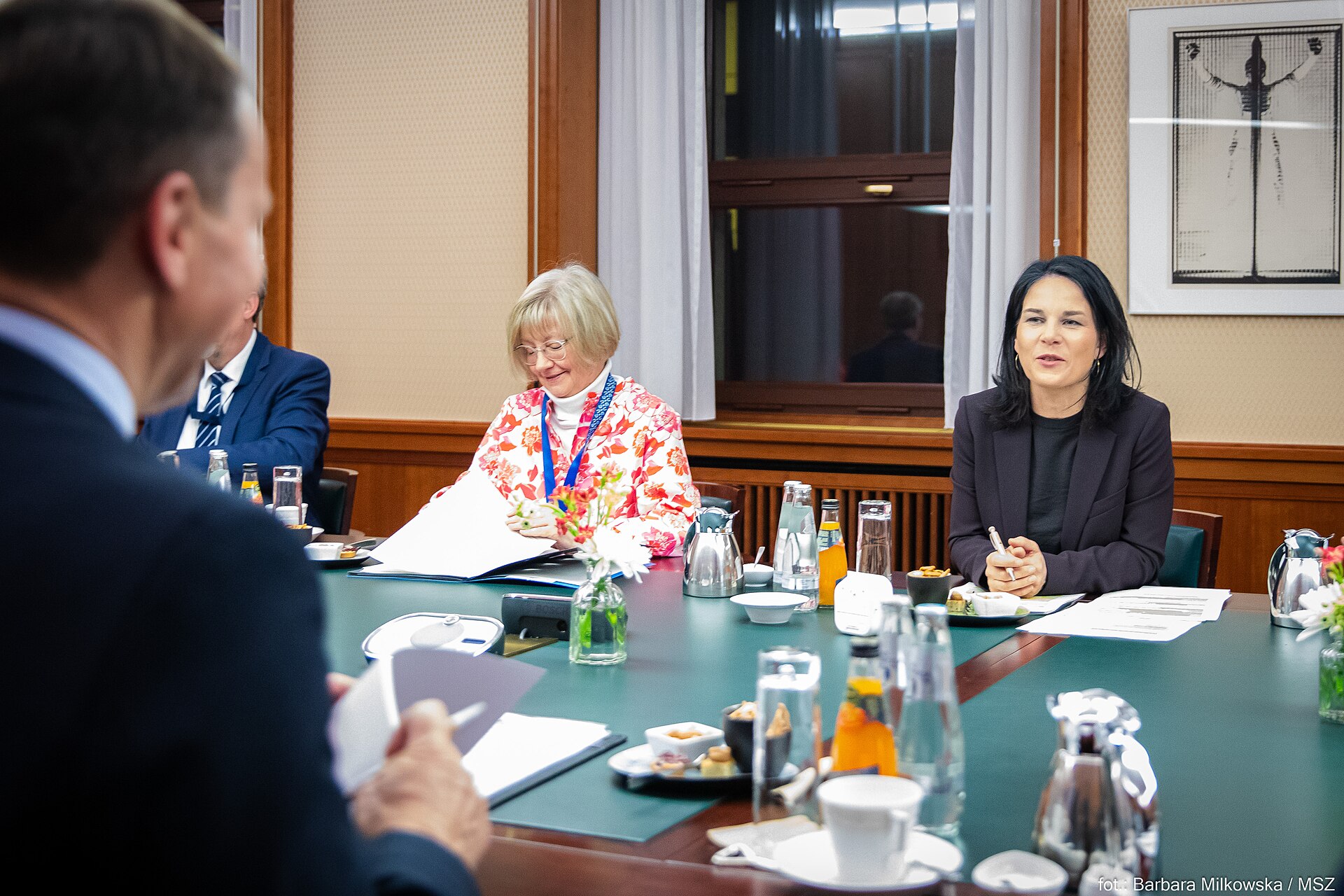
Protesters interrupted former German Foreign Minister Annalena Baerbock's award lecture at Uppsala University over her government's foreign policy and arms exports.
The story
Former German Foreign Minister Annalena Baerbock experienced multiple disruptions during her award address at Uppsala University, where she appeared as the recipient of the 2026 Dag Hammarskjold Medal. The award, presented by the Dag Hammarskjold Foundation, honours individuals recognized for contributions to a peaceful, just, and environmentally sustainable world through politics or research.
Activists opposed to the selection organized protests on campus, stating they entered the venue in separate groups and interrupted the seminar four times. According to the demonstrators, the decision to honour Baerbock conflicted with the German government's diplomatic and military policies, citing past arms exports and official statements regarding international conflicts.
The protesting group criticized Baerbock's stance on international law and her support for Israel's security during her tenure as foreign minister. They argued that her public positions contradicted the stated criteria of the medal, which highlights humanism, compassion, and a commitment to international solidarity.
A closer look
During the seminar, Baerbock attempted to address the initial interruption by discussing a rocket incident, but protesters stated their objections focused on broader geopolitical policies and violations of international law. The demonstrators further criticized Uppsala University for co-organising the event, contrasting the institution's handling of current partnerships with its previous actions regarding Russian academic institutions.
Baerbock has subsequently assumed the role of president of the United Nations General Assembly. Protesters stated they chose to disrupt the academic lecture because they believed conventional methods of opposition regarding the conflict in Gaza had yielded no institutional response from higher education authorities.
This report presents the named publisher’s account and has not yet been independently corroborated.
Continue reading
Politics desk ↗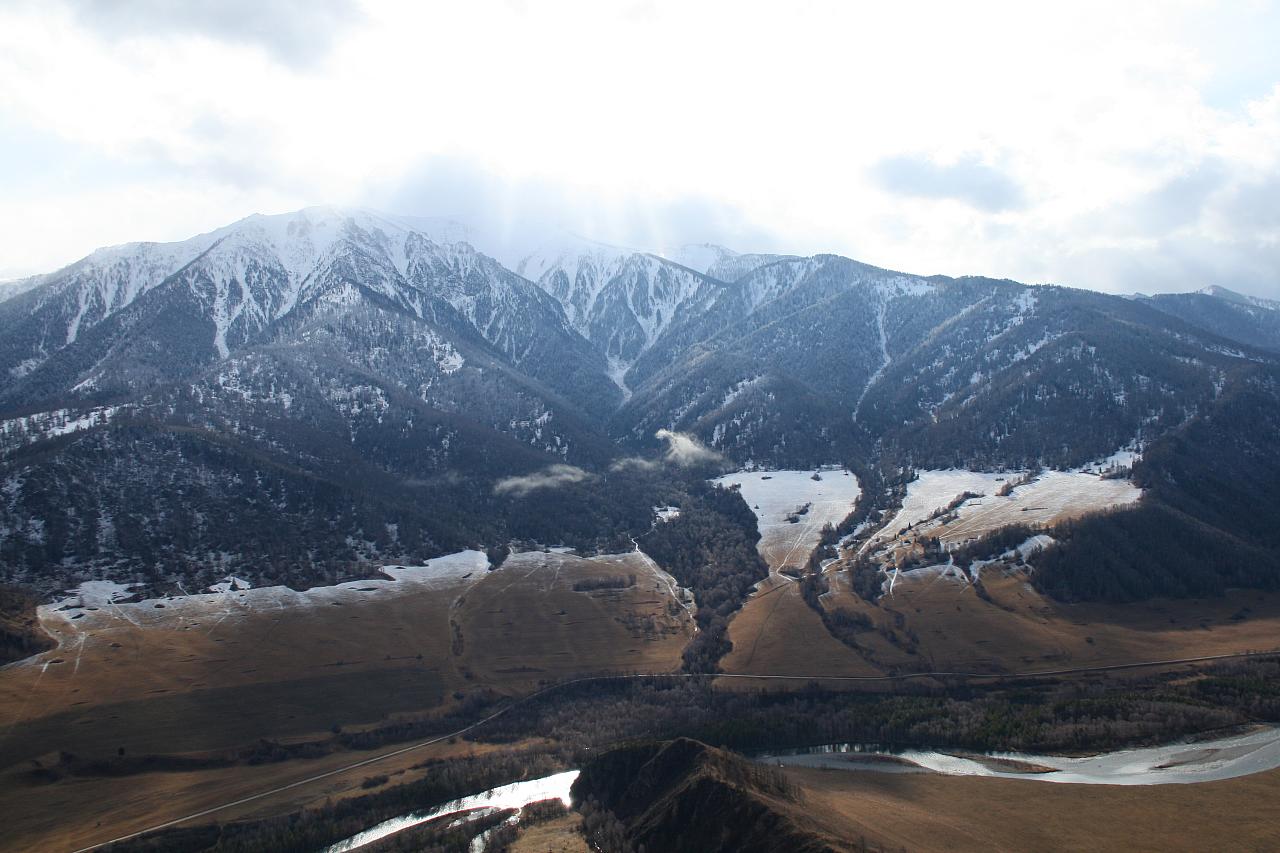
Russian Elite Flock to Luxury Altai Ski Resort Amid Western Sanctions
With European destinations largely inaccessible due to sanctions, wealthy figures, government officials, and business leaders are turning to the Manzherok resort in Russia's Altai Mountains.

United States and Pacific Islands Selected to Host 2030 Rugby League World Cup
The International Rugby League has announced that the United States and the Pacific Islands will jointly host the 2030 tournament, accompanied by expansions in team numbers and updated eligibility rules.

Olympic Judo Champion Teddy Riner Enters French Presidential Race
The five-time Olympic gold medalist has announced his candidacy for the 2027 presidential election, positioning himself outside traditional political alignments.