Why Is Public Transit a Phantom Election Issue?
Public transit funding is a popular policy, but it's not a priority for B.C.'s major parties.
Public transit funding is a popular policy, but it's not a priority for B.C.'s major parties.
The full report
A recent survey of Canadians found that 81 per cent of respondents supported an increase in transit funding, with public transit being the single most popular policy that could also be considered a climate measure. This is not an isolated finding, as an overwhelming majority of Nashville residents voted to boost public transit funding by US$3 billion through a 0.5 per cent sales tax in 2024.
The 2024 U.S. election saw 87 per cent of transit taxes on the ballot being approved by voters, including in red-state Tennessee. This suggests that transit funding is a widely popular policy, but it has not yet been reflected in the policy announcements of B.C.'s two largest provincial parties.
The Conservative Party of BC has ruled out introducing any new taxes, while the BC NDP has also ruled out a vehicle levy as a potential public transit funding tool. A vehicle levy could be designed to vary depending on the value of a car, with a 20-year-old Toyota Corolla's vehicle levy costing its owner only $30 a year, while a brand new Maserati could cost $3,000 per year.
A vehicle levy is also remarkably fair, as the benefit of transit investment largely accrues to motorists through reduced roadway congestion. TransLink also uses some of that money to maintain 675 kilometres of roads. Seattle uses a similar system, as part of its $54-billion transit expansion rollout.
The lack of emphasis on public transit funding in B.C.'s election campaign is puzzling, given its popularity among voters. It remains to be seen whether the major parties will revisit their stance on transit funding in the coming weeks.
Reporting status
This original NewNWS report was drafted from the cited source material and passed a second evidence check. Claims that remain the account of one publisher are attributed in the source disclosure below.
This automated report presents the named publisher’s account and has not yet been independently corroborated.
Continue reading
Politics desk ↗
Breaking Bad star RJ Mitte dies aged 34
RJ Mitte, the American actor who played Walter White Jr. in the hit TV series "Breaking Bad," has died at the age of 34.

Liberal candidate for marginal seat dumped weeks out from election
Liberal candidate for Croydon replaced weeks out from Victorian election
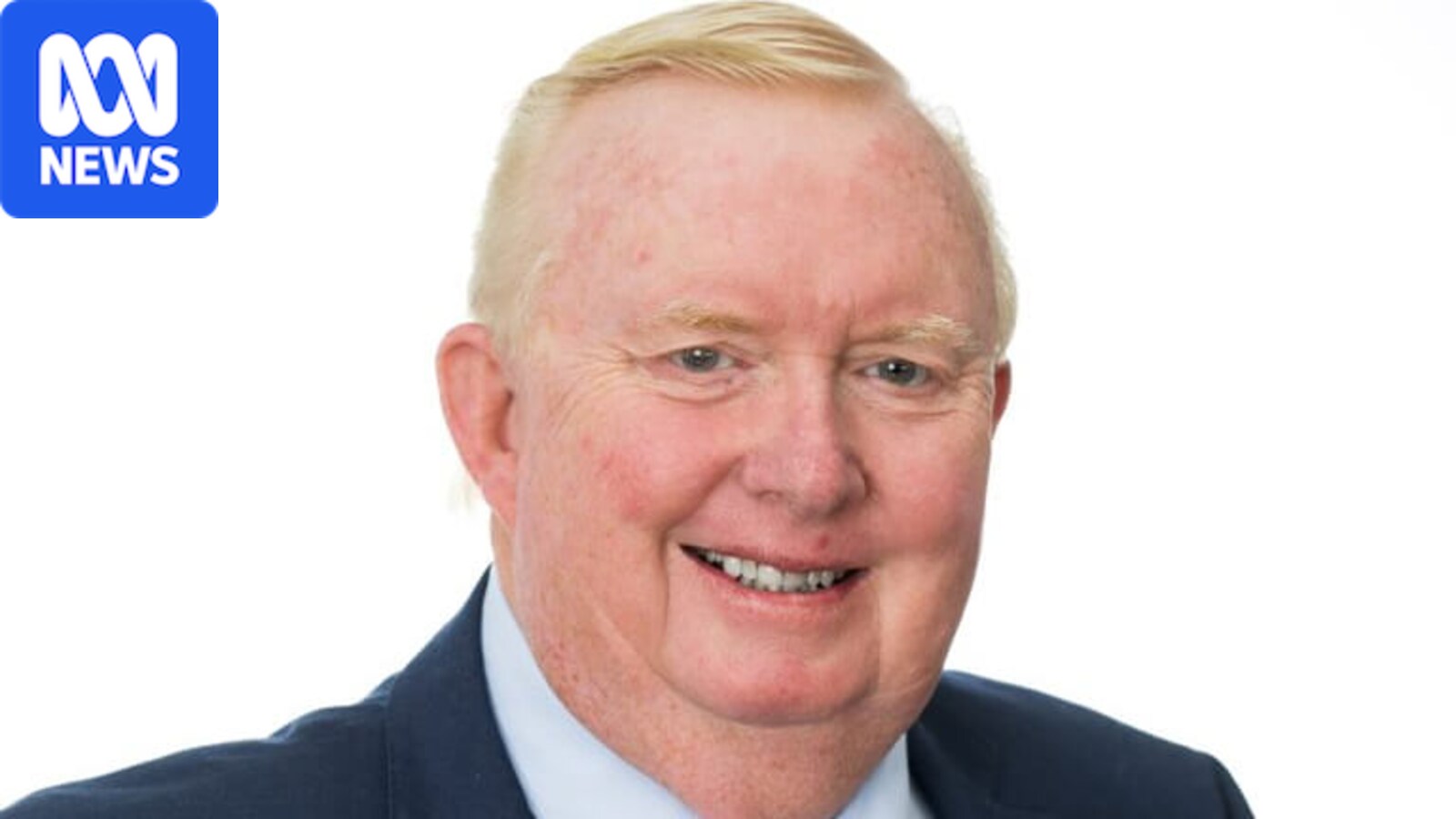
Alderman seeking re-election suspended for allegedly touching female staff
Glenorchy City Council alderman Peter Ridler suspended for alleged code of conduct breaches