
US President Signs Proclamation Designating Oval Office as National Monument
Donald Trump has signed an executive order and proclamation declaring the Oval Office and Cabinet Room as a national monument, following a series of interior and structural renovations during his second term.
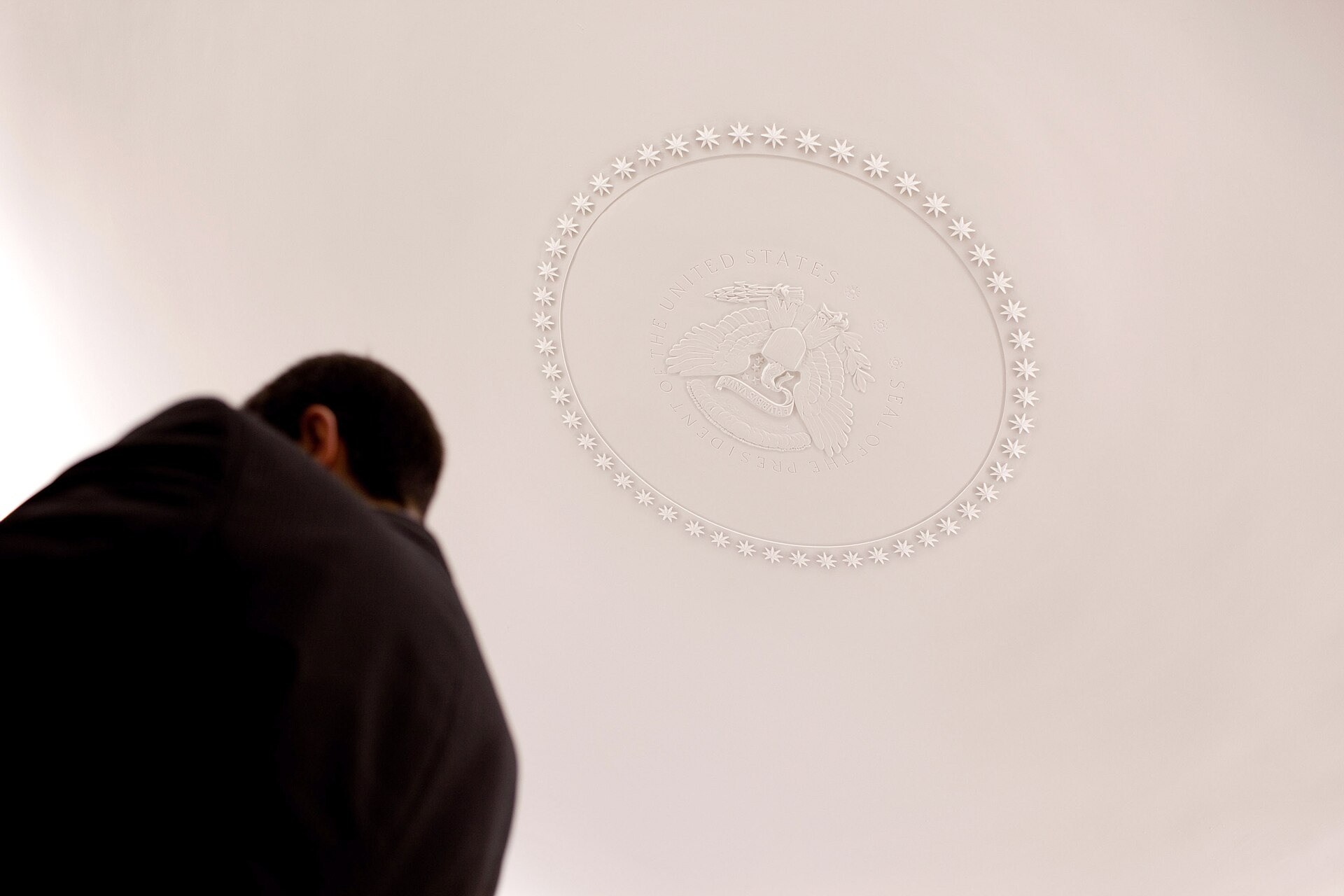
Donald Trump has signed an executive order and proclamation declaring the Oval Office and Cabinet Room as a national monument, following a series of interior and structural renovations during his second term.
The story
US President Donald Trump signed an executive order and proclamation on Thursday declaring the White House Oval Office and surrounding rooms to be a national monument. Speaking to reporters in Washington, Trump stated that the directive is intended to prevent future leaders from destroying or altering the historic workspace. The action follows months of extensive cosmetic changes made by Trump, which include the addition of numerous gold features, gold-framed portraits, new chandeliers in the Cabinet Room, and a large gold plaque outside the office.
According to the text of the proclamation, the document does not restrict a sitting president's authority to redecorate, select furnishings, or carry out ordinary operational and security modifications that do not substantially impair the architectural character of the space. Instead, the document tasks the Interior secretary with managing the area and requires documentation, review, and consideration of alternatives prior to any actions that would substantially alter or demolish the monument. Trump stated that any major structural shifts, such as changing the shape of the room, would require congressional review.
Despite the president's expansive descriptions of the order, legal analysts and the text of the document itself indicate that future presidents retain the authority to restyle the office or rescind the proclamation. Presidents historically possess the ability to reverse national monument designations established by their predecessors. Furthermore, the measure does not prevent a successor from rolling back the action entirely.
A closer look
The announcement arrived on the heels of midterm elections where Republicans experienced defeats in key races, and followed other recent public appearances by Trump highlighting his Washington construction projects. Earlier in the week, the president marked the placement of the final beam for a new ballroom project on the site of the demolished White House East Wing, a project that has faced legal challenges and congressional approval. Additionally, Trump previously discussed his renovation of the Lincoln Memorial Reflecting Pool.
As political dynamics shift in Washington, lawmakers are preparing for increased oversight. On Thursday, Connecticut Senator Richard Blumenthal, the top Democrat on the Homeland Security Committee's Permanent Subcommittee on Investigations, issued letters to known donors of the ballroom project demanding information regarding the construction. Meanwhile, Trump defended his alterations by asserting that the White House had been badly damaged and in need of repairs prior to his administration's intervention.
Continue reading
Politics desk ↗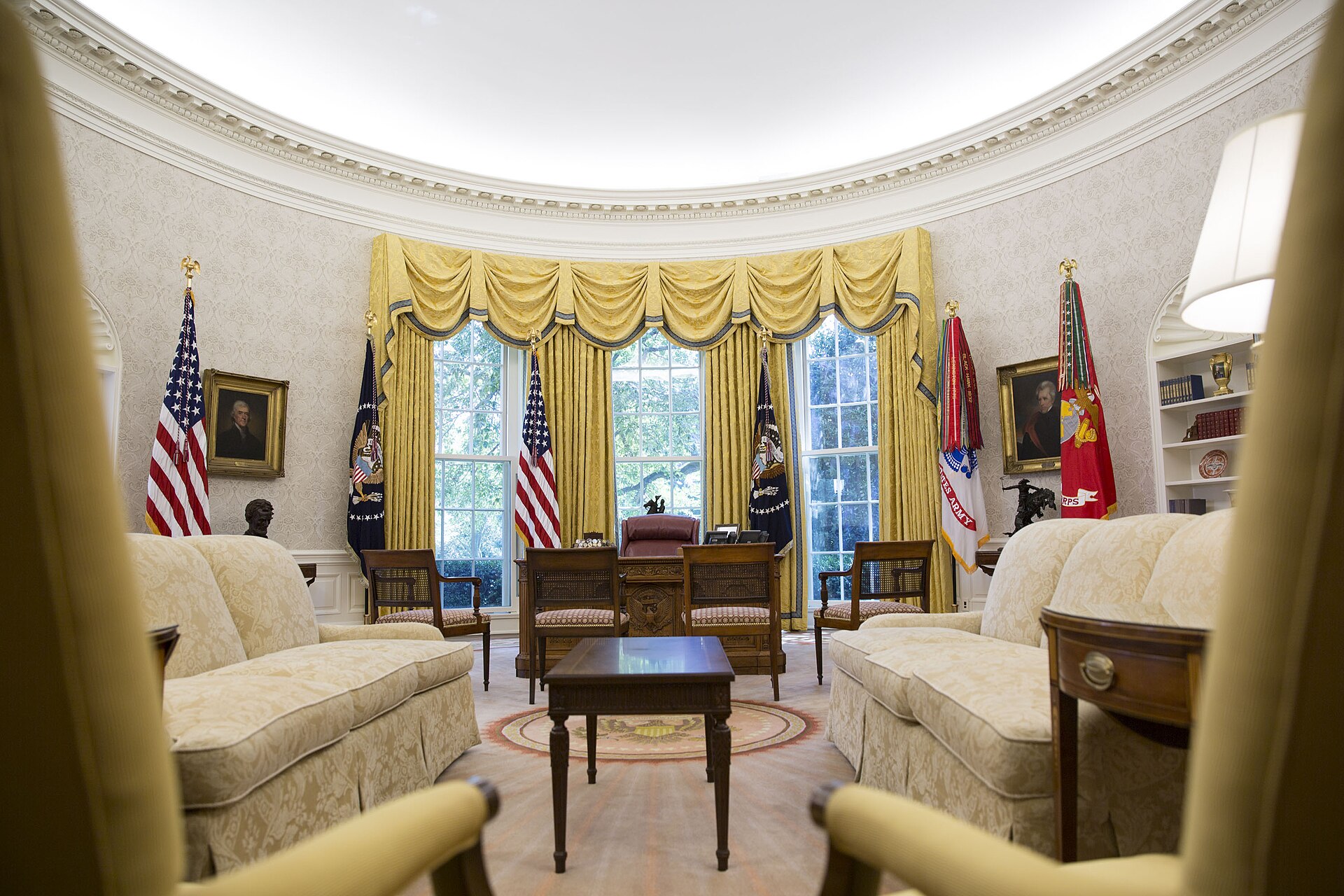
US President Trump Signs Proclamation Protecting Oval Office Design as National Monument
United States President Donald Trump has issued a proclamation designating the Oval Office and Cabinet Room as a national monument following midterm election losses.
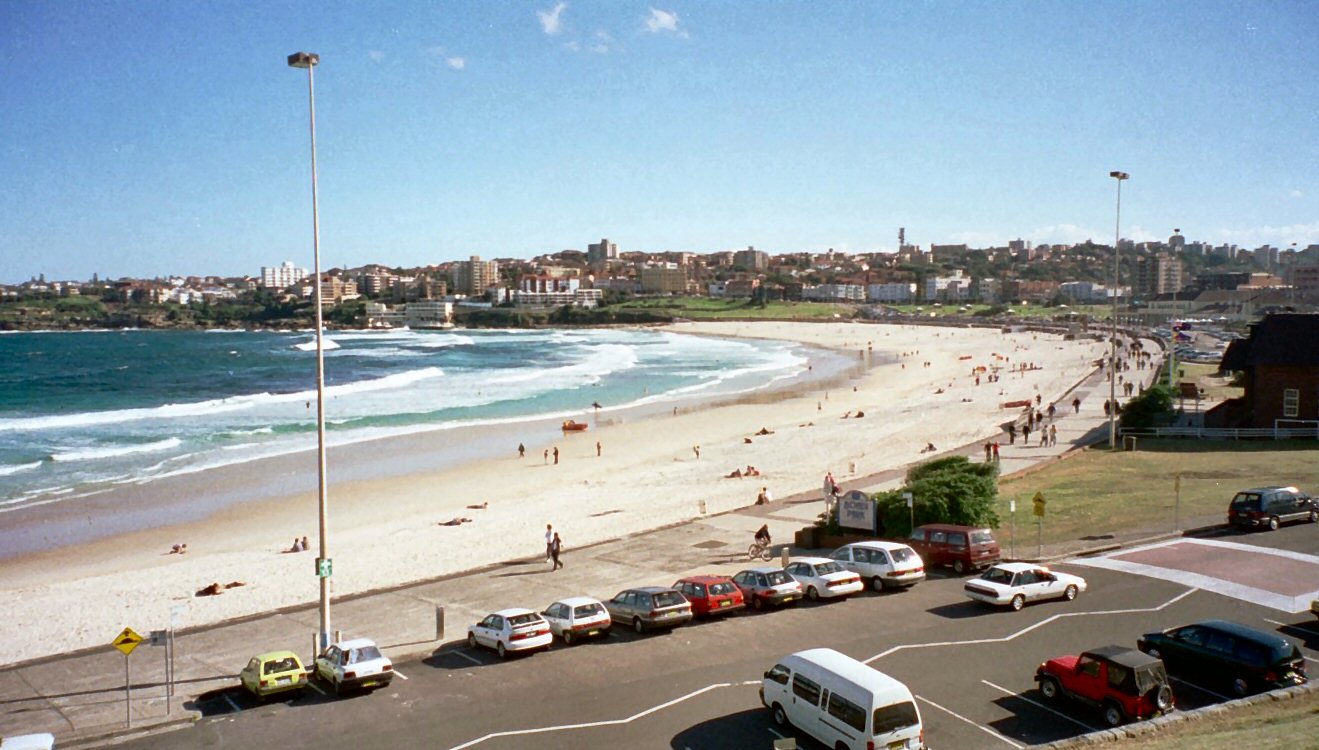
Victim of Bondi Terror Attack Passes Away Nearly One Year Later
A 90-year-old woman injured in the Bondi beach shooting has died in hospital following ongoing treatment and complications.
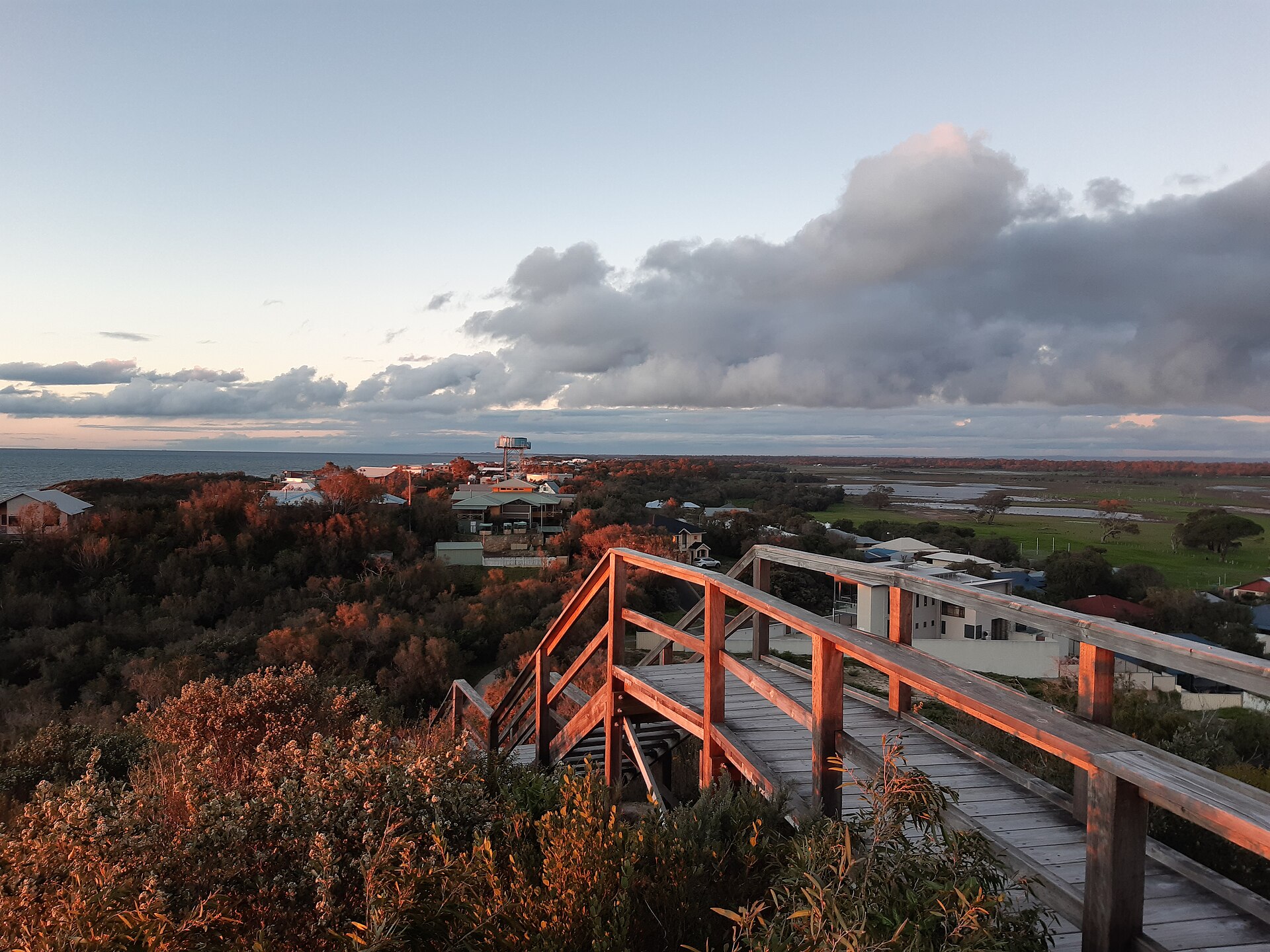
Fourth Whale Carcass Washes Up on Western Australia Coast, Prompting Disposal Debate
A 12.5‑metre, 14‑tonne humpback whale stranded at Peppermint Grove Beach near Capell, sparking discussion over removal methods and funding responsibilities.