
Carpenters halt work to apply improvised tourniquet on 93‑year‑old in Gracemere
While constructing a pergola in a Gracemere cul‑de‑sac, carpenter Josh Sander and apprentice Gary Tunbridge stopped their job to treat a bleeding 93‑year‑old man, using a dress, tape and a tea towel as a makeshift tourniquet before paramedics arrived.
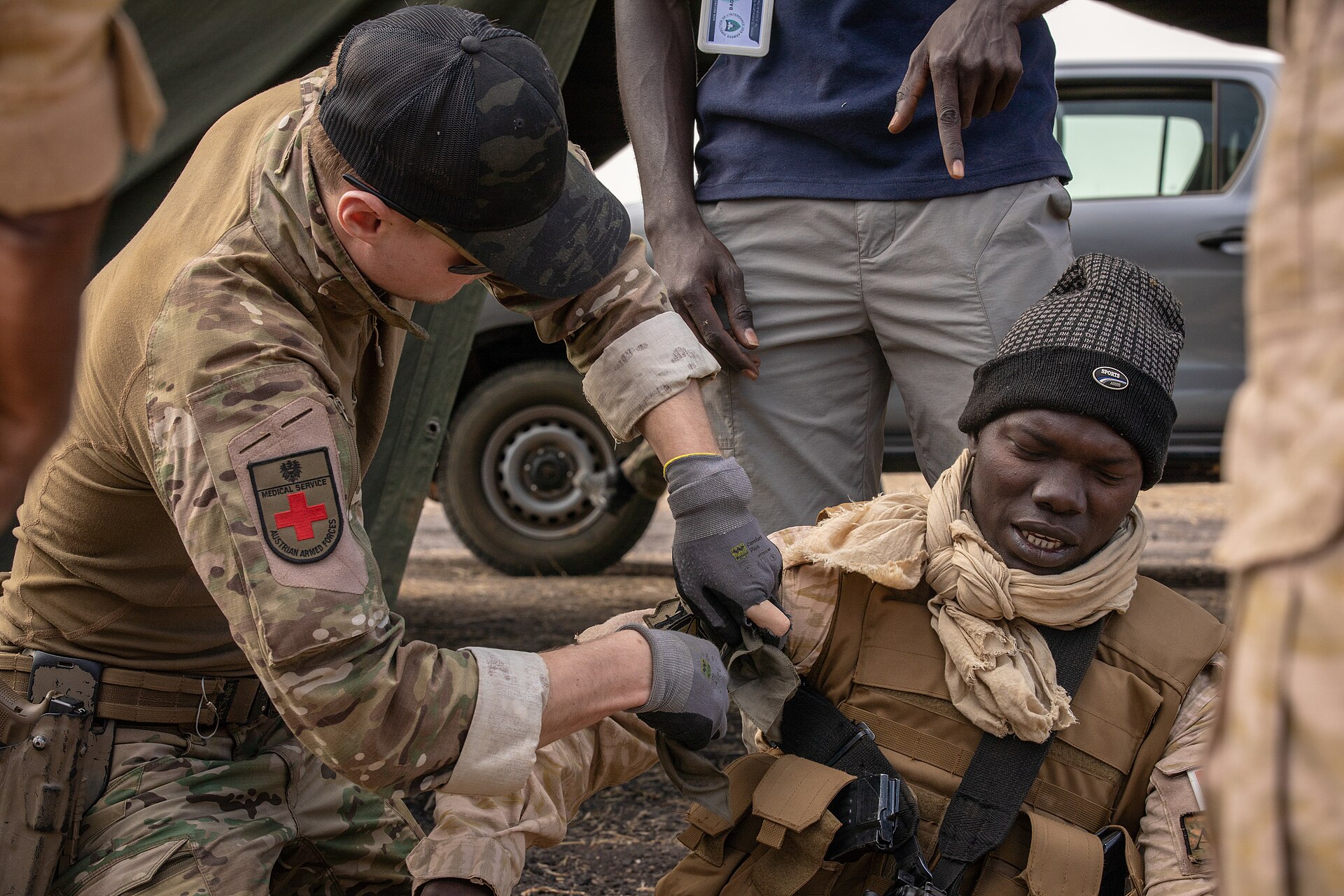
While constructing a pergola in a Gracemere cul‑de‑sac, carpenter Josh Sander and apprentice Gary Tunbridge stopped their job to treat a bleeding 93‑year‑old man, using a dress, tape and a tea towel as a makeshift tourniquet before paramedics arrived.
At about 8 a.m.
At about 8 a.m. on Monday, carpenter Josh Sander and his apprentice Gary Tunbridge were preparing to work on a pergola in a quiet cul‑de‑sac in Gracemere, central Queensland, when they heard a woman shouting from across the road. The pair rushed to the scene and found 93‑year‑old Ian Barton lying on his back patio, bleeding heavily from a wrist wound that had been caused when he tripped on a small ramp and fell onto a bowl of porridge.
Sander described the injury as an arterial cut, noting that the blood loss was rapid. He first wrapped the wound with a tea towel, but the bleeding continued. He then retrieved a dress from the house and asked Tunbridge to fetch adhesive tape from their work truck. Together they applied the dress and tightly wrapped the tape around the wrist, creating an improvised tourniquet that slowed the flow of blood.
During the emergency, Barton lost consciousness several times. The two men revived him each time by gently shaking him and speaking loudly. When they observed that Barton was choking, Tunbridge discovered a set of false teeth lodged in his mouth and removed them to restore his airway. The carpenters maintained pressure on the wound and monitored Barton while waiting for emergency services.
An ambulance arrived roughly 40 minutes after the incident.
An ambulance arrived roughly 40 minutes after the incident. Paramedics took over care and transported Barton to hospital. Sander and Tunbridge returned to their work site after confirming that Barton was stable. Both men were later described by local media as heroes for their quick response and for using available materials to provide life‑saving first aid.
The incident highlights the importance of basic first‑aid knowledge among tradespeople and the potential impact of immediate, improvised medical assistance in rural communities where professional help may be delayed.
This report presents the named publisher’s account and has not yet been independently corroborated.
Continue reading
Australia desk ↗
Australian teen cancer survivor performs with Benson Boone on Brisbane stage
Thirteen‑year‑old Kenzie Riddle, battling a second round of cancer, joined American singer Benson Boone onstage at the Brisbane Entertainment Centre after a viral Instagram video caught his attention.

Three Charged After Alleged Attempt to Remove Tissue from Deceased at Queensland Funeral Home
Police say two men and a woman were arrested and charged with misconduct involving a corpse after a funeral home owner reported suspicious behaviour during a viewing in Browns Plains.
Human Remains Discovered in Search for Long‑Missing Tasmanian Man
Volunteers from a missing‑persons nonprofit located what police say are likely the remains of Michael Vrankovic near George Town, prompting forensic testing to confirm identity.