
New Zealand Election Hangs in Balance as Preliminary Results Show Wafer-Thin Margins
The final composition of New Zealand's next government remains undecided following a closely contested general election that will require a weeks-long wait for special votes to be counted.
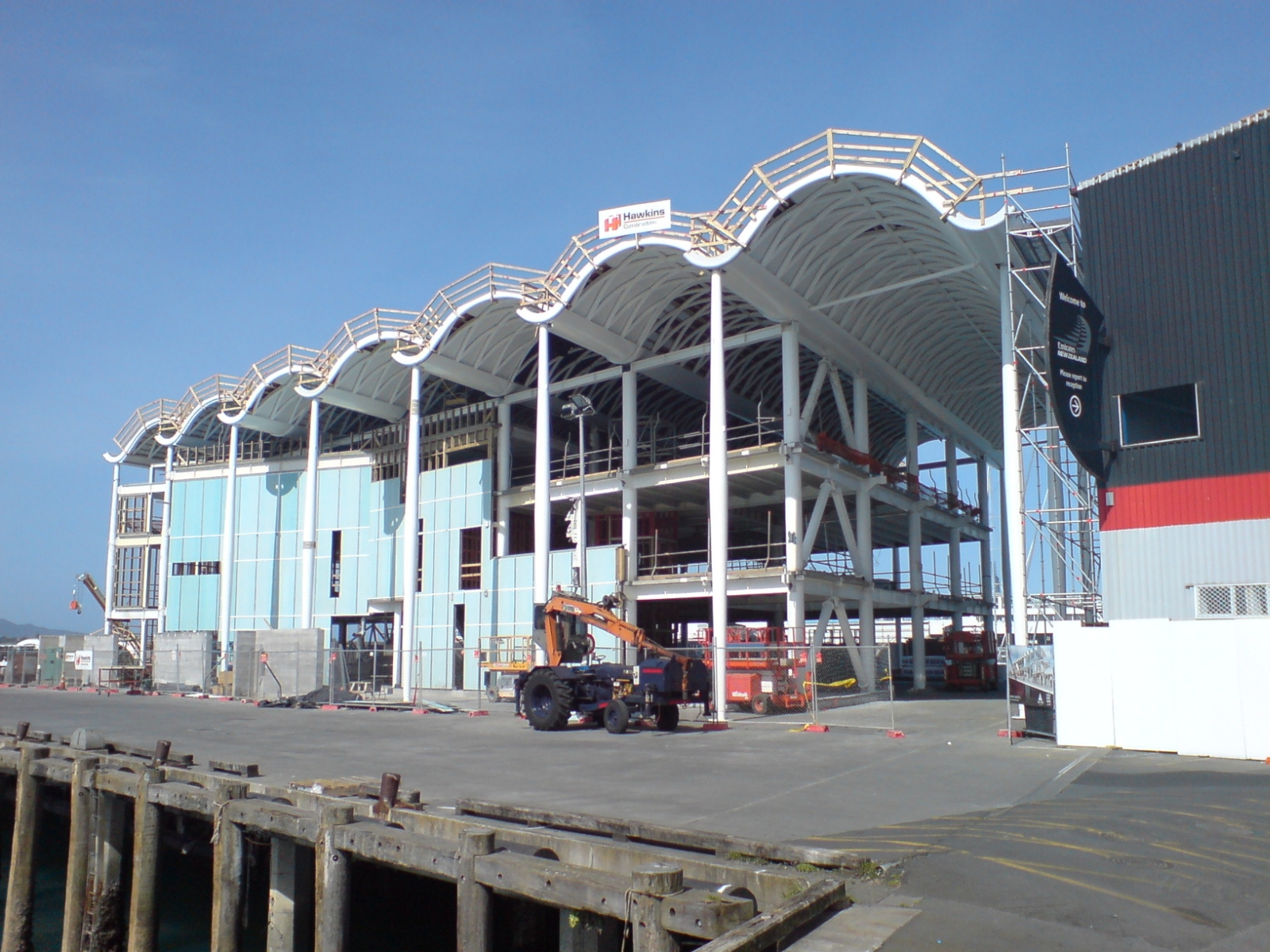
The final composition of New Zealand's next government remains undecided following a closely contested general election that will require a weeks-long wait for special votes to be counted.
The story
New Zealand could face a weeks-long wait to determine the composition of its next government after a tightly contested general election failed to deliver a decisive mandate to either the incumbent right-wing coalition or the opposition left bloc. Preliminary figures indicate that the centre-right National Party secured enough seats to potentially govern alongside its traditional coalition allies, the libertarian Act and populist New Zealand First parties. However, extremely narrow margins in several electorates and outstanding special votes leave the outcome uncertain until official results are released on 27 November.
Special votes, which encompass ballots cast overseas or outside a voter's home electorate, historically account for a significant portion of the total—reaching 21 percent in 2023—and tend to favour left-leaning parties. With nearly all regular ballots counted by Saturday night, the National Party won 42 seats, Act secured 13, and New Zealand First took 12. This combined tally creates a wafer-thin majority of 67 seats, leaving the left bloc trailing by just three seats.
Addressing supporters at Auckland's Viaduct events centre, Prime Minister Christopher Luxon stated that the race was "too close to call" and emphasised that special votes must be tallied before formal coalition negotiations can commence. Luxon noted that while National remains the largest party in parliament, its path forward remains precarious.
A closer look
On the opposition side, Labour Party leader Chris Hipkins addressed a crowd in Upper Hutt, remarking that voters had spoken but that ascertaining the exact message would take additional time. Labour secured 35 seats on preliminary figures, while its traditional partners, the Greens, won 16 and Te Pāti Māori claimed five. The centrist newcomer party, Opportunity, secured seven seats and reached the 5.9 percent threshold required to enter parliament, marking a historic first for a newly formed party under New Zealand's mixed-member proportional electoral system adopted in 1996.
The broader political landscape reflects a decline in support for the two major parties amid a sluggish economy and persistent inflation, which has driven heightened support toward smaller factions including Act, New Zealand First, the Greens, and Opportunity.
Read the source reports and compare their framing:
Continue reading
Politics desk ↗
New Zealand General Election Concludes Without Decisive Majority
Preliminary results leave New Zealand's political parties preparing for coalition negotiations as the country awaits final electoral counts.
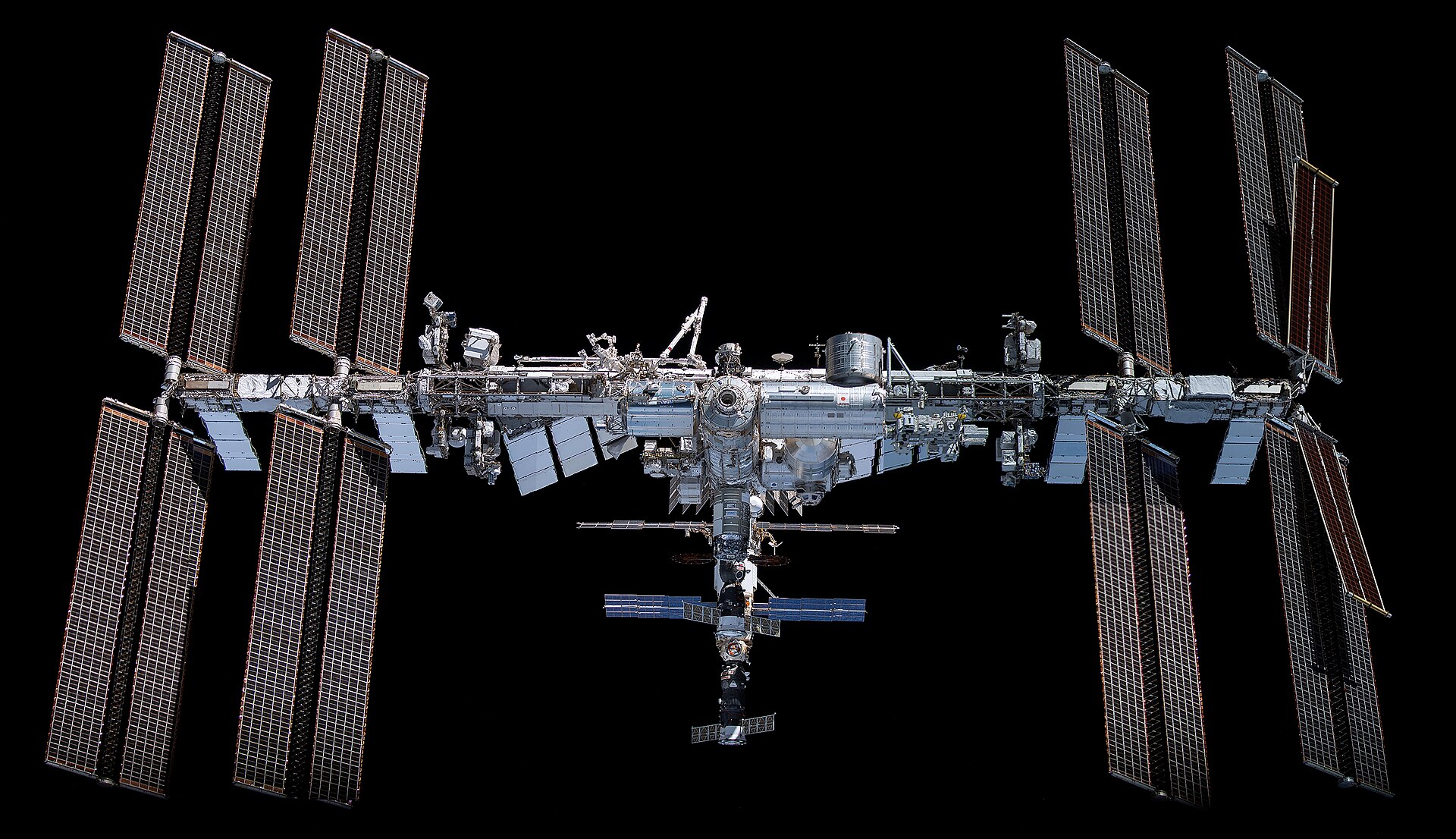
Pakistan to Send First Foreign National to Chinese Space Station
A Pakistani astronaut has been selected for the upcoming Shenzhou-24 mission, marking the first time a foreign national will visit China's orbital station.
Resource Pressures Slow Down Rapid Datacentre Expansion Across South-East Asia
Growing demand for artificial intelligence infrastructure has driven major investments across south-east Asia, but resource constraints and regulatory pauses are slowing the boom.