
Japan plans ¥56 trillion defence budget, short of what its military asked for
The five-year figure is a record in cash terms but falls well below the ¥80 trillion the defence ministry sought, and lawmakers say repayments will eat the increase.
 Daniel Fischer · Published · 2 min read
The story
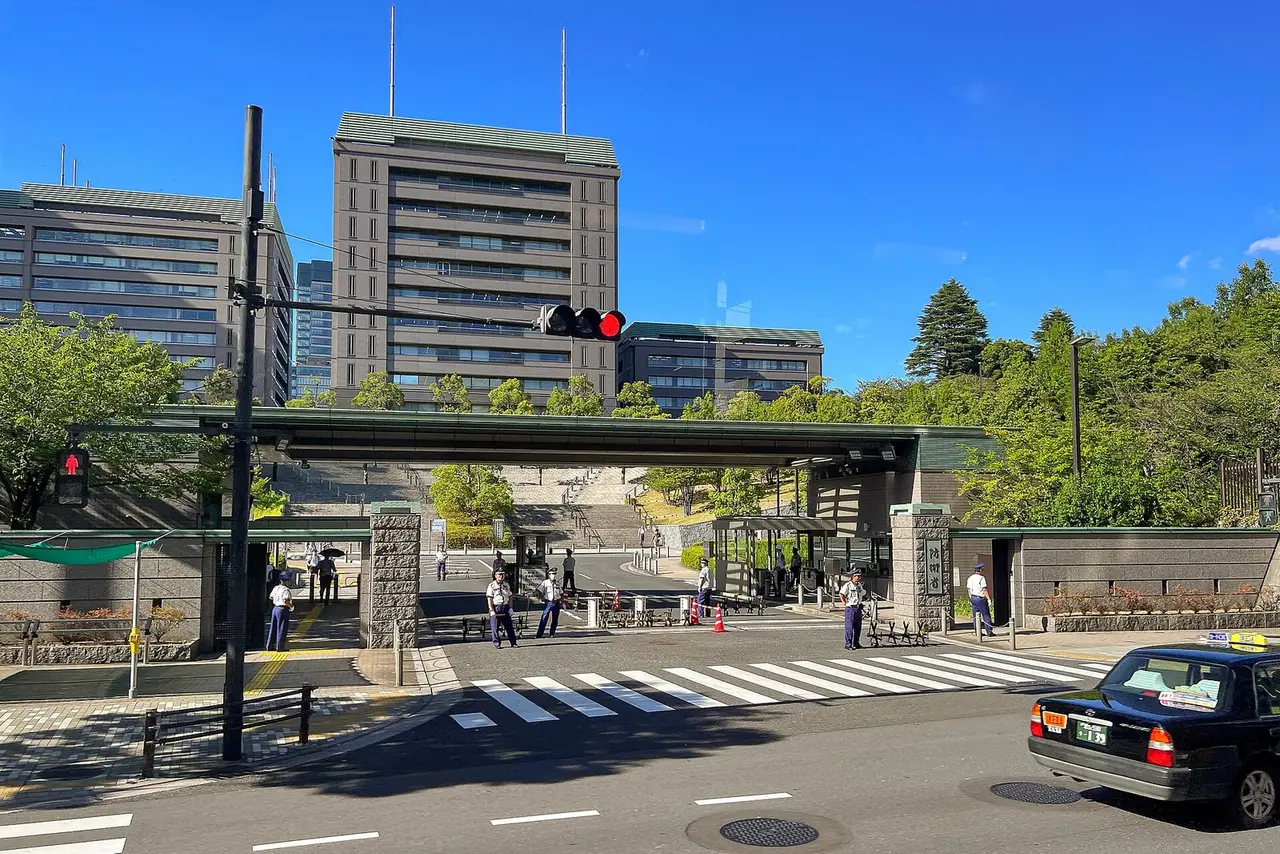
Japan's government is preparing to set defence spending at ¥56.3 trillion ($353 billion) over the five years from fiscal 2027, a record sum in cash terms but well below what the defence ministry and ruling-party hawks had sought.
Prime Minister Sanae Takaichi is expected to decide on the figure shortly, with the Asahi Shimbun reporting that the government has been coordinating on ¥56.3 trillion. The current five-year plan, which runs from fiscal 2023 to fiscal 2027, totals about ¥43 trillion. Takaichi brought forward the revision of Japan's three security documents by a year, citing the worsening security environment around the country.
The number lands after months of lobbying from within the ruling bloc for ¥70 trillion or more. The defence ministry had estimated its requirements at around ¥80 trillion, and lawmakers argued that even the government's ¥60 trillion outline amounted to a real-terms cut once future payment obligations were counted. Under Japan's procurement system, aircraft and ships are financed through loans repaid over up to five years, and the ministry expects ¥16.8 trillion in instalment payments from fiscal 2027, leaving less money for new programmes.
A closer look
The defence ministry's budget request for fiscal 2027 prioritises stand-off defence, integrated air and missile defence, and unmanned systems, alongside investment in cyber and space. Officials have warned that fixed costs for personnel, maintenance and existing contracts are consuming a growing share of each annual budget.
Japan has been steadily raising defence spending and loosening the limits that once constrained its military, citing Chinese and North Korean activity as well as uncertainty over US commitments. The new five-year total will shape procurement decisions for the rest of the decade, including missile stocks, fighter aircraft and naval programmes, and will be watched closely in Seoul, Beijing and Washington.
Continue reading
Defence desk ↗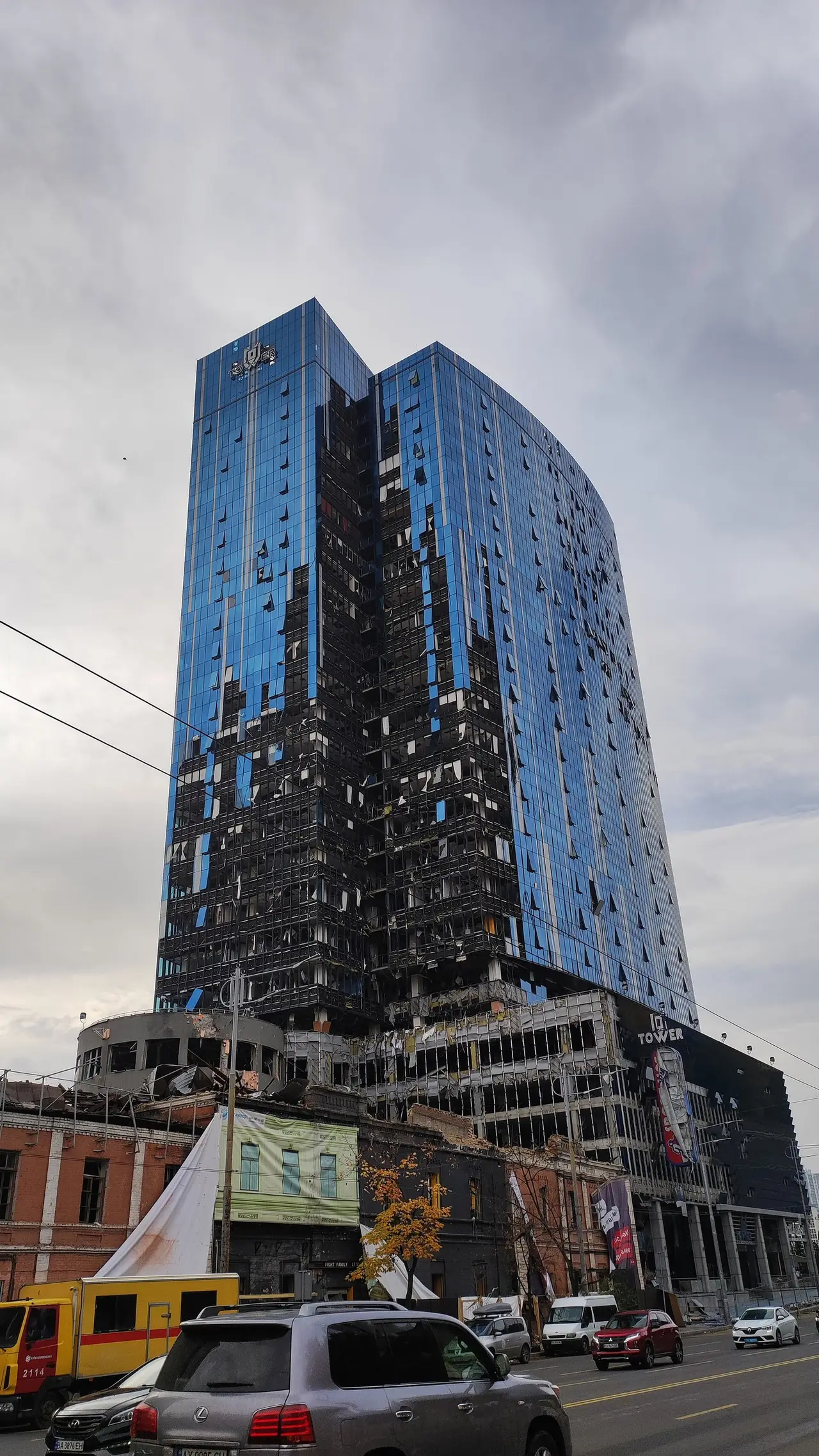
Russian ballistic missiles hit Kyiv shopping centre as Ukraine warns of a new grid attack
Seven people were injured in the capital and six killed elsewhere overnight, while Volodymyr Zelensky said Moscow is preparing another mass strike on energy and logistics.
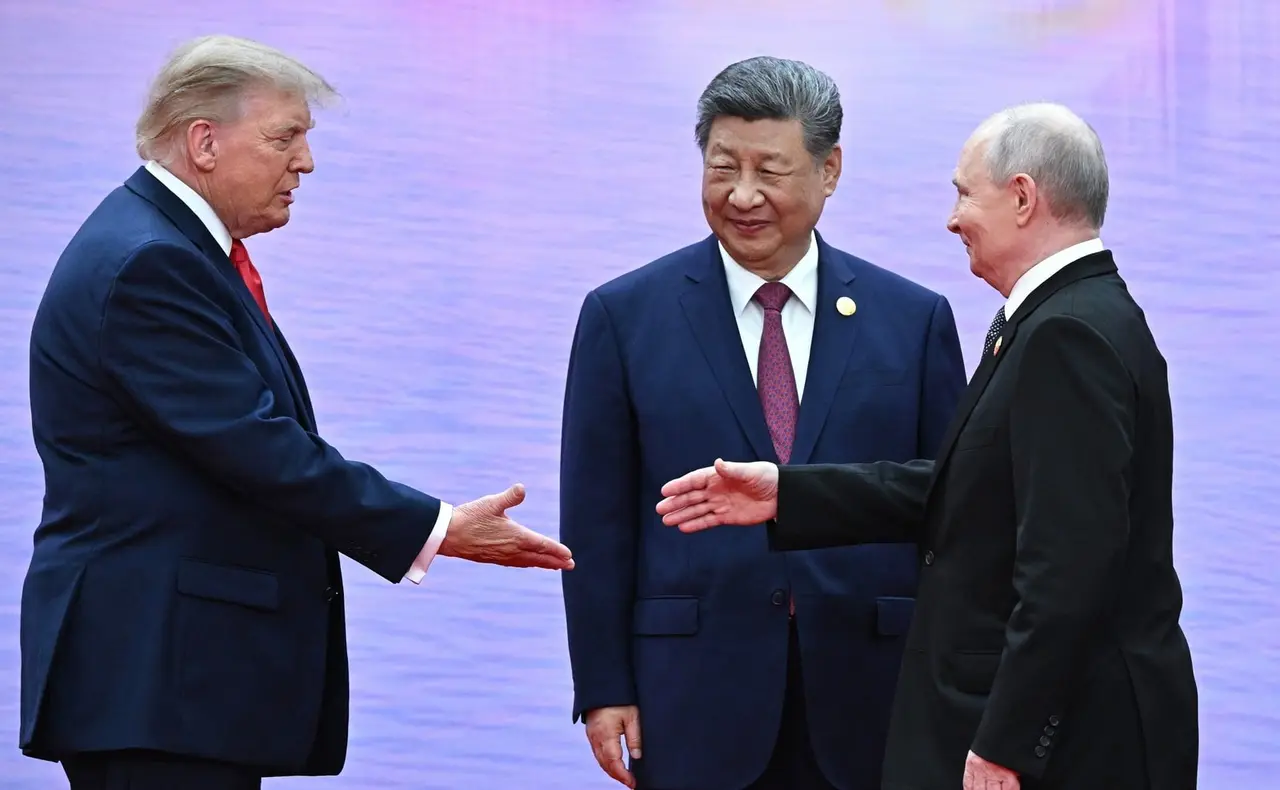
Trump tells Putin to 'pull back' military aggression in Europe and opens the door to the G20
The US president, speaking after their meeting in China, called the war a 'complete bloodbath' and said Putin wants a deal, a week after describing him as a friend.
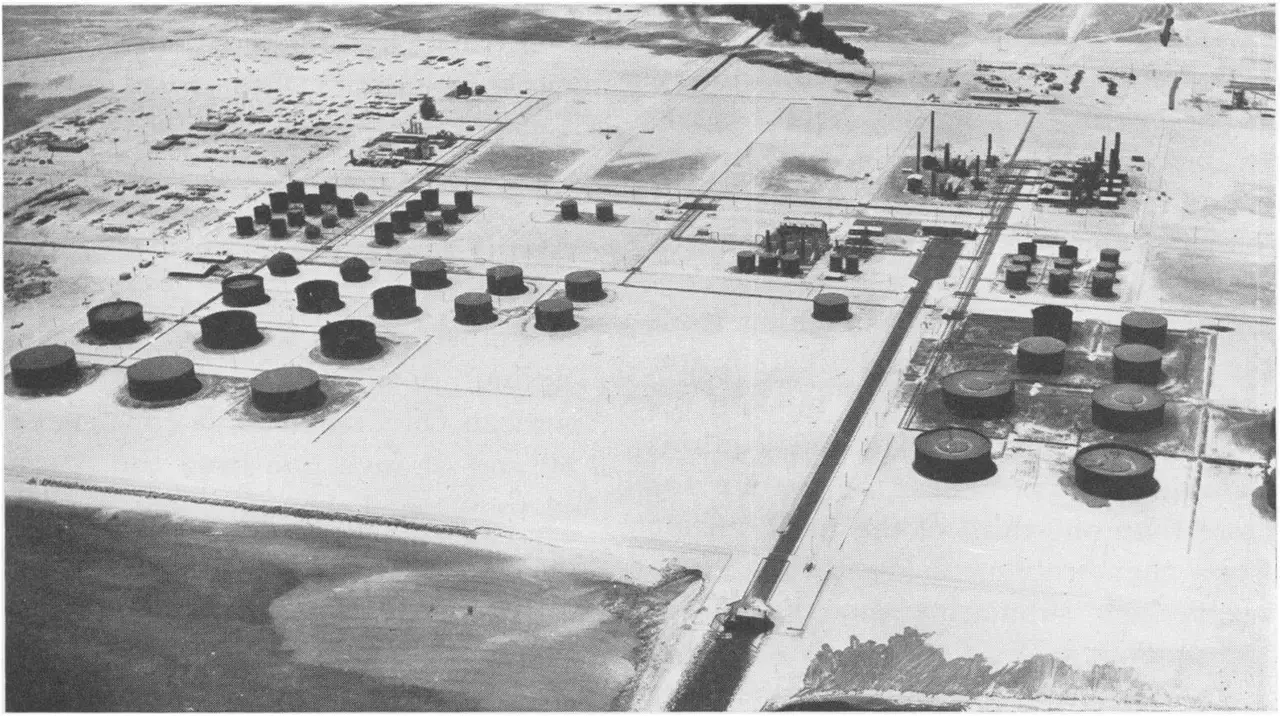
Houthis claim strike on Saudi Arabia's largest refinery as oil jumps
The attack on Ras Tanura and a second hit on Riyadh's financial district pushed Brent towards $95, with mines also reported in the Strait of Hormuz.