
Houthis claim strike on Saudi Arabia's largest refinery as oil jumps
The attack on Ras Tanura and a second hit on Riyadh's financial district pushed Brent towards $95, with mines also reported in the Strait of Hormuz.
 Ibrahim Hassan · Published · 2 min read
The story
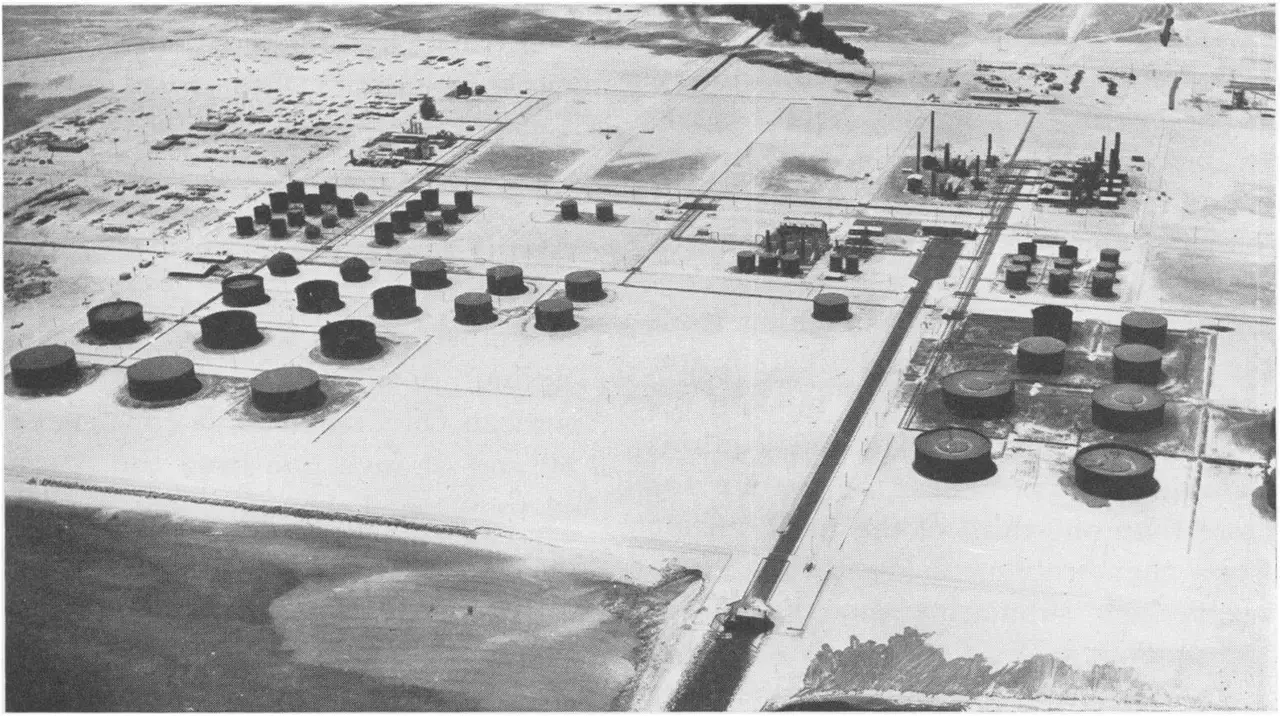
Yemen's Houthi movement said it struck Saudi Arabia's largest oil refinery and Riyadh's financial district, sending thick black smoke over the Ras Tanura complex and pushing crude prices higher for a third session.
Houthi military spokesman Yahya Saree said the strike on Ras Tanura, in the kingdom's Eastern Province, was "accurate and direct" and had caused fires at the site. A source with knowledge of the matter confirmed an attack on the refinery, which has a capacity of about 550,000 barrels a day and sits inside a complex that also serves as a major export terminal for Saudi crude.
Saudi civil defence said 11 people were wounded in a strike on a tower in Riyadh's financial district, the second attack on the building in a week. Satellite images reviewed by news agencies showed a large plume of smoke above Ras Tanura. Saudi forces said they intercepted four drones fired at the refinery earlier in the week.
A closer look
Brent crude settled $3.21, or 3.5 per cent, higher at $94.61 a barrel on Wednesday, the highest in more than a week, while US West Texas Intermediate rose 2 per cent to $83.68. Prices were up about 5 per cent for the week, recovering part of a roughly 25 per cent fall since the start of November.
Iran's Revolutionary Guards said mines struck two tankers near Oman, adding to disruption in the Strait of Hormuz, the main exit route for Gulf energy exports. Analysts said the attacks had revived a geopolitical risk premium ahead of Sunday's OPEC+ meeting, even as rising US inventories and expectations of a global surplus weighed on the market.
Continue reading
Defence desk ↗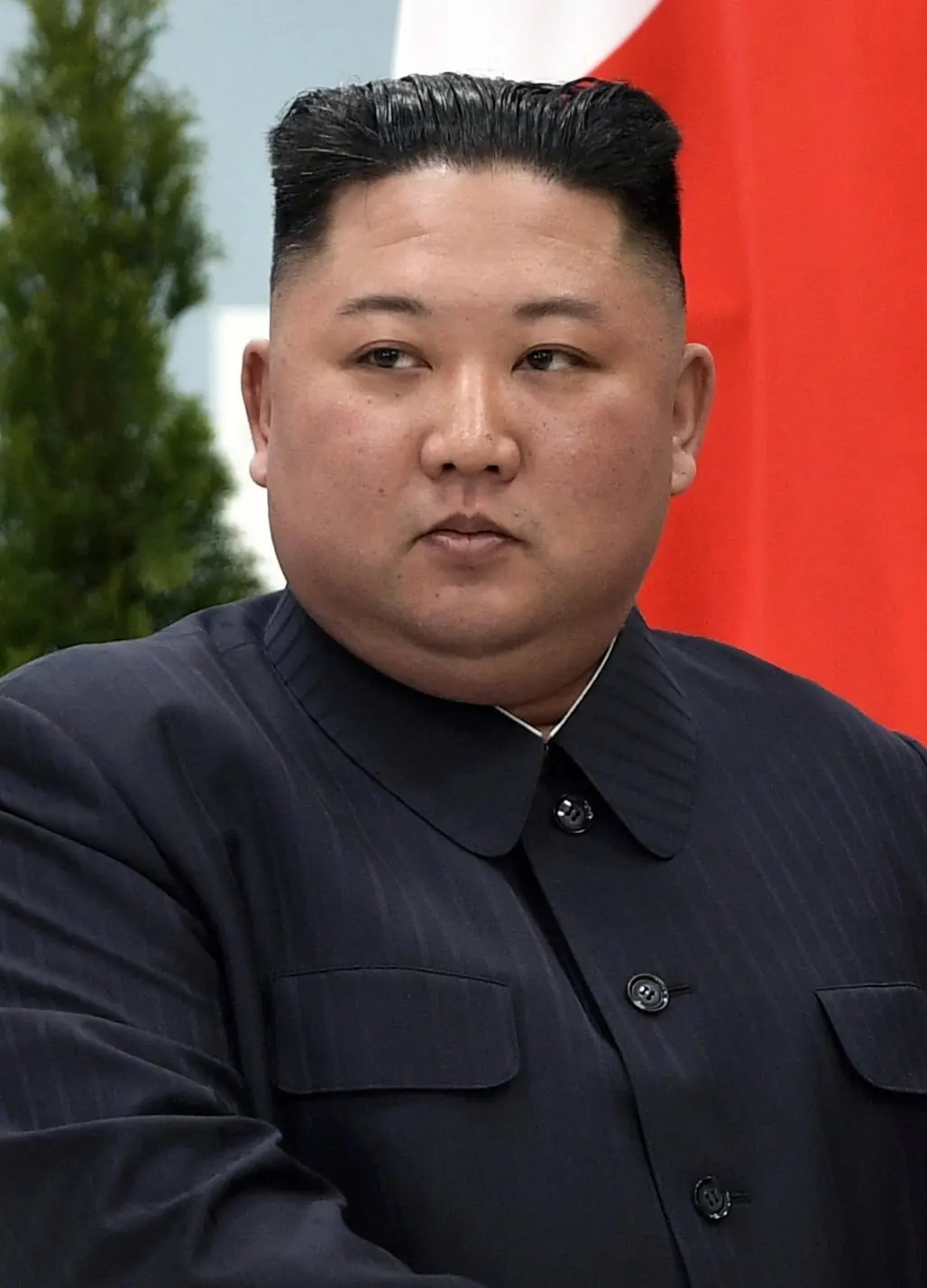
Kim Jong Un calls for wider deployment of tactical nuclear weapons
North Korea's leader used a tour of nuclear facilities to say battlefield warheads should be spread across multiple domains, as Seoul pledged readiness.
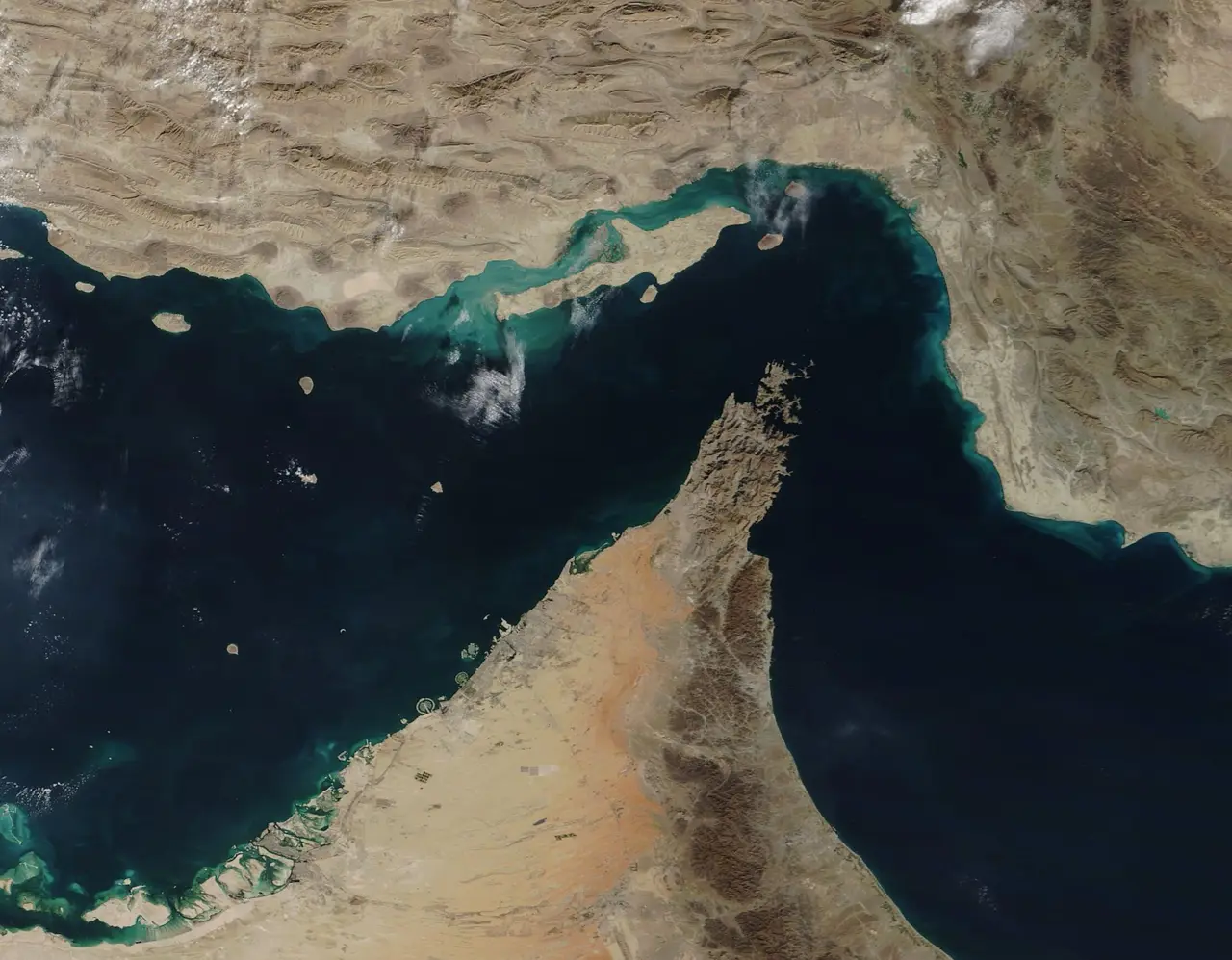
Iranian drones kill two Italian technicians at Kuwait air-defence site
Rome and Kuwait blame Tehran for the strike on a Skyguard radar station, while Iran denies it and attacks on shipping and Saudi energy sites push oil higher.
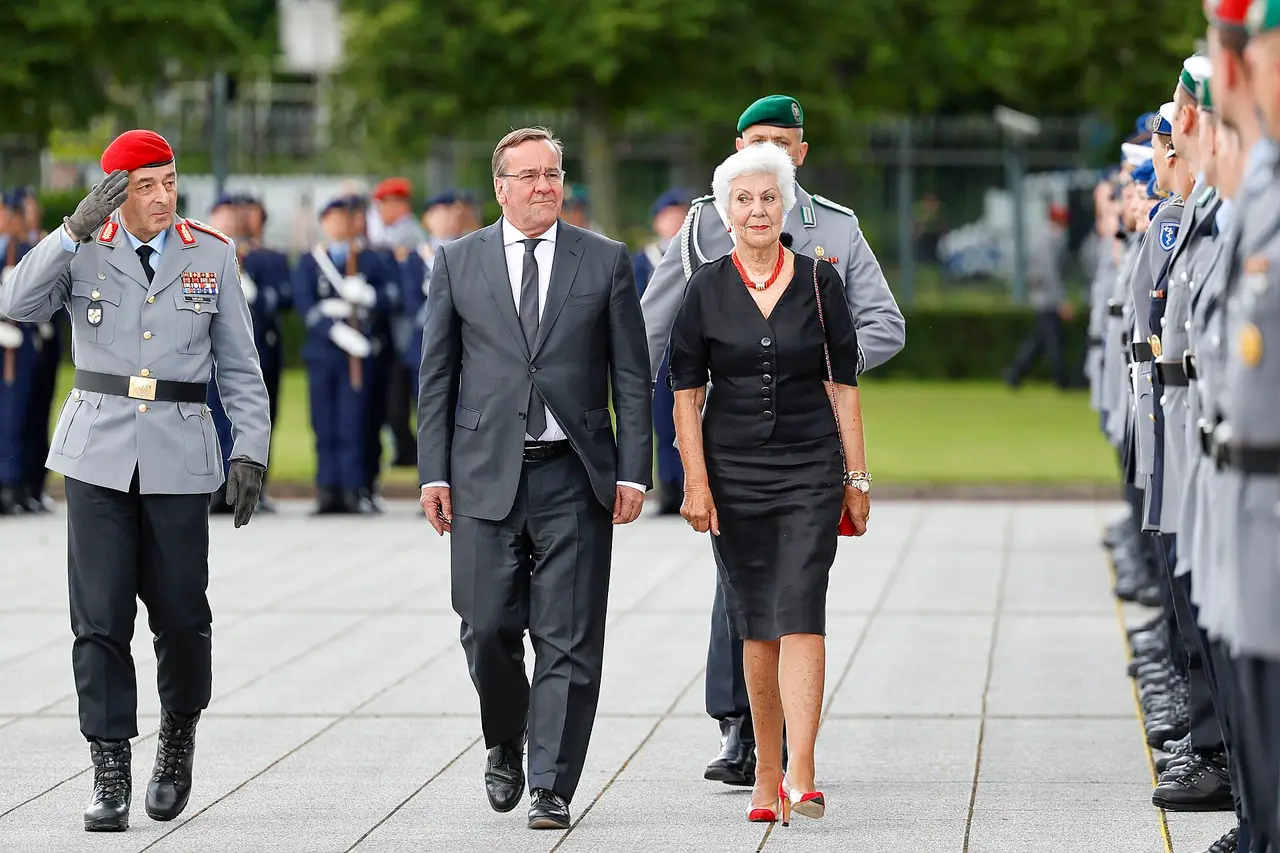
US Envoy Jared Kushner Says Russian President Vladimir Putin Has Shown Restraint on Nuclear Weapons
U.S. presidential envoy Jared Kushner stated in a podcast interview that Russian President Vladimir Putin has agreed not to deploy nuclear weapons in Ukraine.