
Iranian drones kill two Italian technicians at Kuwait air-defence site
Rome and Kuwait blame Tehran for the strike on a Skyguard radar station, while Iran denies it and attacks on shipping and Saudi energy sites push oil higher.
 Ibrahim Hassan · Published · 4 min read
The story
Two Italian technicians were killed in Kuwait on Thursday when drones struck an air-defence site, an attack that Rome and Kuwait City blame on Iran and that has pulled the European Union deeper into the Gulf war.
Kuwait's defence ministry said its air defences detected and intercepted several drones before shrapnel fell on a "vital site". Four people were hurt: the two Italians, a captain in the Kuwaiti army and a Pakistani national. Foreign Minister Antonio Tajani told the Senate in Rome that drones had targeted "Kuwaiti military installations" at about 2pm local time. The two Italians died of their injuries, the ministry said.
Italy's foreign ministry said the pair were technicians from Rheinmetall Italia, the Italian arm of the German defence group, carrying out maintenance on the detection antennas of a Skyguard air-defence system used by the Kuwaiti armed forces. Italian media reported that one was 36 and the other 65 and close to retirement. Italy's embassy in Kuwait was in contact with local authorities, the ministry said, and Prime Minister Giorgia Meloni offered her condolences to the families.
Kuwait's army called the strike "heinous Iranian aggression".
Iran rejected responsibility. "No military or offensive operations have been conducted" by Iran's armed forces, spokesman Abolfazl Shekarchi said, according to Iranian state media, which reported that Tehran had categorically denied attacking Kuwaiti airspace.
It was the first fatal strike in Kuwait in months, and it came just over a week after the Gulf state said it had repelled overnight drone attacks on an airbase hosting US forces. European Commission President Ursula von der Leyen said the attack showed the war could not be contained to the region. "We must step up pressure on Iran to end these unacceptable attacks against its neighbours and our partners in the Gulf," she said. "Security in the Gulf is a security issue for us all."
The wider war began in late February, when the United States and Israel attacked Iran. Tehran has since fired missiles and drones at Israel and at Gulf Arab states that host US military assets, while Iranian-backed militias have attacked American allies across the region.
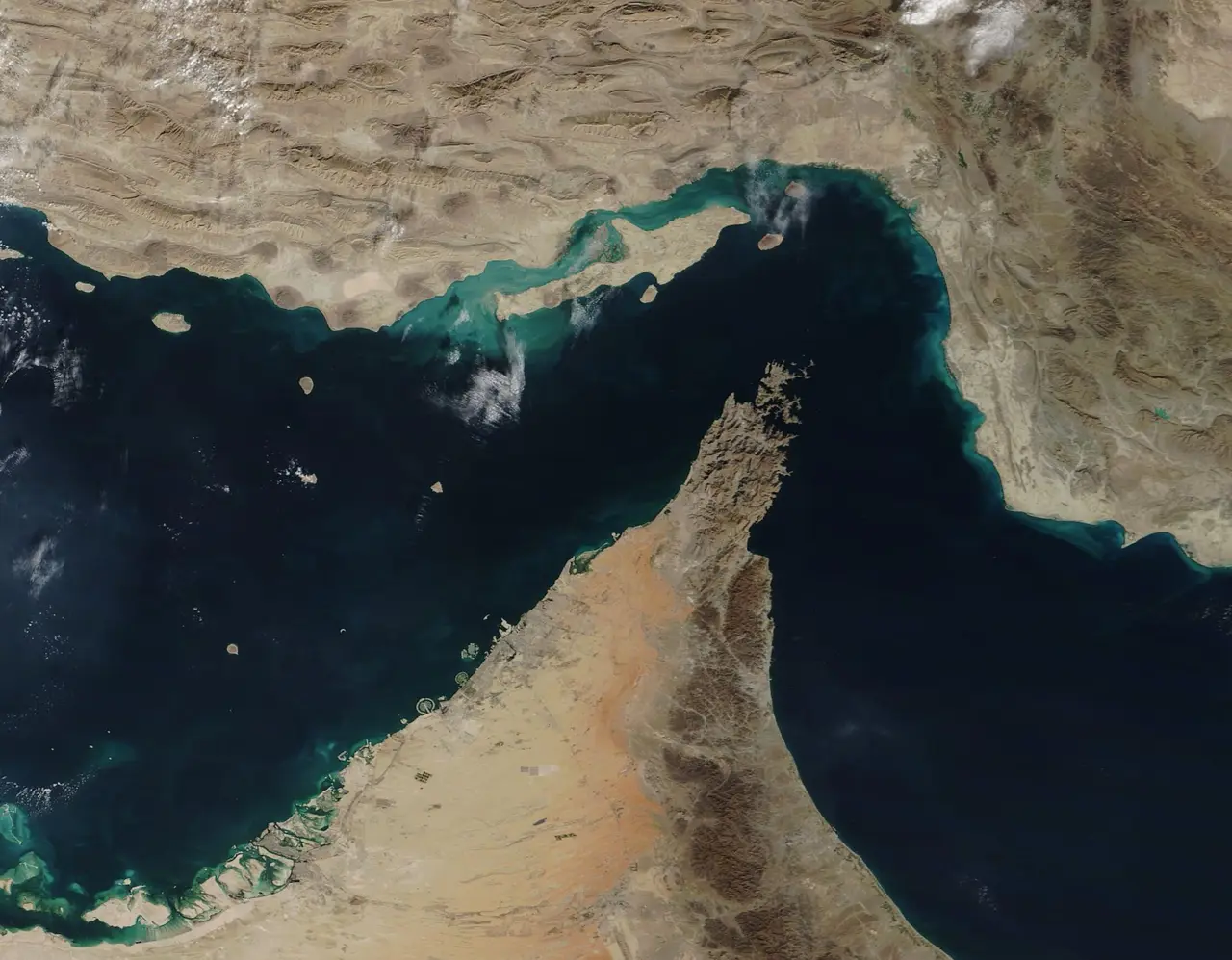
The waterway at the centre of the conflict was again in dispute on the same day.
Iran's Revolutionary Guards navy said two tankers had struck naval mines north of Oman's Khasab port while trying to cross the Strait of Hormuz by what it called an unauthorised route, and that one, a supertanker carrying more than two million barrels of crude, was left burning. The United Kingdom Maritime Trade Operations agency reported that a tanker was hit by an unknown projectile about 18 nautical miles east of Khasab on Wednesday while outbound, with the crew safe, and reported an explosion near a tanker about 50 nautical miles west of Dubai on Thursday. Maritime agencies have frequently logged such incidents as strikes by unknown projectiles without confirming the Iranian accounts.
In Saudi Arabia, the Houthis said they had attacked the Ras Tanura refinery, the kingdom's largest and a major crude export terminal, and a tower in Riyadh's King Abdullah Financial District. The Saudi-led coalition said its air defences intercepted two ballistic missiles fired towards Riyadh early on Thursday and two drones over the Eastern Province, after shooting down a drone near Jeddah Islamic Port and destroying a cruise missile aimed at western Saudi Arabia a day earlier. A Houthi projectile struck Jazan port, causing minor damage and no civilian injuries, the coalition said.
Oil rose on the attacks. Brent settled at $92.29 a barrel on Wednesday, up 89 cents, after the Houthi claims, and edged higher again on Thursday as the shipping incidents revived concern about supply from a strait that carries about thirty percent of the world's seaborne oil.
Diplomacy offered little immediate relief.
NATO Secretary General Mark Rutte met US President Donald Trump at Mar-a-Lago on Thursday, and the White House said the war in Ukraine and the conflict with Iran were the primary subjects. In Rome, attention turned to whether Italy, and the wider European Union, will now treat the Gulf as a front of its own.
Continue reading
Defence desk ↗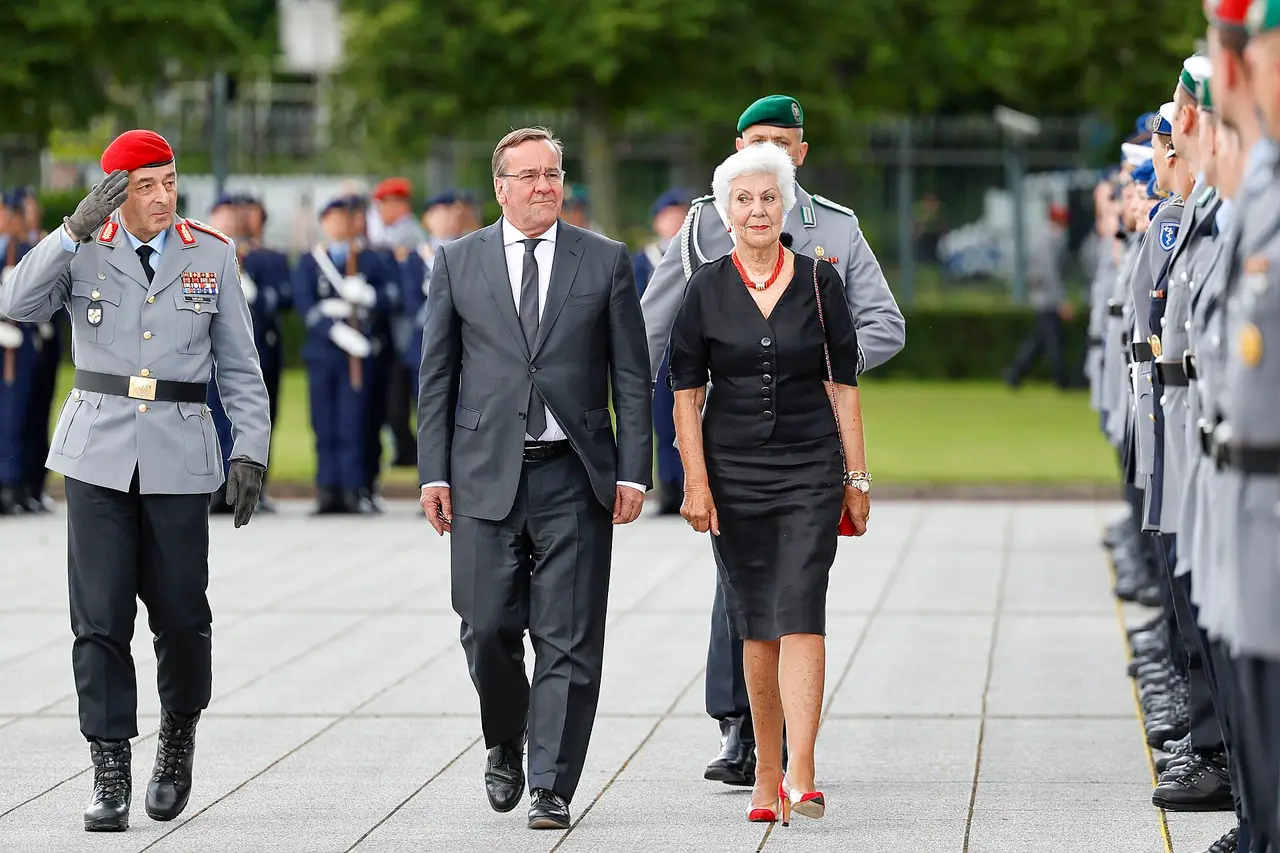
US Envoy Jared Kushner Says Russian President Vladimir Putin Has Shown Restraint on Nuclear Weapons
U.S. presidential envoy Jared Kushner stated in a podcast interview that Russian President Vladimir Putin has agreed not to deploy nuclear weapons in Ukraine.
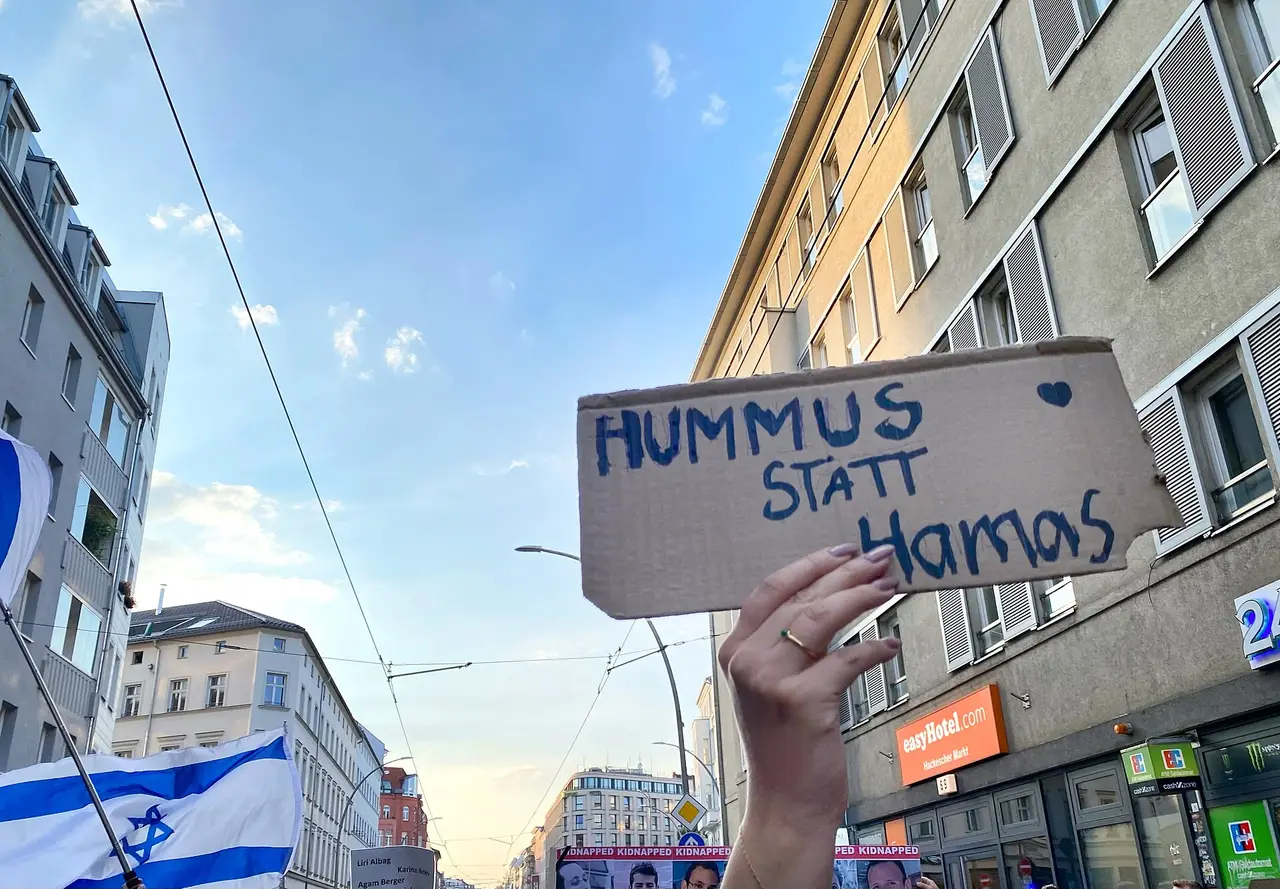
Israeli Defence Minister Threatens Further Evacuations in Gaza Amid Continuing Airstrikes
Israel's interim defence minister has warned of a southward evacuation for one million Gaza residents if Hamas does not surrender its weapons, as overnight strikes kill multiple people.
Iranian drones intercepted over Kuwait, two Italian workers killed
Kuwait's air defence reported the detection and interception of hostile Iranian drones, injuring four people and causing material damage; two Italians employed by Rheinmetall were among the fatalities.