
Beijing Urges Washington to Avert Tariff Escalation Amid Fresh Trade Proposals
China has cautioned the United States against pursuing new import levies, describing overcapacity concerns as a pretext for political manipulation.
 Alexander Bennett · Published · 3 min read

The story
Beijing has urged the United States to maintain stable trade relations after the Donald Trump administration proposed fresh tariffs affecting 14 major trading partners, including China, the European Union, Japan, and India. The announced measures include an additional 20 per cent levy on Chinese goods as part of a broader effort by Washington to address excess industrial capacity and unfair trade practices.
The proposals, pursued under Section 301 of the Trade Act of 1974, remain at the preliminary stage and are subject to a public notice-and-comment process alongside a scheduled hearing. A senior United States administration official indicated that implementation could be deferred until January. According to news agencies, some Chinese products could face a combined tariff rate of 45 per cent once the additional duties are incorporated with existing tariffs.
Washington contends that foreign subsidies and trade barriers encourage excessive manufacturing output, permitting cheaper goods to enter the American market and placing domestic manufacturers at a disadvantage. The administration has highlighted sectors ranging from steel and electric vehicles to solar equipment. Officials stated that the proposed duties would not exceed negotiated limits, such as a 20 per cent cap for China under a trade truce set to expire in January, and would exclude roughly 30 billion dollars in Chinese imports slated for separate bilateral reductions.
China strongly rejected the United States overcapacity allegations.
Foreign Ministry spokesperson Guo Jiakun told a regular news briefing that the issue of overcapacity is a false premise and accused Washington of utilizing it as an excuse for political manipulation. Guo stated that tariff wars serve no one's interest and emphasized that both nations should resolve relevant matters through consultation founded on equality, respect, and mutual benefit.
In addition to measures targeting China, the United States proposed separate tariff actions against other economies, including Brazil. Washington outlined a new 10 per cent duty on finished aircraft and higher tariffs on specific sugar imports outside quota limits, following what officials described as unsuccessful negotiations with Brasilia over policies including deforestation and instant-payment systems. Brazil rejected the allegations and requested a World Trade Organization dispute panel to examine earlier tariffs.
Read the source reports and compare their framing:
Continue reading
Politics desk ↗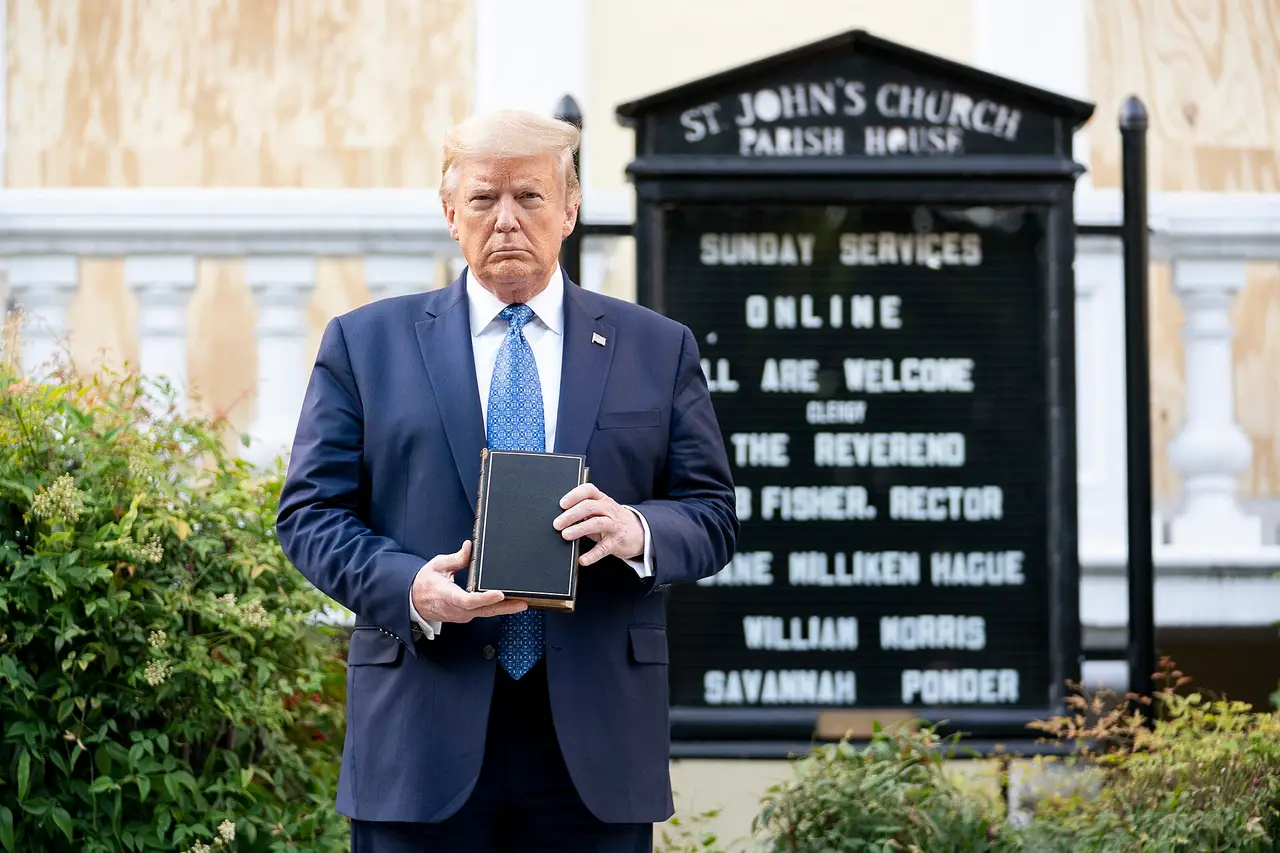
United States Proposes New Tariffs on 14 Trading Partners Citing Excess Capacity
The Trump administration has proposed targeted tariffs on 14 trading partners and the European Union, utilizing Section 301 of the Trade Act of 1974 following a federal investigation into manufacturing practices.
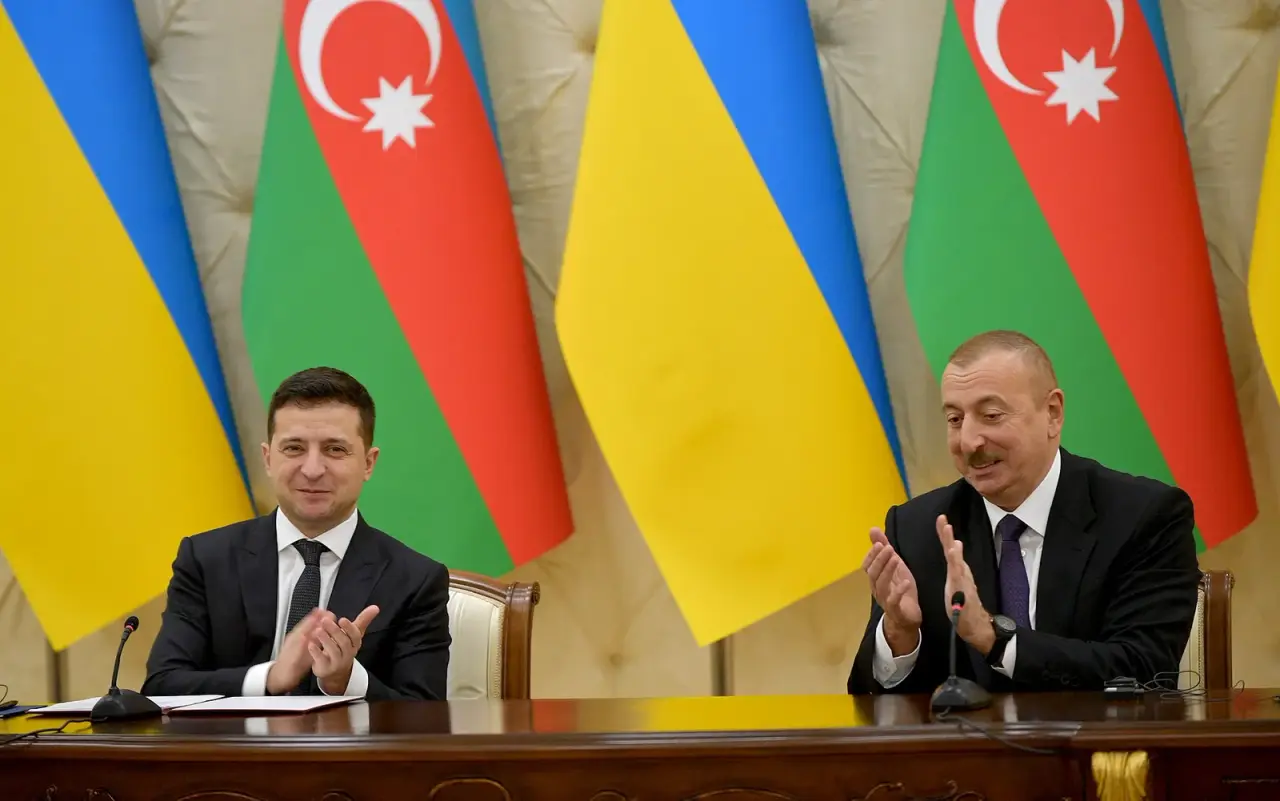
Zelensky says he learned of Trump-announced energy cease-fire from media reports
Ukrainian President Volodymyr Zelenskyy told the Warsaw Security Forum that Russian attacks on energy sites continued after Donald Trump declared an “energy cease-fire” on social media.

US, China and Russia leaders convene for first trilateral talks in Shenzhen
President Donald Trump, President Xi Jinping and President Vladimir Putin met on the sidelines of the APEC summit in Shenzhen, marking the inaugural three-way summit of the three major military powers.