
Judge blocks Trump's second birthright citizenship order for a class of children
A 67-page ruling in Washington, DC said the president cannot carve out new exceptions to the 14th Amendment guarantee, and refused to pause the injunction.
 Alexander Bennett · Published · 3 min read
The story
A federal judge has blocked President Donald Trump's second attempt to narrow birthright citizenship, ruling that children born in the United States remain citizens even when their parents are not.
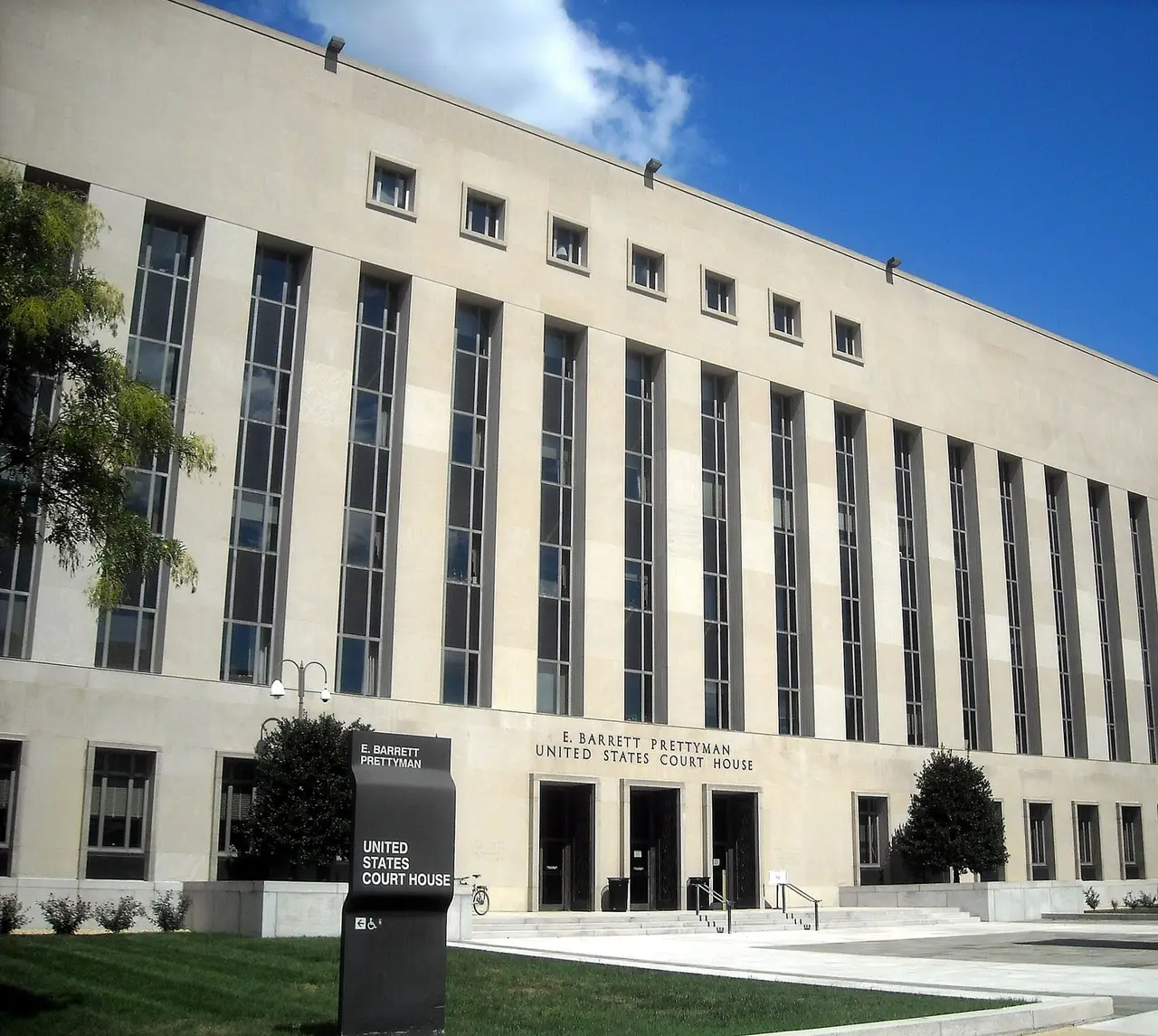
Judge Christopher Cooper of the US District Court for the District of Columbia issued a 67-page decision on Wednesday in Nathan v. Trump, granting a classwide preliminary injunction against Executive Order 14418, which Trump signed on 6 August after the Supreme Court struck down his first order. The injunction bars the State Department, the Department of Homeland Security and the Social Security Administration from enforcing the order against children covered by the class, and Cooper refused the government's request to pause it pending appeal.
"Children born in the United States and subject to its jurisdiction are American citizens from birth," Cooper wrote, adding that the rule is "enshrined in the Fourteenth Amendment's Citizenship Clause" and "deeply rooted in our legal tradition". He said the merits were "clear-cut" and that the president "cannot carve out new exceptions to birthright citizenship for children born within the United States and subject to its laws".
A closer look
The order had told agencies not to issue citizenship documents to US-born children when neither parent is a citizen and one of several conditions applies, including parents suspected of terrorism or gang membership, parents who used commercial surrogacy abroad, employees of foreign governments or international organisations, and people the administration labels alien enemies. Cooper certified a class of children born on or after 6 August who would be denied citizenship under those categories, excluding those born to accredited diplomats.
"Barbara's ink had scarcely dried when the President issued a second executive order," Cooper wrote, referring to the Supreme Court's June ruling in Trump v. Barbara. A Maryland judge blocked the same order in September. The White House called the ruling the work of an "activist judge appointed by Obama" and said the order was consistent with the Supreme Court's reasoning. The ACLU, which brought the case with the Asian Law Caucus and other groups, said the president "keeps trying to rewrite the Constitution by executive fiat".
Continue reading
Politics desk ↗
Israeli strike kills Gaza's deputy education minister and his wife
Khaled Abu Nada, 56, died in Deir al-Balah as Gaza's education ministry said 16 schoolchildren have been killed since the start of November.

Trump's new tariffs draw pushback from China, Brazil and the EU
The US proposes duties on 14 economies after a Section 301 probe, with China facing up to 20 per cent and warnings the rate could double.

EU leaders leave Brussels without a budget deal or Ukraine loan
A €204bn compromise failed to bridge the gap between net payers and cohesion states, pushing the 2028-34 budget and a €45bn loan to a December summit.