‘The Future Is Peace’: A Palestinian‑Israeli memoir seeks to break the cycle of violence
A Palestinian-Israeli memoir seeks to break the cycle of violence through a unique narrative approach.
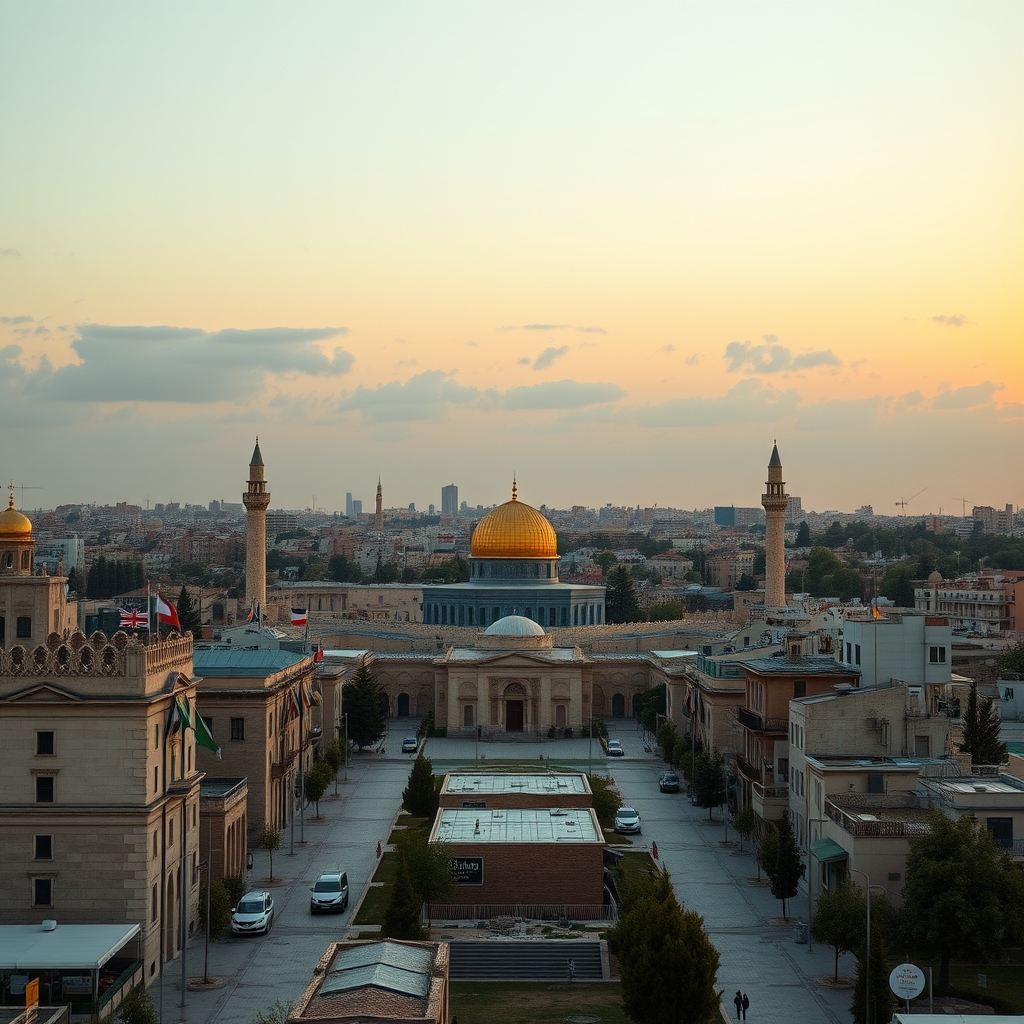
A Palestinian-Israeli memoir seeks to break the cycle of violence through a unique narrative approach.
The full report
The Israel-Palestine conflict has been marked by unimaginable violence, particularly since the Hamas attacks of October 7, 2023. However, the understanding of these events is not universal, with each person exposed to a particular set of narratives surrounding history, victimhood, and trauma.
According to a scholar of the Middle East, the majority of news reports, social media posts, videos, and books covering the events since October 7, 2023 can be defined as 'conflict media', which reproduces the divisions of the conflict and perpetuates it.
In contrast, 'resolution media' seeks to break the cycle of violence by highlighting the universal suffering of war. Examples of resolution media include Wilfred Owen's poem 'Dulce et Decorum Est' and the 2025 Palestinian-Israeli documentary 'No Other Land', which won an Oscar.
The 2026 book 'The Future Is Peace' by Aziz Abu Sarah, a Palestinian, and Maoz Inon, an Israeli, offers another striking example of resolution media. The authors' backgrounds are not just a detail, as both have lost family members to violence, but instead of using those losses to justify vengeance, they tell two stories simultaneously.
The Norwegian sociologist Johan Galtung developed a distinction between 'war journalism' and 'peace journalism' in the 1970s, lamenting that the latter was all but non-existent. However, with the changing media environment, this distinction can be broadened into 'conflict media' and 'resolution media'.
This report presents the named publisher’s account and has not yet been independently corroborated.
Continue reading
Business desk ↗
Police officer shot in Nottingham city centre
Police officer shot in Nottingham city centre, investigation underway
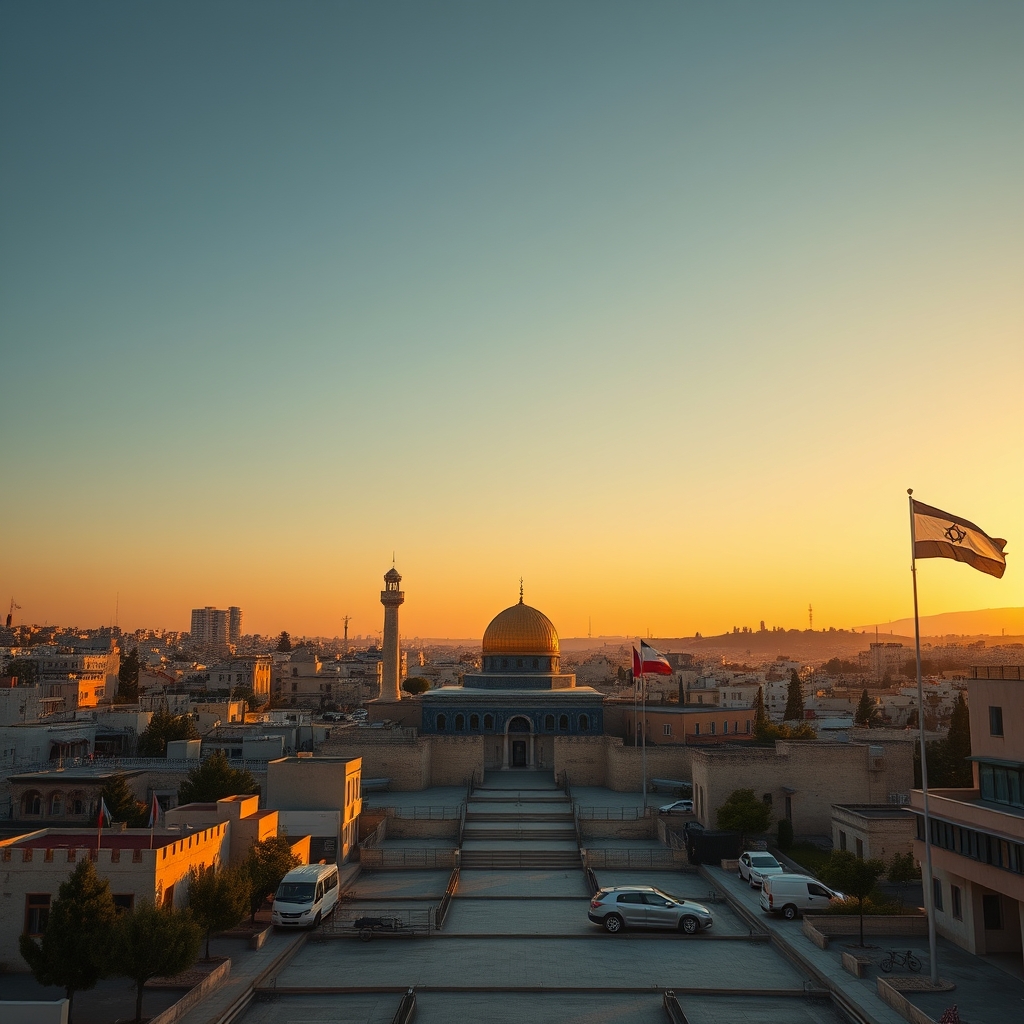
WATCH Israeli settlers attack European diplomats in West Bank
Israeli settlers attack European diplomats in West Bank
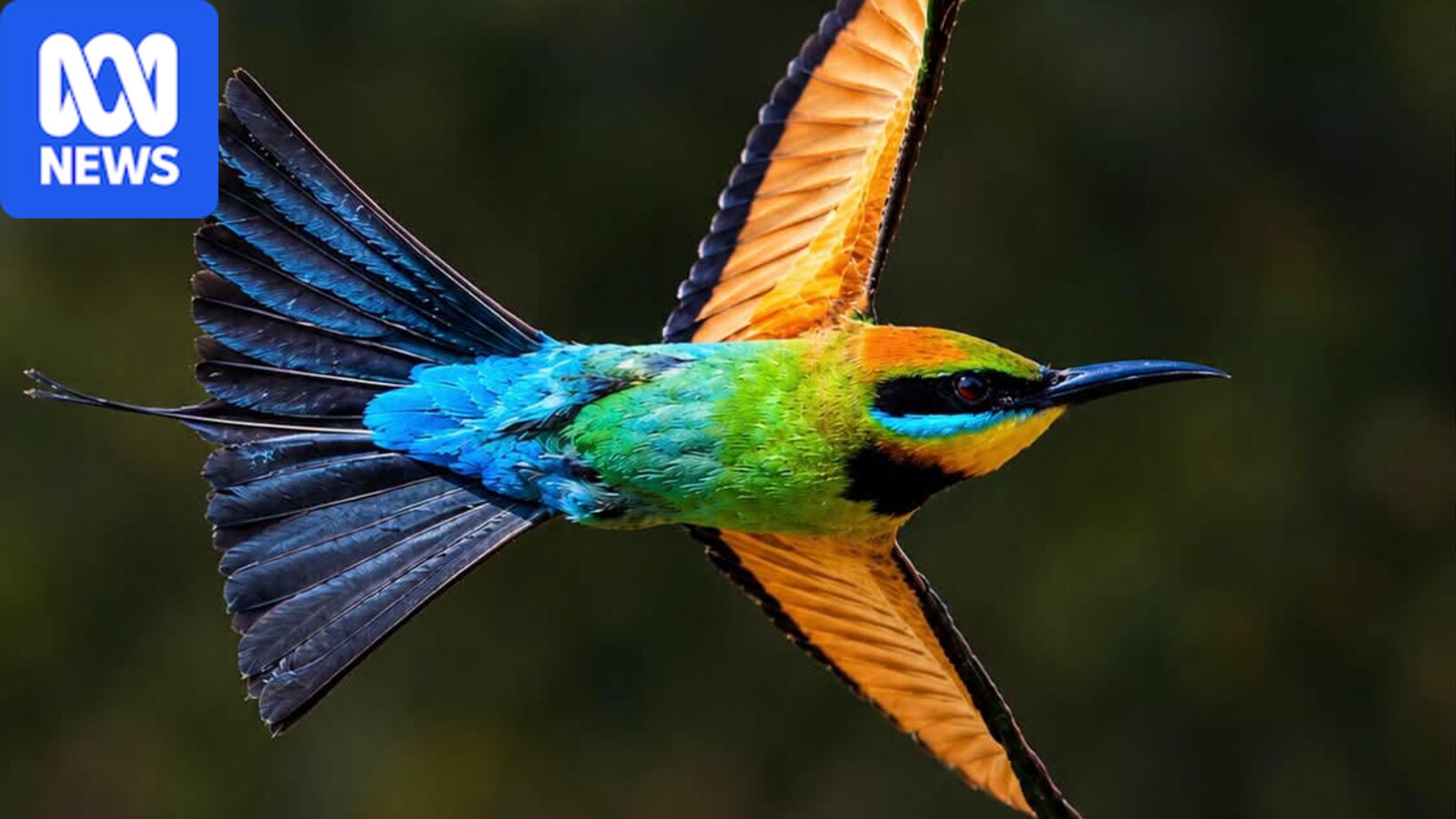
Stunning photos demonstrate why Darwin is known as the 'city of birds'
Darwin's unique environment and diverse bird species make it a haven for ornithologists and birdwatchers.