The Bundestag has debated the genocide Germany carried out in Namibia a century ago. But will it spur progress on addressing colonial crimes?
Germany's parliament debates the genocide it carried out in Namibia a century ago, but will it lead to progress on addressing colonial crimes?
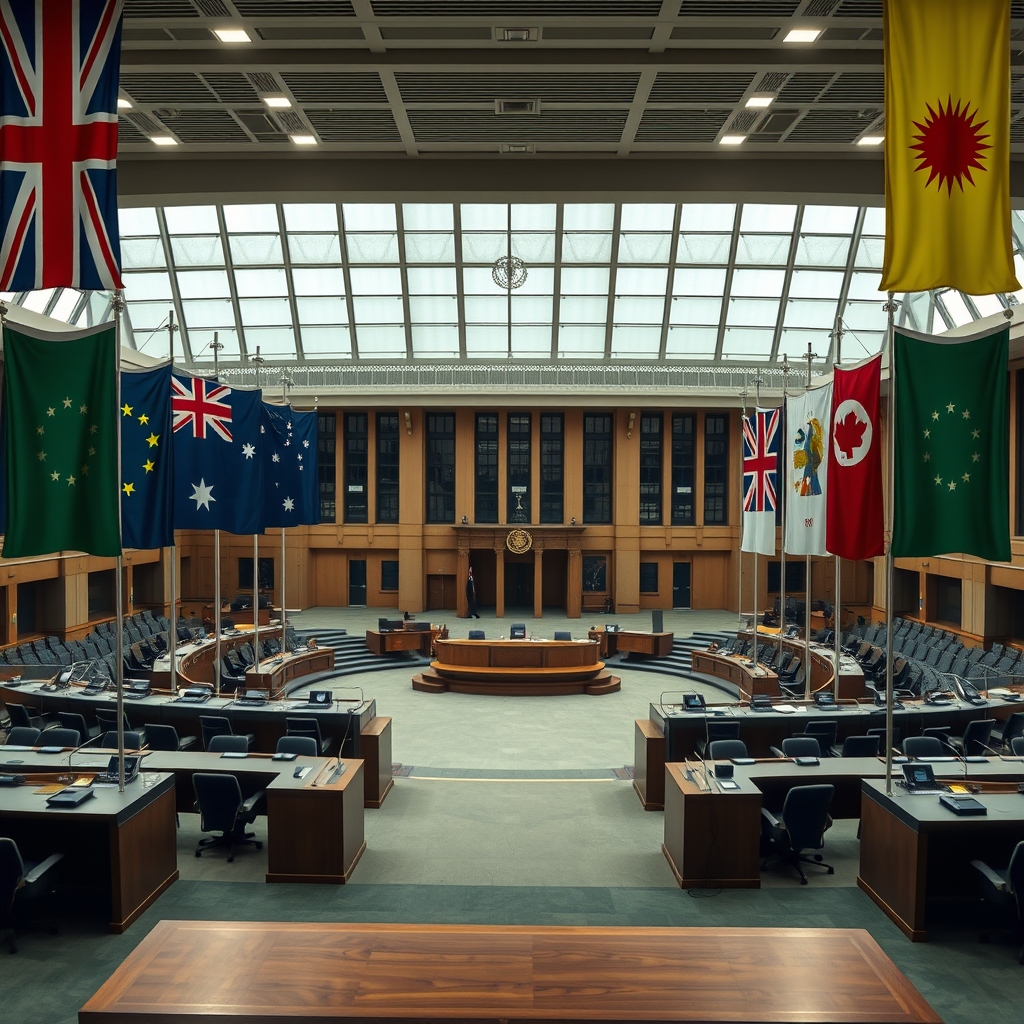
Germany's parliament debates the genocide it carried out in Namibia a century ago, but will it lead to progress on addressing colonial crimes?
The full report
The German parliament, the Bundestag, has debated the genocide Germany carried out in Namibia a century ago. The debate was initiated by opposition parties, who are pushing for progress in addressing colonial crimes.
Gaob Daniel Timotheus Frederick, a member of the Nama Traditional Leaders Association, attended the debate to demand an 'unconditioned apology' from Germany for the genocide. He was accompanied by Paramount Chief Mutjinde Katjiua, the head of the Ovaherero Traditional Authority, who called on the Bundestag to recognize the genocides committed against the Ovaherero and Nama peoples.
The evidence of the genocide is overwhelming. From 1904 to 1908, the German Empire waged a war of extermination against the Indigenous people of southwestern Africa, including the Ovaherero, the Nama, the Damara, and the San. At least 100,000 people were killed, and just as many displaced.
The German government has acknowledged that 'from today's perspective, [it] would be called genocide,' but there is no official apology or reconciliation agreement with Namibia. The government has been negotiating a joint declaration with Namibia, which pledges €1.1 billion in reconstruction aid over 30 years, but the head of the Ovaherero Traditional Authority has rejected this agreement, saying that development aid cannot substitute for comprehensive reparations.
Political scientist Andreas Mehler has described the government's plan as 'checkbook diplomacy,' and professor Jürgen Zimmerer has said that there is a financial calculation behind the government's reluctance to provide reparations. Zimmerer has also pointed out that the Bundestag has recognized other genocides, such as the Armenian genocide and the genocide against the Yazidis, but not the genocide against the Herero and Nama.
This report presents the named publisher’s account and has not yet been independently corroborated.
Continue reading
Politics desk ↗
Rival policies set motorists up for road-toll cap win
Rival policies set motorists up for road-toll cap win
India news: CJP founder released a day after detention
India news: CJP founder released after detention
France tackles new wave of nationwide protests
Nationwide protests in France turn violent as police and protesters clash over high prices and social inequalities.