
XPRIZE Foundation Concludes Four-Year Wildfire Technology Competition
The nonprofit organization has completed its multi-million-dollar challenge focused on satellite detection and autonomous suppression of destructive wildfires.

The nonprofit organization has completed its multi-million-dollar challenge focused on satellite detection and autonomous suppression of destructive wildfires.
The story
The nonprofit XPRIZE Foundation has concluded its four-year, $11 million competition designed to identify and advance innovative technologies for detecting and mitigating destructive wildfires. Launched in 2023, the challenge focused on addressing the increasing severity and year-round nature of wildfire seasons observed globally in recent years.
Andrea Santy, executive director of the foundation's wildfire program, stated in an interview with Mongabay that the initiative was established to spur technological development in response to escalating wildfire threats. Fundraising for the program began around 2018 and 2019, with leadership drawing on insights from community experts to determine the most critical operational gaps.
The competition was divided into two distinct tracks: satellite-based detection and autonomous response. The space-based tracking portion required competing participants to identify small fires across a large landscape in Australia within a 10-minute timeframe. Meanwhile, the autonomous track evaluated teams on their ability to independently detect, navigate, and suppress a wildfire in rural Alaska within 10 minutes of ignition.
A closer look
According to Santy, while no single team captured the grand prize in either track, the multi-year process demonstrated significant technological advancement. The foundation is now entering a subsequent phase to collaborate with participating teams in translating their innovations into scalable, real-world deployment solutions.
Organizers noted that early detection and autonomous response emerged as essential game-changing elements through consultations with experts. The Los Angeles-based foundation developed the initiative as both a global necessity and a direct response to regional experiences with increasingly destructive fire seasons.
This report presents the named publisher’s account and has not yet been independently corroborated.
Continue reading
Environment desk ↗
Cardiff Artist Sets Record With Large-Scale Soil Artwork for Climate Campaign
A Cardiff-based artist has established a new record for the largest soil painting to support global campaigns focused on soil health and regeneration.
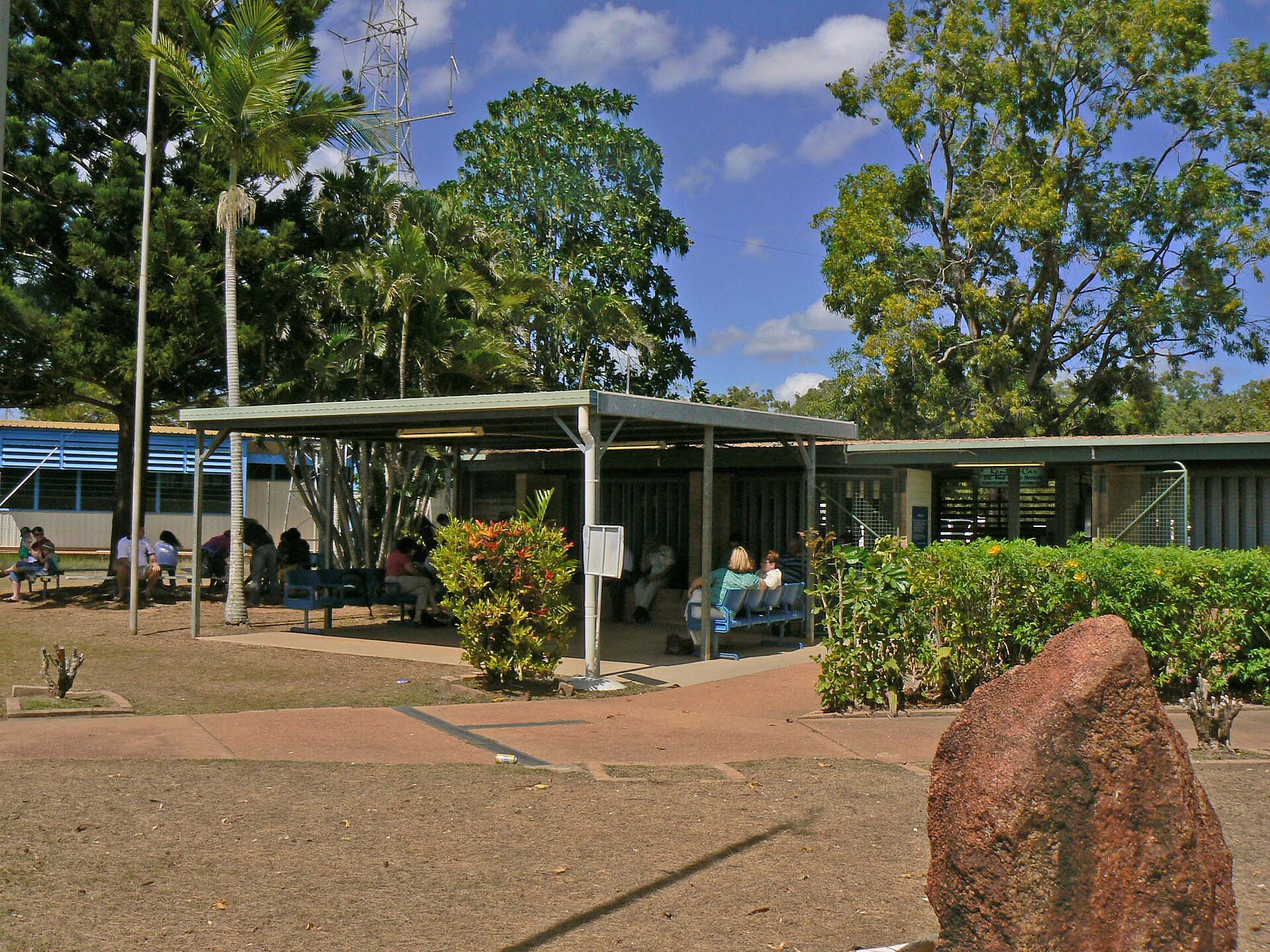
Prolonged Heatwave Persists in Far North Queensland While South-East Experiences Brief Storm Reprieve
Parts of Far North Queensland face an extended period of extreme heat while south-east regions enjoy a temporary pause in thunderstorm activity.
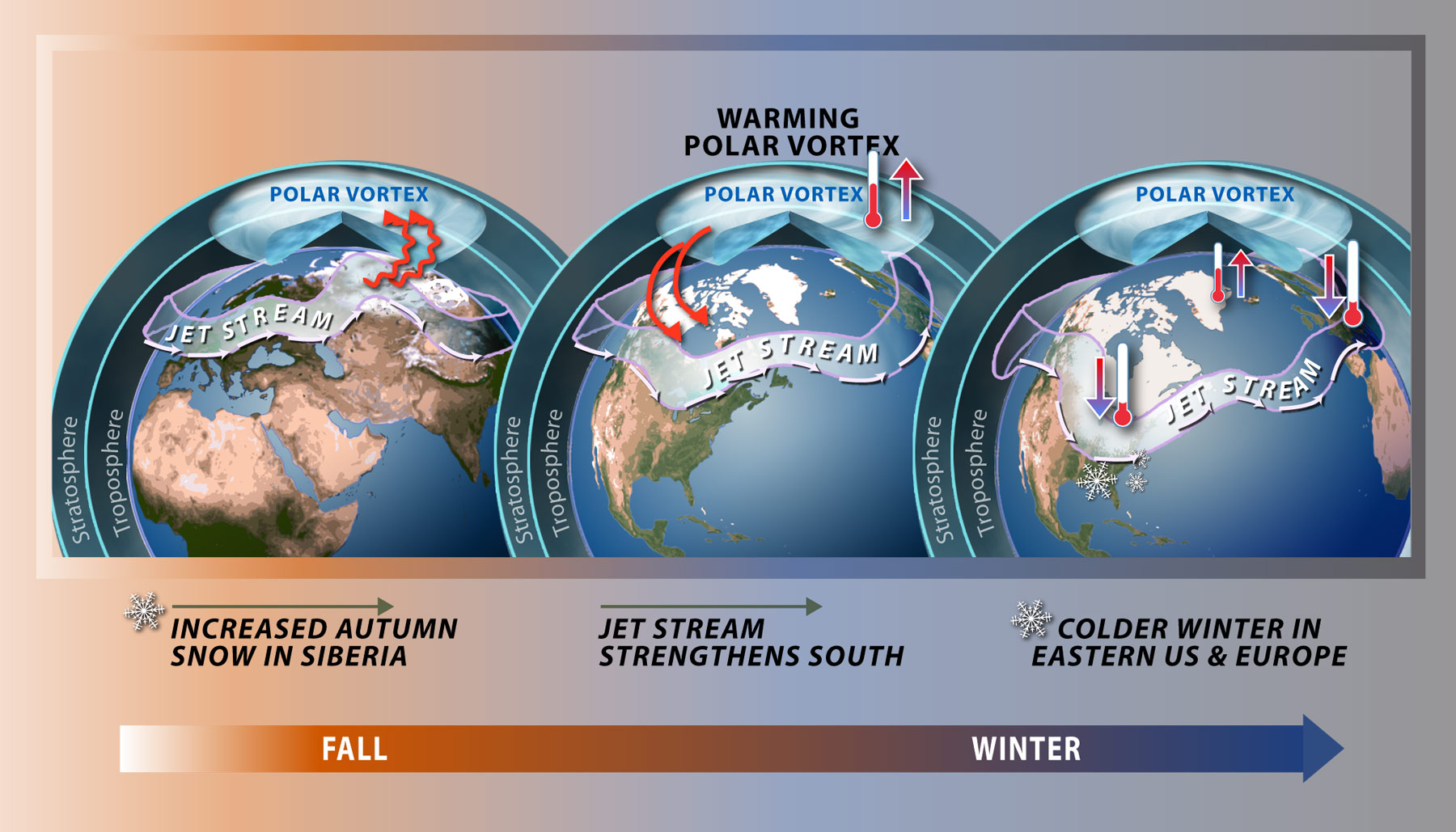
Unprecedented Early Weakening of the Polar Vortex Defies Historical Norms
Forecasters report an unusually early disruption of the polar vortex high above the Arctic, creating uncertainty for winter weather patterns across North America and Europe.