
Spanish Rail Survivors Call for Safety Overhauls Following Deadly Collisions
Survivors of Spain's major railway disasters are demanding increased investments in safety measures following a recent fatal collision near Toledo.
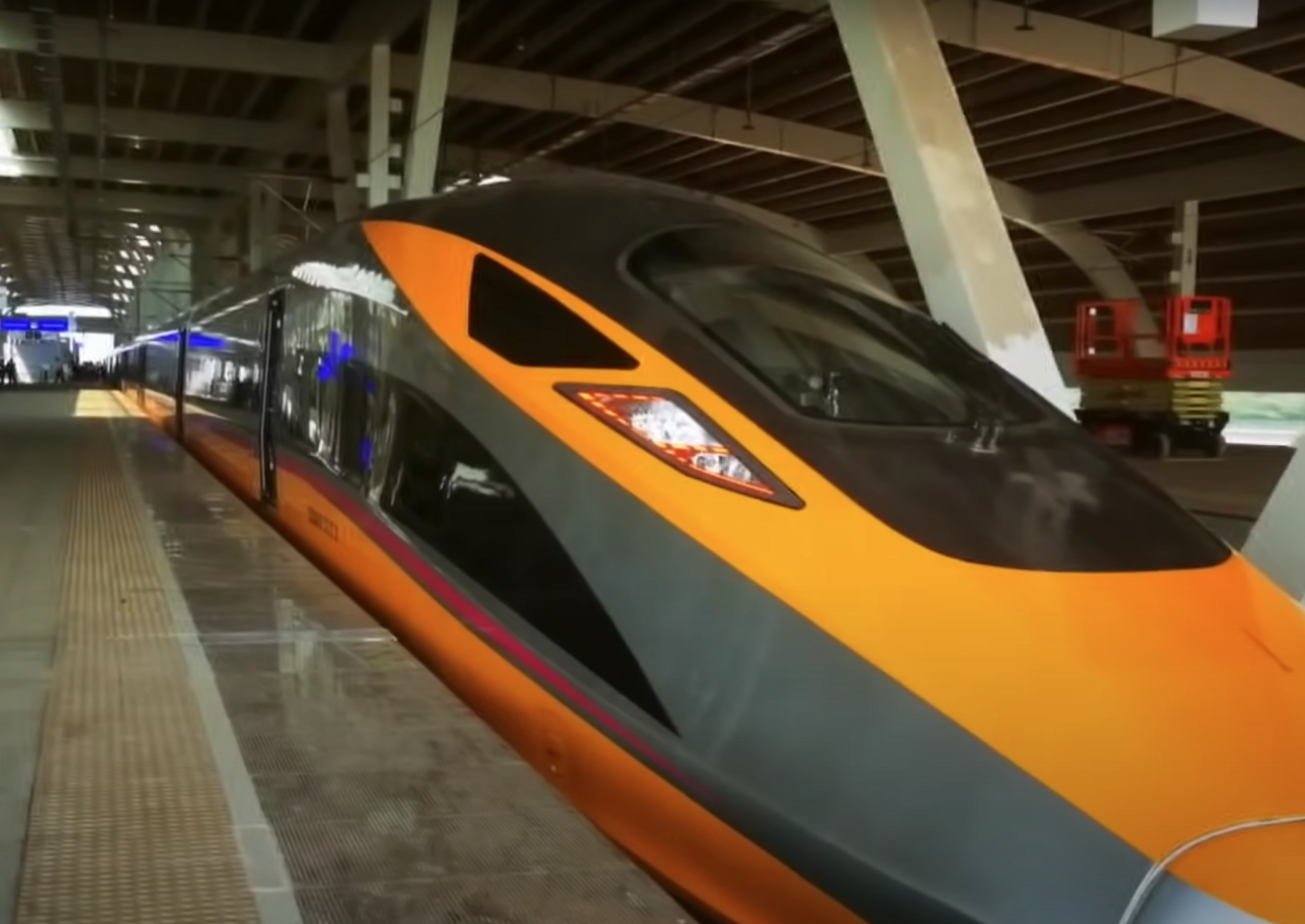
Survivors of Spain's major railway disasters are demanding increased investments in safety measures following a recent fatal collision near Toledo.
The story
Survivors of Spain's most severe rail disasters have called for urgent safety improvements following a deadly train collision near Urda, a town located close to Toledo in central Spain. The incident, which occurred on a Wednesday, resulted in at least 69 deaths when two trains collided.
This recent disaster follows two other major rail accidents in the country. Thirteen years prior, in 2013, a high-speed train derailed at Angrois near Santiago de Compostela in northwestern Spain, killing 80 people. Ten months before the Urda collision, another crash involving two trains occurred on the same line in Adamuz, near Cordoba in southern Spain, resulting in 46 fatalities.
Cristobal Gonzalez, a survivor of the 2013 Angrois derailment, stated that additional measures must be implemented to prevent future tragedies. Gonzalez sustained multiple injuries when his train left the tracks at 200 kilometres per hour instead of the scheduled 80 kilometres per hour, noting that accidents would continue without further investment in safety networks.
A closer look
Discussing the causes of the incidents, Gonzalez pointed to excessive speed in the Angrois derailment, a track problem identified by an investigation in the Adamuz crash, and potential human error combined with control system issues in the Urda collision. Gonzalez continues to experience post-traumatic stress and physical scars from the 2013 disaster, during which he assisted other passengers.
Santiago Rosendo, a passenger involved in the Adamuz collision in January, described the panic experienced during the accident when his Renfe train came to a sudden halt, moved from side to side, and slid onto its side in darkness. Expressing disbelief that another disaster occurred on the same line, Rosendo emphasized that immediate action is necessary.
Experts have similarly called for increased investment in high-speed rail networks as individuals affected by past crashes watch similar events recur.
This report presents the named publisher’s account and has not yet been independently corroborated.
Continue reading
Business desk ↗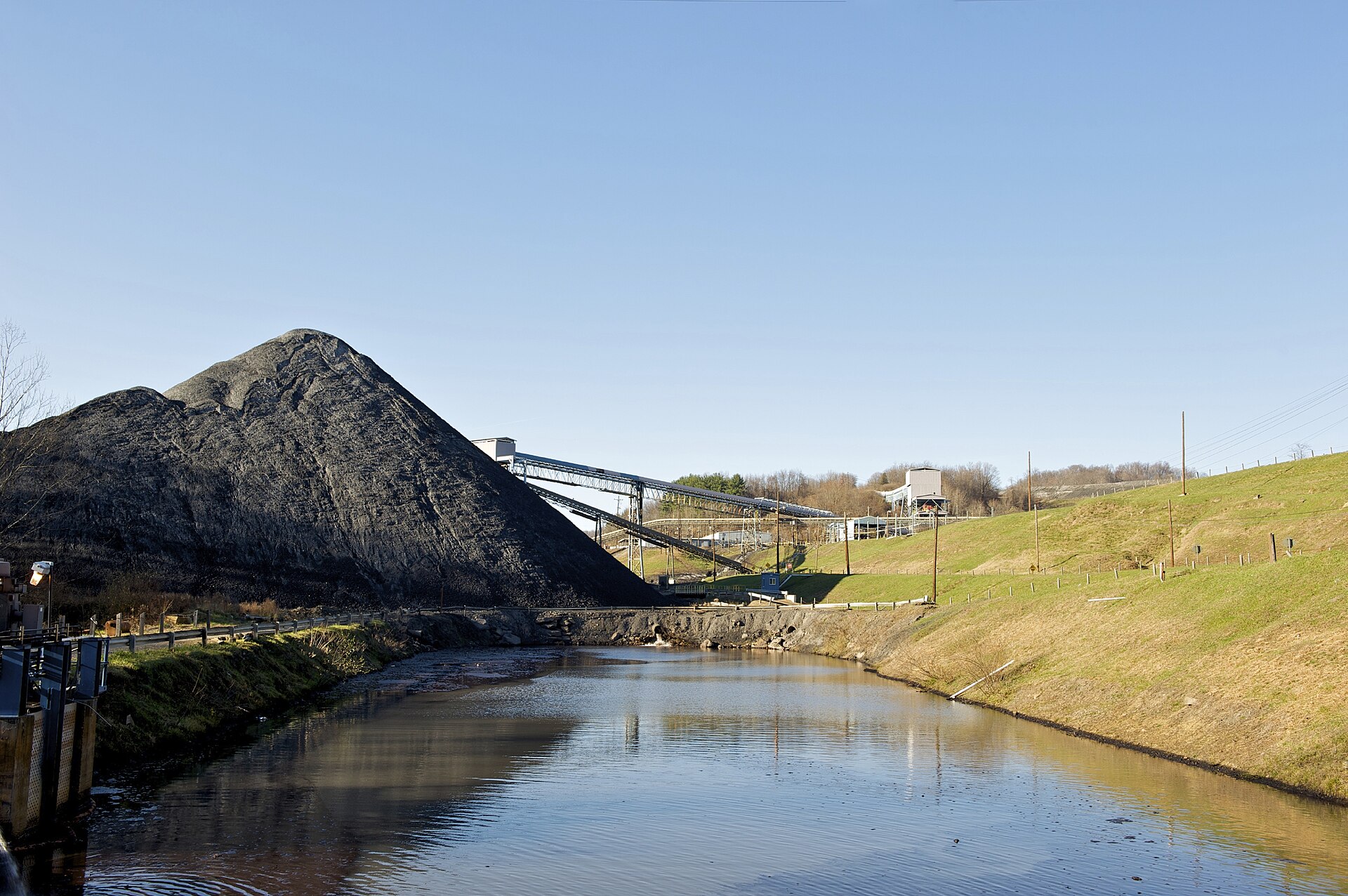
Queensland Land Court Clears Path for Winchester South Open-Cut Coal Project
Environmental groups have fallen short in their legal challenge against Whitehaven Coal's proposed open-cut mine in the Bowen Basin, though the court recommends specific conditions prior to construction.
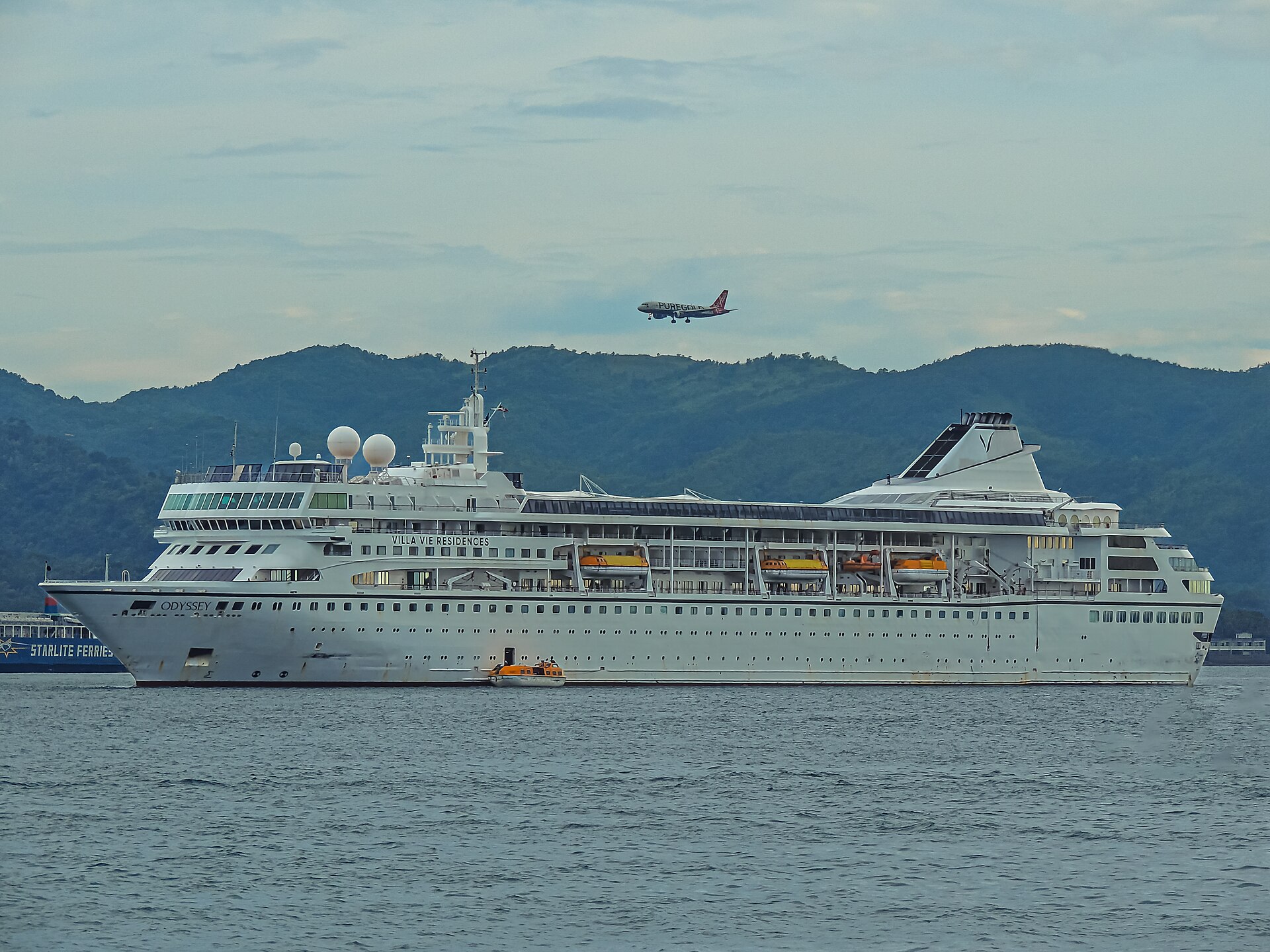
Residential cruise ship Villa Vie Odyssey halts journey in Cambodia amid soaring fuel costs
The floating residence was forced to stop after 25 months at sea when rising fuel prices drove the US‑based operator into financial distress, leaving five Australian passengers among 203 people to disembark in Sihanoukville.

Polymarket pauses international trading after third‑party security breach
The prediction‑market platform halted activity for roughly an hour following a security incident tied to a performance‑monitoring service and pledged to reimburse affected users.