Solutions to the risks posed by the global pet trade could be enacted quickly
Scientists say solutions to the risks posed by the global pet trade could be enacted quickly.
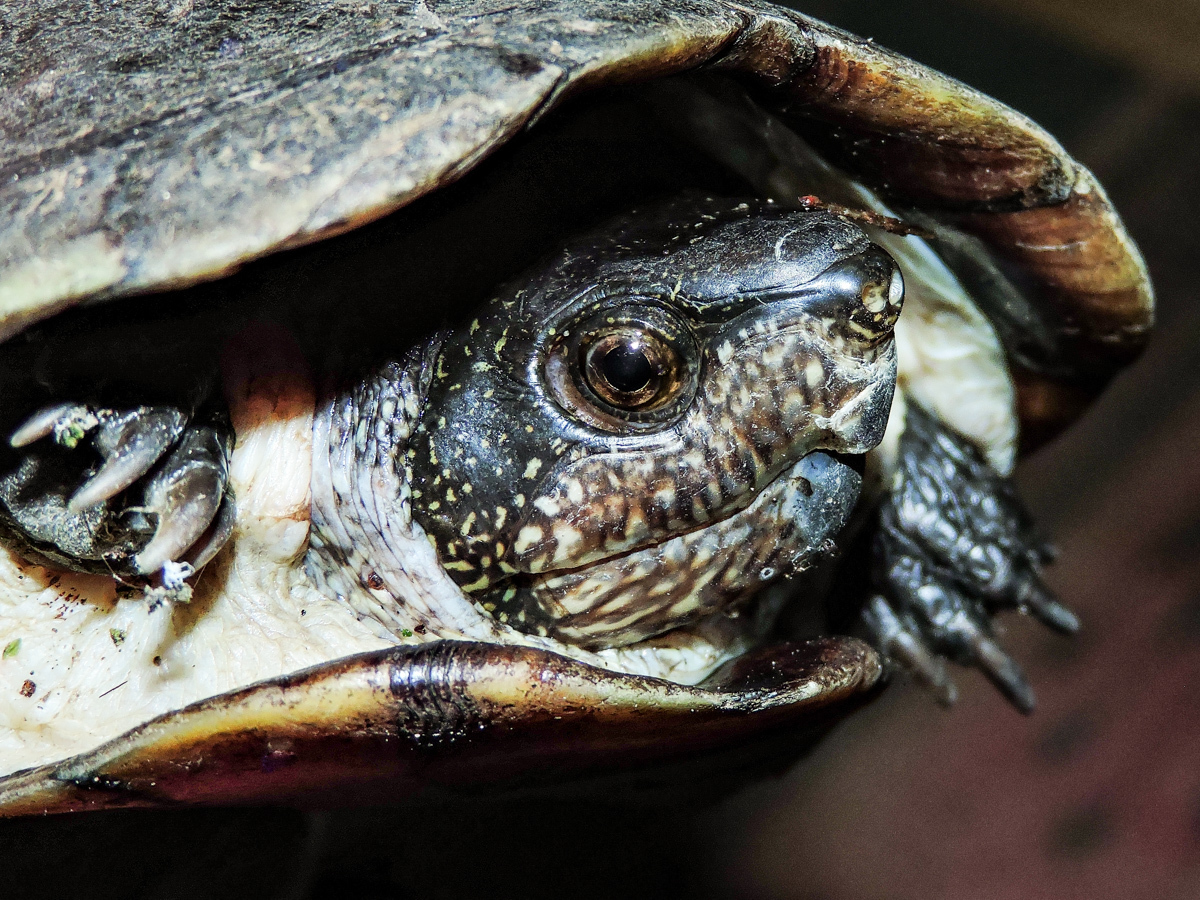
Scientists say solutions to the risks posed by the global pet trade could be enacted quickly.
The full report
The global pet trade, particularly in exotic reptiles and amphibians, poses significant biodiversity and potential human health risks, scientists say. According to a commentary published in the journal Nature, the international wildlife trade for pets, reptiles, amphibians, and other species is a massive experiment that could lead to the spread of diseases across the world.
Susan Lieberman, vice president for international policy at the Wildlife Conservation Society, and Sandra Altherr, co-founder and head of science at Pro Wildlife, have outlined solutions to these problems. They argue that the exotic pet trade could be regulated very quickly, and this risk could be reduced very quickly, if only governments would act on them.
The authors identify several legal gaps that world governments could close to address the issue. These include the fact that countries of origin have no or little legal recourse for species sold outside their borders, and that the CITES convention is often poor at taking a proactive approach to protect species before they become threatened.
Lieberman and Altherr suggest that solutions currently exist in the form of 'positive lists,' where nations accept only species approved for keeping as household pets, thereby prohibiting the import of any species not on that list. They also propose the use of the Lacey Act, a piece of U.S. legislation that makes it illegal to sell, trade, or import species that other countries have banned from export.
Later this month, the United Nations Convention against Transnational Organized Crime (UNTOC) will convene in Vienna, where Lieberman and Altherr say delegates will discuss a resolution to create stricter international laws that could potentially address these problems.
This report presents the named publisher’s account and has not yet been independently corroborated.
Continue reading
Politics desk ↗
Kimberly Guilfoye: US ambassador to Greece resigns amid misconduct allegations
US Ambassador to Greece Resigns Amid Misconduct Allegations
The Chicks review – exquisite harmonies and hard-won vindication in anniversary show
The Chicks celebrate their 20th anniversary of the album Taking the Long Way, revisiting their Iraq war protest and its aftermath.

Man City charges: Any political interference and I’ll quit, says regulator
Manchester City's appeal against a guilty verdict for breaching Premier League financial rules is ongoing, with the regulator's chair insisting on independence.