
Asia-Pacific Region Watches US Midterms Amid Economic Pressures
Governments and businesses across the Asia-Pacific are closely monitoring the United States midterm elections as they grapple with the impacts of regional conflicts and American trade policies.
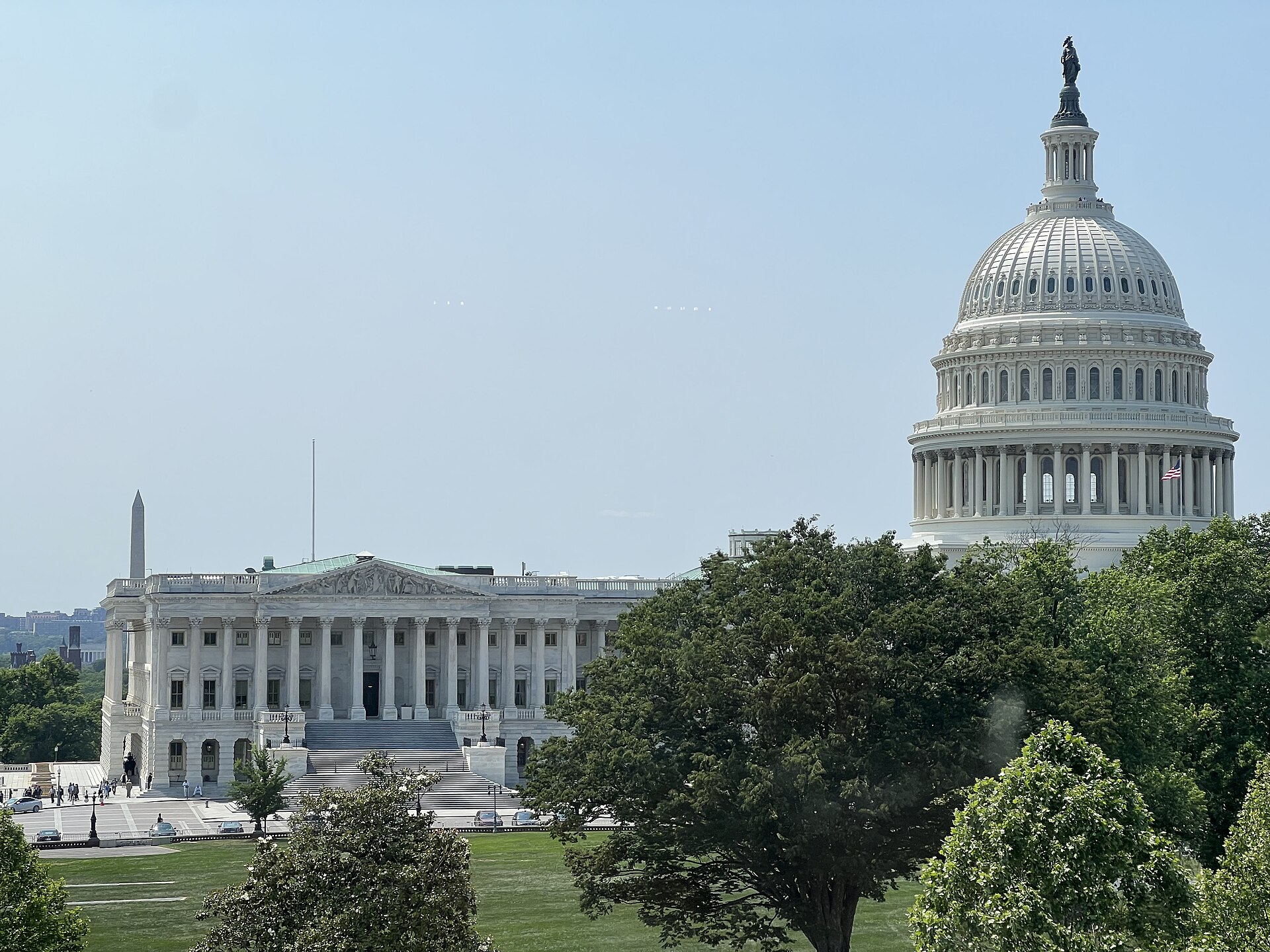
Governments and businesses across the Asia-Pacific are closely monitoring the United States midterm elections as they grapple with the impacts of regional conflicts and American trade policies.
The story
Voters across the United States are casting ballots in the midterm elections, which will determine control of the House of Representatives and a portion of the Senate. The Republican Party currently holds slim majorities in both chambers. Historically, the party holding the presidency typically loses ground during midterms, while the opposition party gains seats, creating the possibility of a divided government for the remainder of President Donald Trump's term.
Outside the Middle East, the Asia-Pacific region has experienced significant economic pressure from the ongoing war on Iran involving the United States and Israel. Following the closure of the Strait of Hormuz by Iran, the region faced severe energy shortages. Nations relying heavily on Gulf oil imports, such as the Philippines, have maintained national energy emergencies since March, while soaring fuel costs have strained foreign exchange reserves in economies including Cambodia, Laos, Myanmar, and East Timor.
Governments in Indonesia, Malaysia, Thailand, and Vietnam have allocated substantial funds toward fuel subsidies to protect consumers from rising prices, according to the Institute of Southeast Asian Studies-Yusof Ishak Institute. Although public opinion in the region is strongly opposed to the conflict, trade specialist and APAC Advisors chief executive Steven Okun noted that a Democratic-controlled Congress would likely be unable to force an end to the eight-month war, though it could pursue investigations, oversight hearings, and potential cabinet impeachments.
A closer look
While the United States Constitution grants Congress the power to declare war, President Trump has maintained that the military actions against Iran were conducted in self-defence and has bypassed congressional resolutions demanding withdrawal. Analysts suggest that even if Democrats secure control of Congress and attempt to restrict military operations or funding through legislation, overriding a presidential veto would require a two-thirds majority in both chambers, a threshold Democrats are not expected to reach.
Trade policies and tariffs have also heavily impacted Asia-Pacific economies. Following previous tariff implementations and subsequent legal challenges, the Trump administration introduced duties in July targeting 60 trading partners over allegations involving forced labour. The affected nations in Asia include China, Japan, South Korea, and seven Southeast Asian countries.
Despite the potential for political shifts in Washington, analysts interviewed by Al Jazeera indicate that a change in congressional control is unlikely to yield major modifications to United States foreign or trade policies. Observers note that while the elections serve as a crucial referendum on the administration's domestic standing, the practical impact on international trade restrictions and ongoing military engagements remains limited.
Read the source reports and compare their framing:
Continue reading
Defence desk ↗
United States Conducts Strike on Iran Ahead of Midterm Elections Amid Ongoing Conflict
The United States carried out a strike on Qeshm Island following an incident involving a U.S. aircraft, as voters prepare to cast ballots in midterm elections.

United States Conducts Reported Strikes on Qeshm Island Amid Ongoing Diplomatic Negotiations
The United States has reportedly carried out limited strikes on Iran's Qeshm Island, occurring alongside ongoing diplomatic negotiations and the US midterm elections.

North Korea Denies Involvement in Record Cryptocurrency Heist as Binance Customers Withdraw Billions
Pyongyang has rejected FBI accusations linking it to a multibillion-dollar theft from the Binance exchange, describing the claims as political provocation while platform users pull out funds.