Race to stop rice-sized bee from a silent extinction
Researchers say a tiny masked bee found in Fiji may have suffered a severe historical decline soon after its formal description.
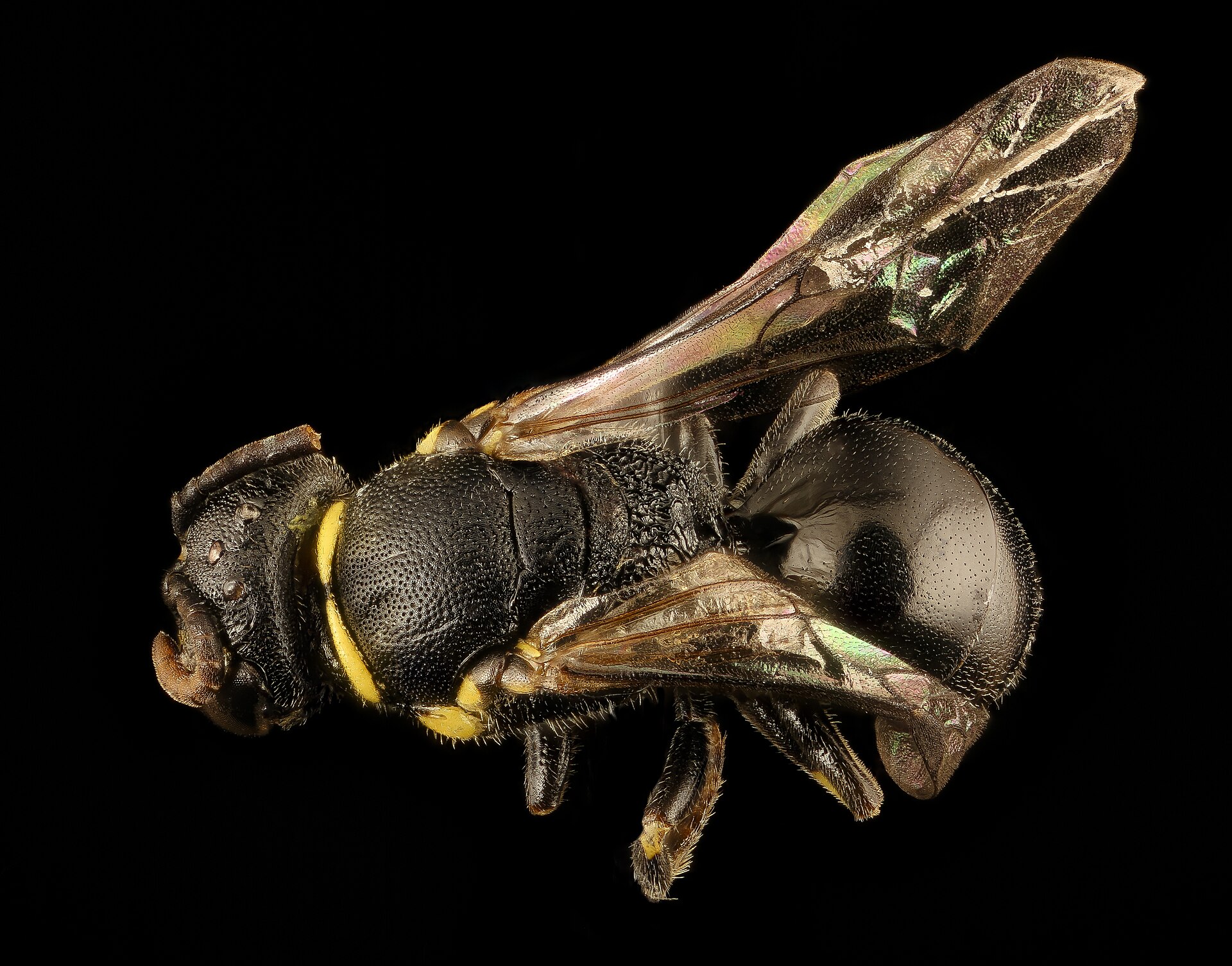
Researchers say a tiny masked bee found in Fiji may have suffered a severe historical decline soon after its formal description.
The full report
A masked bee from Fiji that scientists formally described only in 2024 may already be close to extinction. Researchers estimate the population of Hylaeus navai has fallen by about 99 per cent over roughly 150 years, according to findings reported by ABC News and published in the journal Ecology and Evolution. That estimate comes from scientific analysis rather than a direct historical count of individual bees, an important distinction for a small insect that is difficult to find in the field.
University of Wollongong researchers Tegan Edwards and James Dorey have searched for the bee in Fiji. Dorey first found one specimen in 2016 and located more on later visits. The species is smaller than a grain of rice, making routine observation difficult. Genetic evidence helped the team infer how its numbers may have changed. The researchers say it should be considered critically endangered, but formal conservation classification is a separate process.
The scientists identified several possible pressures, including habitat destruction, pesticide use and cyclones. They also raised concern about an introduced flowering tree whose nectar may be harmful to some bees. These factors are presented as potential contributors; the available report does not establish a single cause for the estimated decline. The work highlights how easily a little-studied insect can be overlooked while its habitat changes.
Researchers want more local scientific work across Pacific islands to establish what species are present and how they are faring. Better surveys could improve conservation decisions, but they cannot retrospectively produce a direct population count for the past century. This account follows ABC News's reporting of the study and keeps the researchers' estimate clearly attributed.
Reporting status
This original NewNWS report was drafted from the cited source material and passed a second evidence check. Claims that remain the account of one publisher are attributed in the source disclosure below.
This automated report presents the named publisher’s account and has not yet been independently corroborated.
Continue reading
Environment desk ↗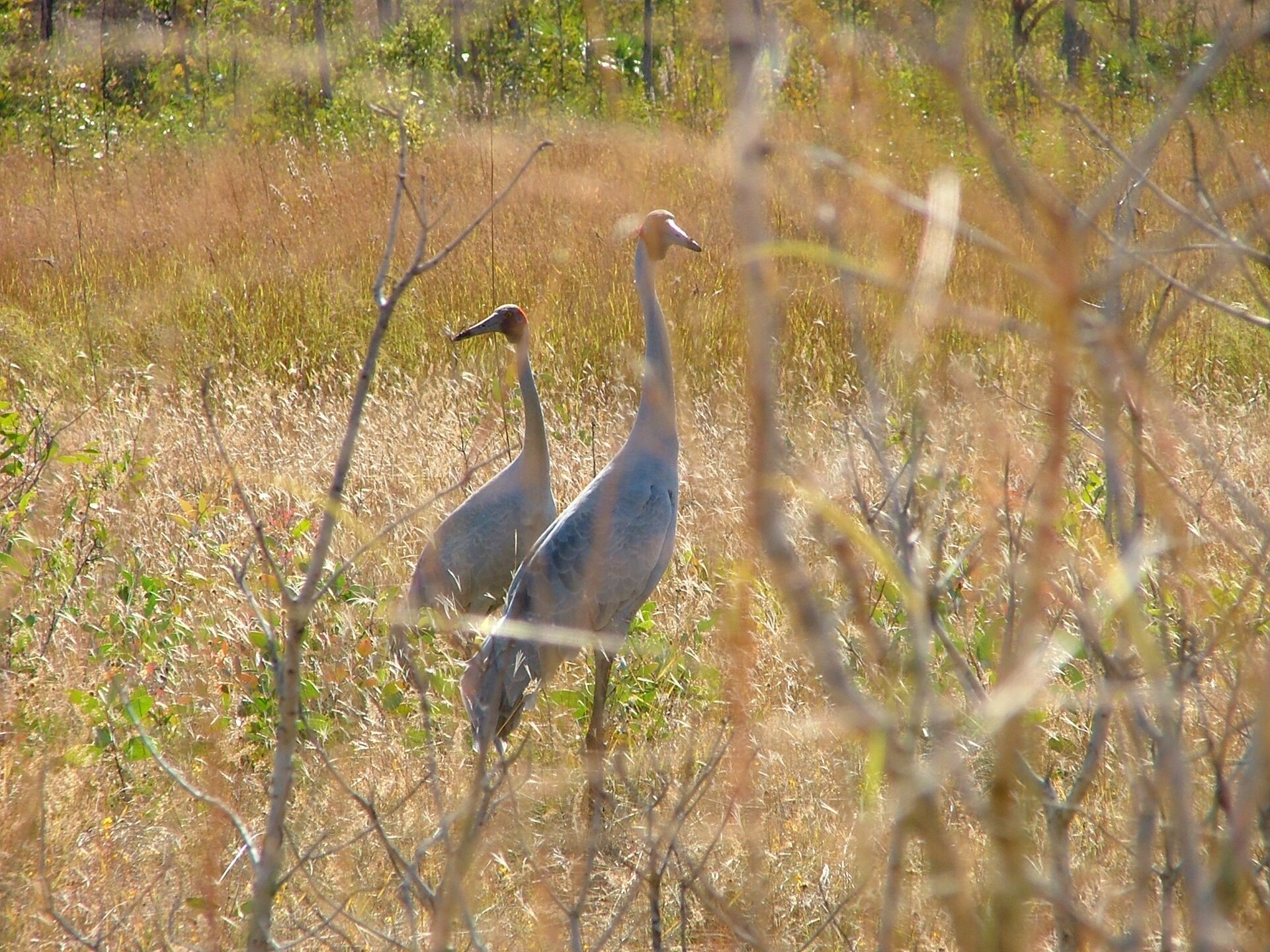
Drying wetlands create genetic risk for southern Australia's brolgas
A genetic study has found Victorian brolgas are increasingly distinct from northern birds as wetland loss narrows their habitat.
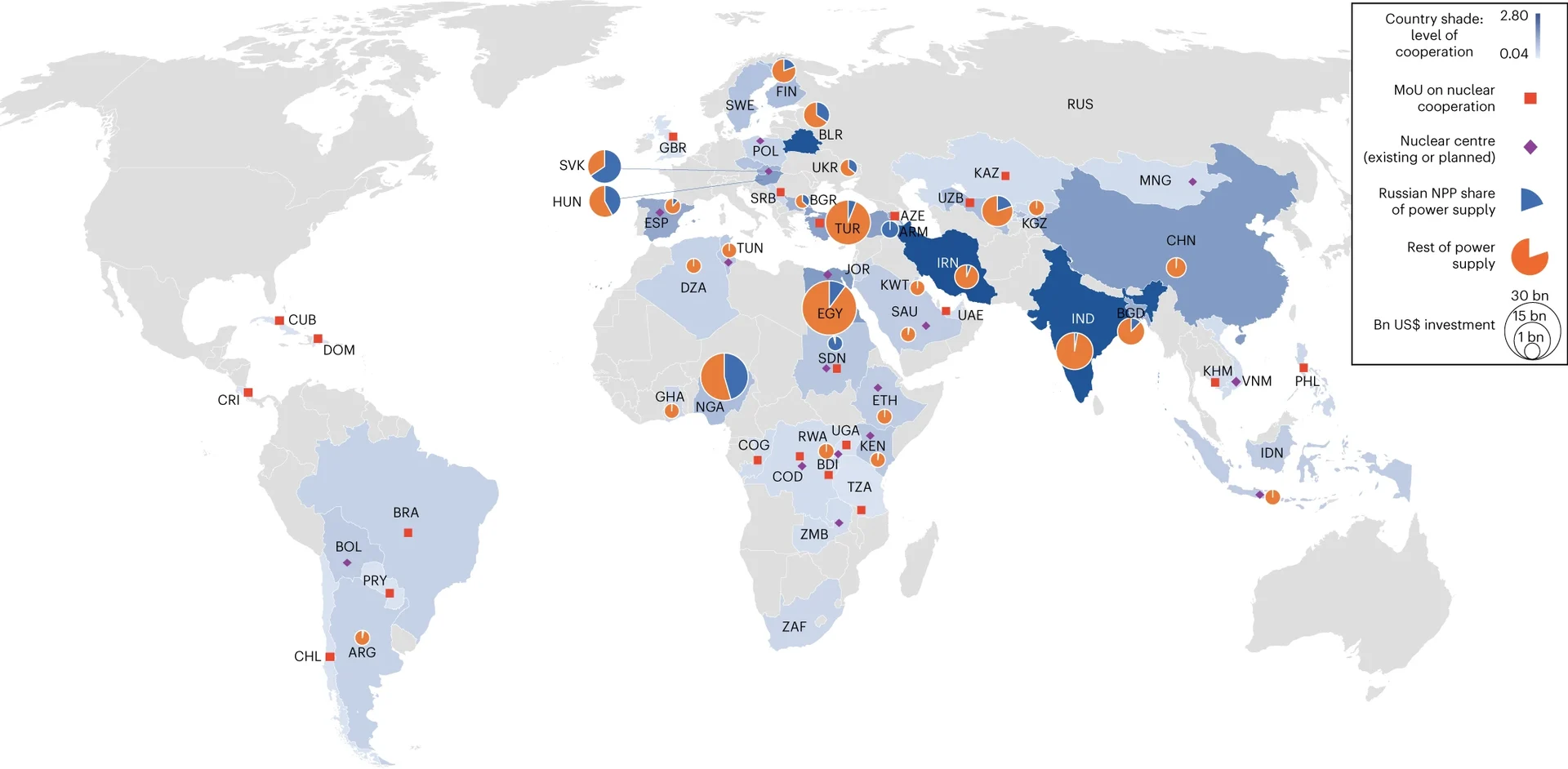
Russia’s Rosatom announces date of Bangladesh nuclear plant start
Russia's Rosatom announces start date for Bangladesh nuclear plant