
Evacuation corridor opens for residents departing occupied Oleshky
An evacuation convoy begins operating in the frontline Ukrainian city of Oleshky following a ceasefire brokered in the Kherson region.
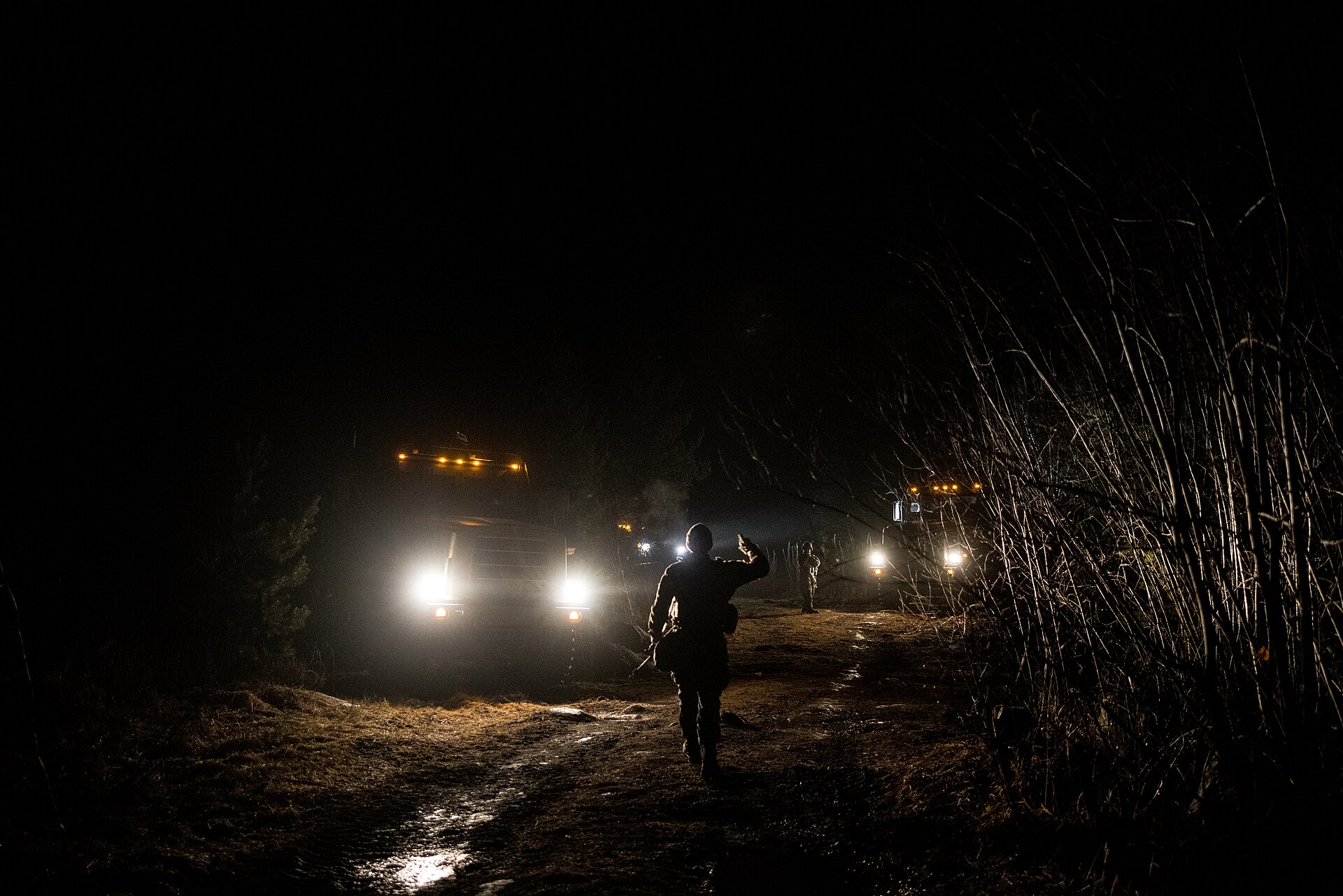
An evacuation convoy begins operating in the frontline Ukrainian city of Oleshky following a ceasefire brokered in the Kherson region.
The story
Evacuations are underway in the Russian-occupied Ukrainian city of Oleshky after authorities from both sides confirmed a limited departure window. A ceasefire brokered by US First Lady Melania Trump took effect on Tuesday across the frontline Kherson region, enabling sappers to demine the exit route from the town.
Residents wishing to evacuate were provided a four-hour window utilising a convoy of 25 buses designed to accommodate up to 750 people, alongside ambulances designated for individuals with limited mobility. Several hundred residents have chosen to remain in Oleshky despite widespread devastation and ongoing disruptions to basic utilities, including gas, electricity, and running water.
Ukraine's human rights ombudsman Dmytro Lubinets and his Russian counterpart Yana Lantratova travelled to Oleshky together. Lantratova stated on social media that residents were given the opportunity to separate into two groups depending on whether they preferred relocation to Russian-controlled territory or to Ukraine. Lubinets noted that while many chose to stay of their own accord, efforts would continue to ensure humanitarian aid reaches them.
Evacuees travelling out of the city face a multi-stage transit route.
Evacuees travelling out of the city face a multi-stage transit route. After initially travelling into Russian-occupied territory and onward to the southern Russian city of Anapa, they are scheduled to board a Russian government aircraft to Gomel in Belarus, before crossing the border by vehicle into Ukraine's Chernihiv region. Other individuals are expected to remain within Russian-occupied areas.
Russian authorities stated on Thursday that dozens of tonnes of humanitarian aid had been prepared for residents opting to stay behind. The supplies include food, medicine, hygiene products, and fuel intended for generators.
Continue reading
Politics desk ↗
UK Home Office Bars Climate Scholar Andreas Malm From Entry
Swedish author and academic Andreas Malm has had his electronic travel authorisation cancelled ahead of a scheduled speaking engagement in London.
Arunachal Pradesh Police Seek Search Warrants Against Journalist and Activists Following Dam Protests
Media organisations have raised concerns over press freedom after Arunachal Pradesh Police sought search warrants against The Arunachal Times deputy editor Tongam Rina and three others following protests against the Upper Siang dam project.

UK Government Pledges High Street Revival Prior to Next Election
Housing Secretary Angela Rayner asserts that voters will notice improvements in local shopping districts ahead of the upcoming general election.