
American Parents Accelerate MMR Vaccinations Amid Rising Measles Infections
Confirmed measles cases in the United States have doubled compared with the previous year, prompting families and physicians to schedule second vaccine doses earlier.

Confirmed measles cases in the United States have doubled compared with the previous year, prompting families and physicians to schedule second vaccine doses earlier.
The story
Confirmed measles cases across the United States have accelerated, reaching double the number recorded in the previous year. In response to the growing infection numbers, more parents are choosing to administer the second dose of the measles, mumps and rubella (MMR) vaccine earlier than the standard schedule.
The US Centers for Disease Control and Prevention typically recommends the first MMR shot after a child turns one year old, with the second dose given between the ages of four and six. However, the second dose can legally be given as soon as four weeks after the initial injection. This accelerated timeline aligns with recommendations in several other nations, including Germany, the United Kingdom and France.
Seattle naturopathic physician and vaccine advocate Elias Kass noted that an increasing number of parents are asking about early vaccination. Kass stated that he began recommending the combined MMRV shot at 15 months of age when measles cases started rising several years prior, noting that parents feel there is no reason to wait given current outbreaks.
A closer look
Chicago mother Margot Taylor adjusted the vaccination timelines for her three children due to the escalating cases. While her oldest child received doses at ages one and four, her second child received the second shot at age two during a Chicago outbreak. Her third child received the second dose just three months after the first birthday in June.
While Taylor initially worried that earlier doses might be less effective, medical evidence indicates the vaccines remain effective when administered earlier. The conventional four-to-six-year window for the second dose is primarily based on logistical factors, ensuring children complete their vaccinations before entering kindergarten and reducing the number of clinical visits.
International health authorities have adapted their schedules in response to past outbreaks. Germany maintained guidelines similar to the US until an outbreak prompted policy adjustments, eventually recommending the second dose four weeks after the first by 2020.
This report presents the named publisher’s account and has not yet been independently corroborated.
Continue reading
World desk ↗
Police Scotland examining visits by Andrew Mountbatten-Windsor and Jeffrey Epstein to Balmoral
Law enforcement officials confirm inquiries are at an early stage following information received regarding stays at the Scottish estate.
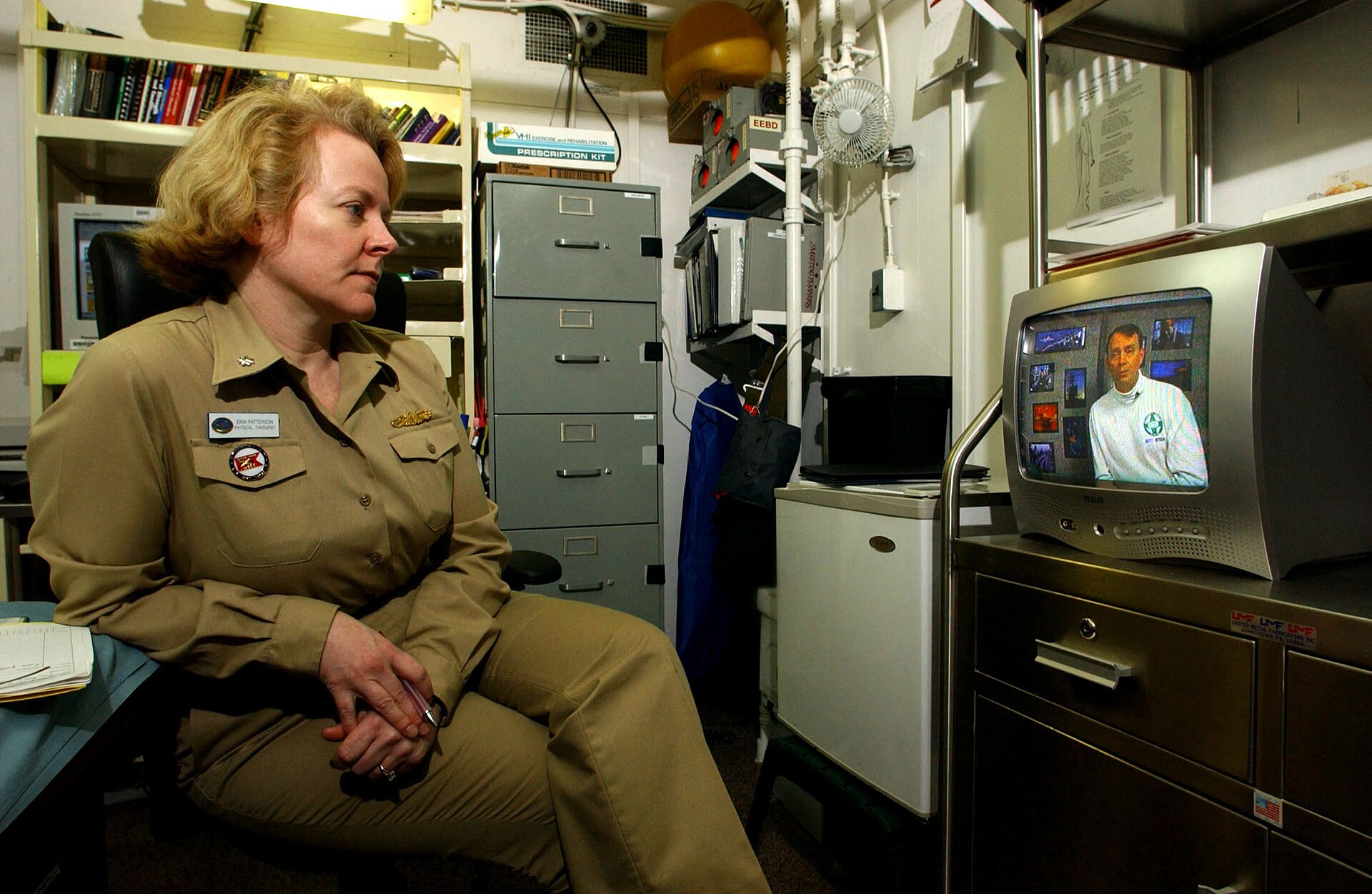
Victoria's Supreme Court Rejects Appeal by Convicted Mushroom Poisoner
The Court of Appeal dismissed Erin Patterson's bid to overturn her murder convictions and upheld the Director of Public Prosecutions' challenge to her non‑parole period, meaning she will remain in prison for life.

Philippine Authorities Secure Warrant to Inspect Devices Linked to Thomas Markle Sr
Law enforcement officers in Cebu have obtained judicial approval to examine computers, phones, and storage media handed over by Thomas Markle Jr.